What to do after a drone crash, a step-by-step guide
A calm, practical procedure for after a drone crash: securing the site, inspecting for damage, checking the battery and deciding when to fly again.
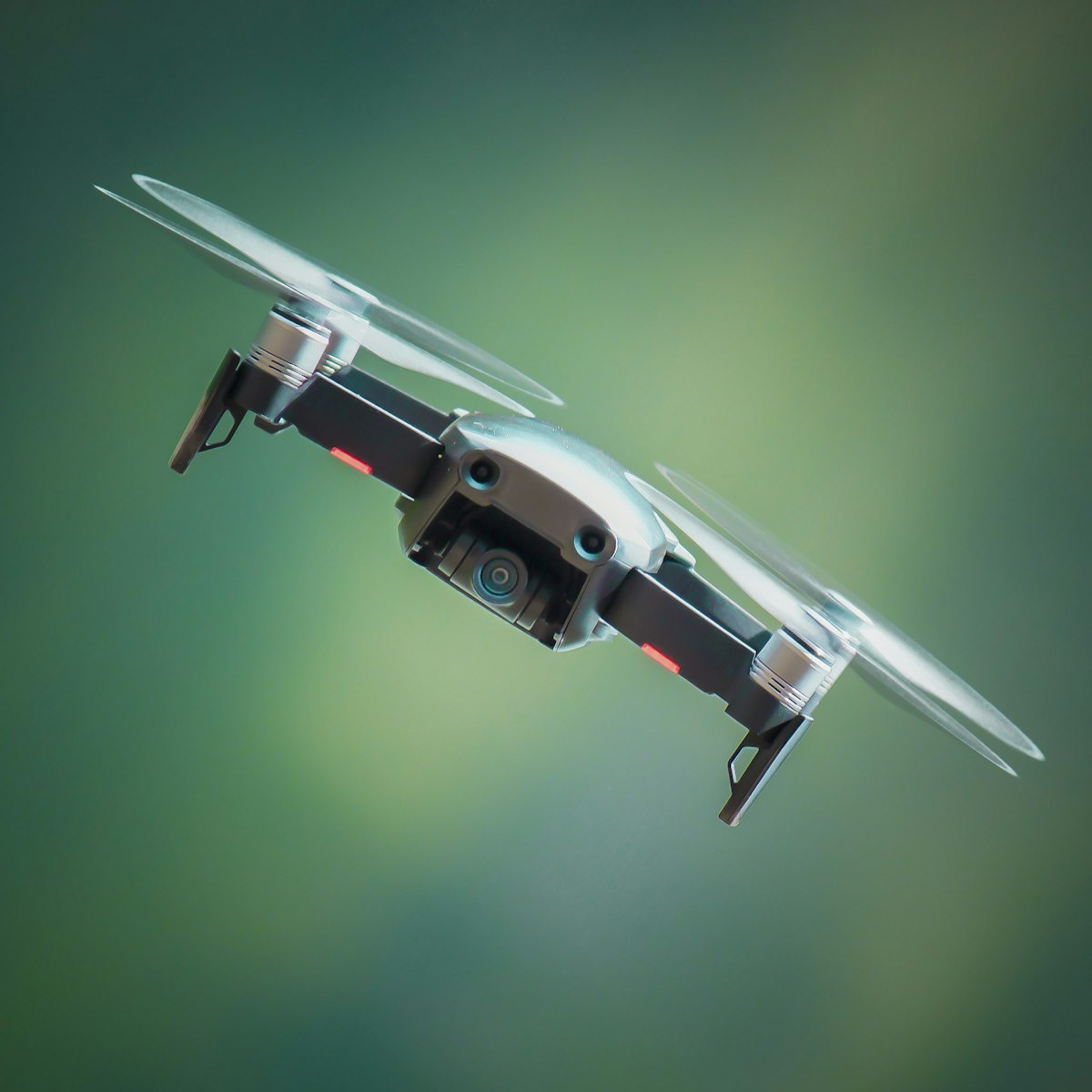
After a crash, power the drone down, secure the area, and inspect it carefully before even thinking about flying again. Rushing back into the air on a damaged drone or a compromised battery is how a minor crash becomes a serious one.
Crashes happen to every pilot eventually, from a clipped branch to a full drop. What matters is handling the aftermath methodically. This guide walks through the steps in order, from the moment of impact to the decision about your next flight.
What should you do in the first minute?
Cut the motors, keep people away, and if the battery is smoking or hot, treat it as a fire risk and stay clear. Your first priority is safety, not saving the flight or the footage.
Immediate actions:
- Stop the motors so a stuck propeller does not injure anyone or damage the drone further.
- Note the location if the drone is out of reach, using its last known position on the map before the signal is lost.
- Approach carefully. Blades can spin unexpectedly, so power the drone off fully before you handle it.
- Watch the battery. If it is hissing, swelling, hot or smoking, keep back and treat it as a lithium fire hazard. Move people away and do not pick it up.
Only once the scene is safe and the drone is powered off should you begin to assess the damage.
How do you inspect the drone for damage?
Work from the outside in, checking propellers, arms, motors, the gimbal and the battery, looking for cracks, bends and anything loose. Small damage in the wrong place makes the drone unsafe to fly even if it powers on normally.
Inspection checklist:
- Propellers for chips, cracks or bends. Replace any damaged prop before flying, and never straighten a bent one.
- Arms and airframe for cracks or flex. A cracked arm can fail under motor load.
- Motors for grit, bent shafts or resistance when you spin them by hand. They should turn freely and smoothly.
- Gimbal and camera for bent parts, a stuck axis or a scratched lens.
- Battery for dents, punctures, swelling or a chemical smell. Any of these means retire it.
- Landing gear and sensors for damage that could affect stability or obstacle detection.
Take your time. Damage that is easy to miss on a quick glance is exactly what causes a second crash.
How do you check the battery after impact?
Inspect it for physical damage, then isolate it and watch it for a while, because impact damage can trigger a failure minutes or hours later. The battery is the most dangerous part after any hard hit.
After a crash:
- Remove the battery once the drone is safe and inspect it closely.
- If you see swelling, dents, punctures or smell anything chemical, retire the pack. Do not charge or fly it.
- Place a suspect pack in a fireproof container outdoors or in a well-ventilated space and observe it for at least 15 to 30 minutes.
- If it warms up, swells or vents, keep clear, because lithium fires are hard to extinguish.
- Dispose of any damaged pack at a battery recycling point, never in general waste.
When in doubt, replace the battery. A new pack costs far less than a fire.
When is it safe to fly the drone again?
Only after a clean inspection, fresh calibration, and a cautious low test flight over safe ground with no damage or warnings. If anything looks wrong or the drone behaves oddly, stop and seek a repair.
A careful return to the air:
- Confirm every component passed inspection and you have replaced any damaged parts.
- Run compass, IMU and gimbal calibration, since a crash often knocks these out.
- Check for firmware or sensor error messages in the app.
- Do a short, low hover over a soft, open area away from people, watching for drift, vibration or unusual sounds.
- If it flies clean at low level, gradually extend the test before trusting it with a real flight.
If the drone drifts, vibrates or throws warnings, land immediately and treat it as needing repair.
If you want to understand your responsibilities after an incident and when one must be reported, the guides and practice questions in the dronexamine trainer explain how the rules treat crashes and safety.
Do you need to report the crash?
You may need to report it if someone was injured, property was damaged, or the incident happened in controlled airspace, depending on your country’s rules. Reporting duties vary, so check the requirements that apply to you.
Consider reporting when:
- The crash caused injury or significant property damage.
- It happened in or near controlled airspace or an airport.
- Your national aviation authority (NAA) or insurer requires notification of incidents.
Rules differ across EASA states, so confirm your obligations with your NAA and read your insurance terms. Keep notes and photos of the incident in case you need them.
Common questions
My drone crashed but seems fine. Can I just keep flying? Not without inspecting it first. Impact damage to the battery, motors or airframe is often invisible at a glance. Run the full inspection and a cautious test flight before trusting it.
The drone landed in water. What now? Water and lithium batteries are a serious hazard. Power it off, remove the battery carefully and keep clear if it heats up. Water-damaged electronics often cannot be safely revived, so check your manufacturer’s guidance before any attempt.
Can I straighten a bent propeller instead of replacing it? No. A bent or cracked propeller is unbalanced and unsafe. Always replace damaged propellers rather than reusing them.
Should I recalibrate after every crash? Yes. A crash commonly disturbs the compass, IMU and gimbal. Recalibrate before your first flight back, and watch closely for drift or warnings.
Your next step
Keep a small kit ready for the aftermath: spare propellers, a fireproof battery container and a note of your inspection routine. After any crash, work through the steps in order rather than rushing back into the air. When you want to understand your reporting duties and how the rules treat incidents, the guides at dronexamine walk you through the operational side step by step.
Related articles
Common drone faults and how to fix them at home
The most common drone problems, from drift and toilet-bowling to no GPS lock and motor issues, with practical fixes you can try before a repair shop.
LiPo battery care for drones, storage and charging
How to store, charge and handle LiPo drone batteries safely. Concrete voltage numbers, storage tips and disposal advice to make packs last longer.
How drone gimbal stabilization works and how to keep it
Understand how a 3-axis drone gimbal keeps footage steady, what causes jitter and drift, and how to calibrate and protect it for smooth aerial video.