LiPo battery care for drones, storage and charging
How to store, charge and handle LiPo drone batteries safely. Concrete voltage numbers, storage tips and disposal advice to make packs last longer.
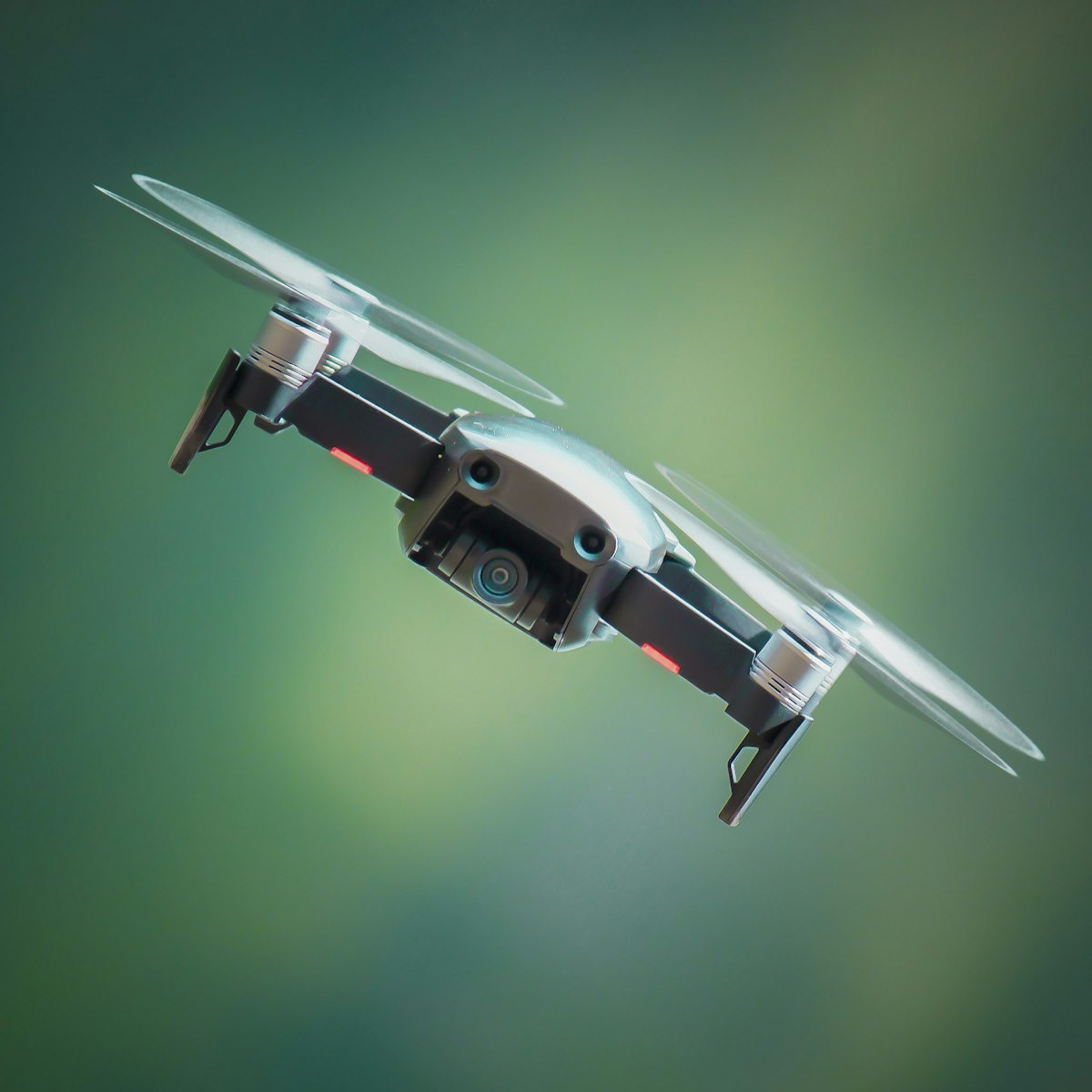
Store LiPo packs at roughly 3.8 volts per cell and never leave them fully charged for days. Good habits around charging temperature, storage voltage and physical handling do more to extend pack life than any single accessory you can buy.
Most consumer drones as of 2026 use lithium polymer (LiPo) or lithium-ion cells managed by a smart battery board. That board hides much of the complexity, but the chemistry underneath is unforgiving if you ignore it.
How should you store LiPo batteries?
Store them at storage voltage, which is about 3.8 to 3.85 volts per cell, in a cool dry place well below 25 degrees Celsius. A pack left at full charge (4.2 volts per cell) for weeks ages faster and can swell.
Many modern smart batteries do this for you. They self-discharge to storage voltage after a set idle period, often 3 to 10 days depending on the model. Check the interval in your app and confirm it is enabled, because a battery bag full of fully charged packs is the most common cause of premature swelling.
Practical storage rules:
- Keep charge between 40 and 60 percent for anything longer than a few days.
- Store in a fireproof container or LiPo safety bag, away from anything flammable.
- Avoid extremes. Heat above 40 degrees Celsius accelerates degradation, and freezing temperatures reduce capacity and can damage cells if you charge them cold.
- Never store a swollen, punctured or damaged pack indoors. Isolate it and dispose of it promptly.
What is the safe way to charge a LiPo pack?
Charge on a flat non-flammable surface, at room temperature, using the manufacturer charger, and stay nearby until it finishes. A battery that is warm from flight should cool to near room temperature before you charge it.
Key numbers to respect:
- Charge rate. Unless the manufacturer states otherwise, 1C is a safe default (for a 5000 mAh pack that is 5 amps). Fast charging at 2C or more shortens cell life even when the charger allows it.
- Full charge voltage. 4.2 volts per cell is the ceiling. Never charge above it.
- Temperature window. Most makers specify roughly 5 to 40 degrees Celsius for charging. Charging a cold pack below 5 degrees can cause lithium plating and permanent damage.
Do not leave batteries charging overnight or unattended. If a pack gets hot, hisses, or begins to swell during charging, stop, disconnect it if safe, and move it outdoors or into a fireproof container.
If you are still learning the operational side of drone flying alongside the hardware, the structured guides and practice questions in the dronexamine trainer give you the regulatory context to go with this hardware knowledge.
Why do LiPo batteries swell, and what should you do?
Swelling is gas buildup inside the cell caused by overcharging, over-discharging, heat, physical damage or simple old age. A swollen pack is a clear signal to retire it, because the swelling is irreversible and indicates internal breakdown.
Common triggers:
- Draining a pack too low. Flying until the drone forces a landing repeatedly stresses cells. Land with a comfortable margin, ideally leaving 15 to 20 percent.
- Storing at full charge for long periods.
- Heat, whether from a hot car, direct sun or charging immediately after an aggressive flight.
- Physical impact from a crash, even if the case looks intact.
If a pack swells, do not fly it and do not charge it. Discharge it safely if your manufacturer provides a method, then take it to a battery recycling point. Never bin a LiPo with household waste.
How do you handle a battery after a crash?
Inspect it, isolate it, and watch it before deciding whether it is safe. Impact damage can rupture internal layers without any visible sign, and a compromised cell may fail minutes or hours later.
After any hard impact:
- Land and power down. Do not immediately relaunch on the same pack.
- Remove the battery once it is safe and inspect for dents, punctures, swelling or a smell.
- Place it in a fireproof container outdoors or in a well ventilated area and observe it for at least 15 to 30 minutes.
- If it gets warm, swells or vents, keep clear. Lithium fires are self-sustaining and hard to extinguish. A large volume of water or sand for containment is the usual advice, but prevention and isolation matter more.
When in doubt, retire the pack. A replacement battery is far cheaper than a fire.
How long do drone batteries last, and how do you extend life?
Expect roughly 150 to 300 charge cycles from a typical consumer LiPo before capacity drops noticeably, though this varies by chemistry and treatment. You extend that life mainly by controlling voltage extremes and temperature.
To get the most cycles:
- Store at storage voltage, not full.
- Avoid deep discharges. Land early rather than squeezing the last minute.
- Keep packs cool during storage, charging and transport.
- Charge at 1C rather than the maximum rate.
- Cycle your packs. Do not let one sit unused for months while you fly others.
- Track cycle counts in your app and retire packs that lose significant capacity or flight time.
Rotating through your batteries evenly, rather than always grabbing the same one, keeps the whole set aging at a similar pace and avoids surprises in the field.
Common questions
Can I take LiPo batteries on a plane? Carry them in your cabin bag, never checked luggage, and follow the airline and IATA limits. Most airlines cap loose batteries around 100 watt-hours without approval, with terminals taped or packs in individual bags. Confirm exact limits with your airline before you travel.
Is it safe to charge batteries in my car? Avoid it where possible. Cars overheat quickly, which is one of the worst conditions for lithium cells, and a fire inside a vehicle is dangerous. If you must, use a fireproof bag, keep the car ventilated, and never leave the pack unattended.
How do I dispose of an old drone battery? Take it to a battery recycling point or an electronics recycler that accepts lithium packs. Many hobby shops and municipal facilities accept them. Discharge the pack first if your manufacturer provides a safe method, and never place lithium batteries in general waste.
Why is my new battery giving less flight time than advertised? Advertised times assume gentle hovering in ideal conditions. Wind, cold, aggressive flying, heavy payloads and camera use all cut real-world endurance. Cold weather in particular can reduce usable capacity noticeably, so expect shorter flights below 10 degrees Celsius.
Your next step
Pick one habit to fix this week, most likely your storage voltage. Check that your smart batteries are set to auto-discharge to storage level, or manually bring loose packs down to around 3.8 volts per cell before they sit in the bag. Pair that with a fireproof storage container, and you will have removed the two biggest causes of LiPo failure. When you are ready to connect this hardware knowledge to the rules that govern where and how you fly, the guides at dronexamine walk you through the operational side step by step.
Related articles
Common drone faults and how to fix them at home
The most common drone problems, from drift and toilet-bowling to no GPS lock and motor issues, with practical fixes you can try before a repair shop.
Flying a drone in winter, cold-weather safety guide
How cold weather affects drone batteries, flight time and safety. Concrete temperature limits, warm-up tips and condensation advice for winter flying.
How to choose your first drone by need and class
How to pick your first drone by weight class, use case and budget. Understand C-classes, the sub-250 gram advantage and what features actually matter.