GPS interference and jamming, flying drones safely
How GPS jamming and interference affect drones, how to recognise it, and how to fly safely when your positioning is unreliable. Practical safety guidance.
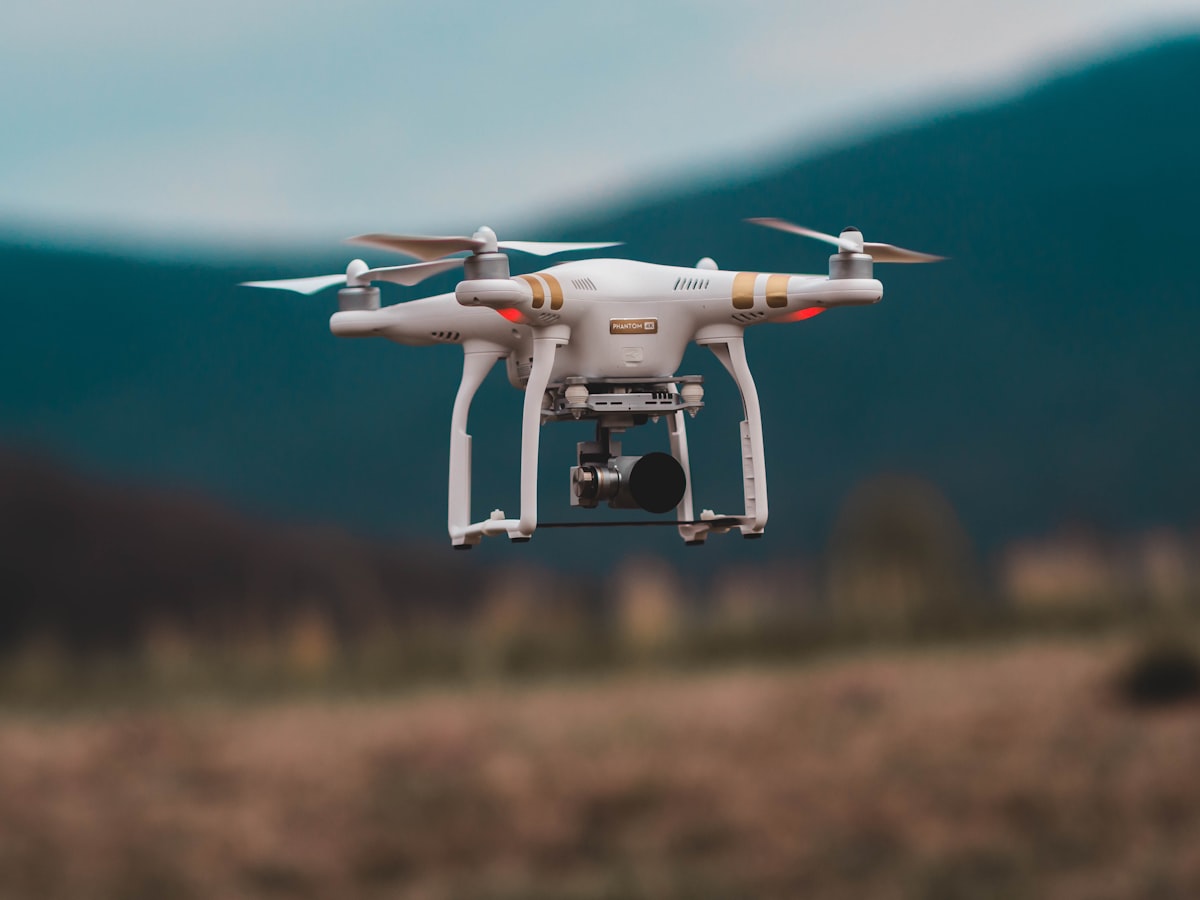
GPS interference makes your drone lose accurate positioning, which can cause drift, erratic behaviour or an aborted return-to-home, so recognising it early and knowing how to fly without it is a core safety skill. If your satellite count drops or the drone starts wandering in position hold, treat it as a positioning failure and take manual control calmly.
This guide explains the causes, the warning signs and the safe response as of 2026.
What causes GPS interference for drones?
Interference comes from jamming that overpowers the weak satellite signal, spoofing that feeds false positions, and everyday obstructions and reflections in built-up areas. The satellite signals reaching your drone are extremely weak, so they are easy to disrupt, deliberately or otherwise.
Common causes:
- Jamming, where a transmitter floods the frequency and drowns out real satellite signals. This has become more common near certain conflict-affected regions and around some sensitive sites.
- Spoofing, where false signals trick the receiver into calculating a wrong position, which is more dangerous because the drone may act on bad data with confidence.
- Urban multipath, where signals bounce off buildings and arrive distorted, degrading accuracy in cities.
- Obstructions from buildings, terrain, dense trees or being close to structures that block the sky view.
Some of these are malicious and outside your control, while others are environmental. Either way, the safe response is the same: recognise degraded positioning and be ready to fly without it.
How do you recognise GPS interference in flight?
Watch for a sudden drop in satellite count, a positioning warning, the drone drifting or circling in position hold, or return-to-home behaving oddly. These are the practical symptoms that your positioning has become unreliable, and they can appear abruptly.
Warning signs:
- Satellite count falling sharply or the app switching out of GPS mode.
- The drone drifting despite centred sticks, or circling in a widening spiral.
- A positioning or compass warning in the app.
- Return-to-home that will not engage, heads the wrong way, or behaves erratically.
- The map showing the drone jumping to an implausible location, a classic sign of spoofing.
If you fly the same area regularly and suddenly see these symptoms, suspect interference rather than a hardware fault. Distinguishing interference from a genuine compass or IMU problem is a skill worth developing, and the calibration guide in this batch helps you tell them apart. The judgement to read these signals correctly is exactly what the dronexamine trainer helps you build.
How do you fly safely when GPS is unreliable?
Switch to manual attitude mode if the drone offers it, keep the aircraft close and in clear sight, and fly it home by hand using visual reference rather than trusting automated return. When positioning is compromised, your eyes and stick inputs are more reliable than the drone’s confused navigation.
Safe practice:
- Keep the drone in visual line of sight and close. Interference is far easier to handle when you can see and reach the aircraft quickly.
- Know your manual mode. Practise flying in attitude mode in calm, open conditions so you are comfortable without GPS when it matters.
- Fly it home manually rather than relying on return-to-home, which depends on the positioning that has just failed.
- Descend and land at a safe nearby spot if control feels uncertain, rather than pushing on.
- Note the location. If interference recurs in one spot, avoid it and consider reporting persistent jamming.
Remember that without GPS, position hold is gone, so the drone will drift with the wind. Combining interference with strong wind is especially demanding, which is another reason to keep flights close and conservative.
Where is GPS interference most likely?
Interference is most likely near airports and military sites, close to certain borders and conflict-affected regions, and in dense urban environments. Both deliberate jamming and environmental degradation cluster in these places, so plan flights there with extra caution.
Higher-risk locations:
- Near airports, military installations and sensitive infrastructure, where jamming may be present and airspace is often restricted anyway.
- Border regions and areas near ongoing conflict, where widespread jamming has affected aviation broadly.
- Dense city centres, where tall buildings cause multipath and block the sky.
- Deep valleys and areas with limited sky view, where satellite geometry is poor.
Always check airspace restrictions before flying near sensitive sites, since many are no-fly zones regardless of interference. If you are travelling to a region known for GPS disruption, expect degraded positioning and prepare to fly manually.
What should you do before and after a flight to reduce risk?
Before flying, wait for a strong satellite lock in open sky and confirm your home point is set correctly, and afterward review any interference you noticed so you can plan future flights better. A good lock at launch gives you a solid baseline and a reliable home point to return to.
Preparation and follow-up:
- Launch in open sky, wait for a healthy satellite count, and verify the home point is where you actually stand.
- Update GPS assistance data through the app before you head out, so the cold start is faster.
- Keep firmware current, since manufacturers improve interference handling over time.
- After a flight with anomalies, note where and when it happened, and avoid that spot if the pattern repeats.
- Consider reporting persistent, deliberate jamming to the relevant authority, since it also affects manned aviation.
Treating a clean launch as non-negotiable means that if positioning degrades later, at least you began from a solid, verified position with a correct home point.
Common questions
Is GPS jamming illegal? Operating jamming equipment is illegal in most countries because it disrupts critical navigation and communication systems, including manned aviation. However, jamming still occurs, whether from illegal devices or from disruption near certain regions. As a pilot you cannot control it, so focus on recognising degraded positioning and flying safely without GPS.
Can I still fly if my drone loses GPS? Yes, if your drone has a manual attitude mode, but it will not hold position and will drift with the wind. Keep it close and in sight, fly it home by hand using visual reference, and land promptly if control feels uncertain. Practise attitude-mode flying beforehand so it is not new to you in an emergency.
Why does my drone lose GPS in the same place every time? Persistent loss in one spot suggests a fixed cause, either local interference or an obstruction such as buildings, terrain or dense trees blocking the sky. If it is near a sensitive site it may be deliberate jamming. Avoid the location for GPS-dependent flying, and check whether it is also a restricted zone.
What is the difference between jamming and spoofing? Jamming drowns out the satellite signal so the drone loses its position and knows it. Spoofing feeds false signals so the drone calculates a wrong position and may act on it confidently, which is more dangerous. A drone map jumping to an impossible location is a classic sign of spoofing.
Your next step
Before your next flight, practise switching to and flying in manual attitude mode in a wide-open, calm area, so you can hand-fly the drone home if positioning fails. Then check airspace and known interference risks for anywhere you plan to fly near airports, borders or dense cities. To connect this safety skill with the broader rules on airspace and identification, work through the dronexamine guides, which cover the regulatory context every safe flight depends on.
Related articles
Compass and IMU calibration, when and how to do it
When to calibrate your drone compass and IMU, how to do it correctly, and the mistakes that cause drift and toilet-bowling. A practical field guide.
Flying a drone in wind, limits and reading conditions
How much wind is too much for a drone, how to read conditions, and safe techniques for gusty flying. Concrete wind speed guidance and forecast tips.
What is Remote ID for drones and do you need it?
Remote ID explained for EASA drone pilots: what it broadcasts, which drones need it, and how it fits Regulation 2019/947. A clear, practical overview.