Thermal cameras on drones, how they work and when to use them
How drone thermal cameras work, what resolution and radiometric data mean, and which inspection, search and agriculture tasks justify a thermal payload in 2026.
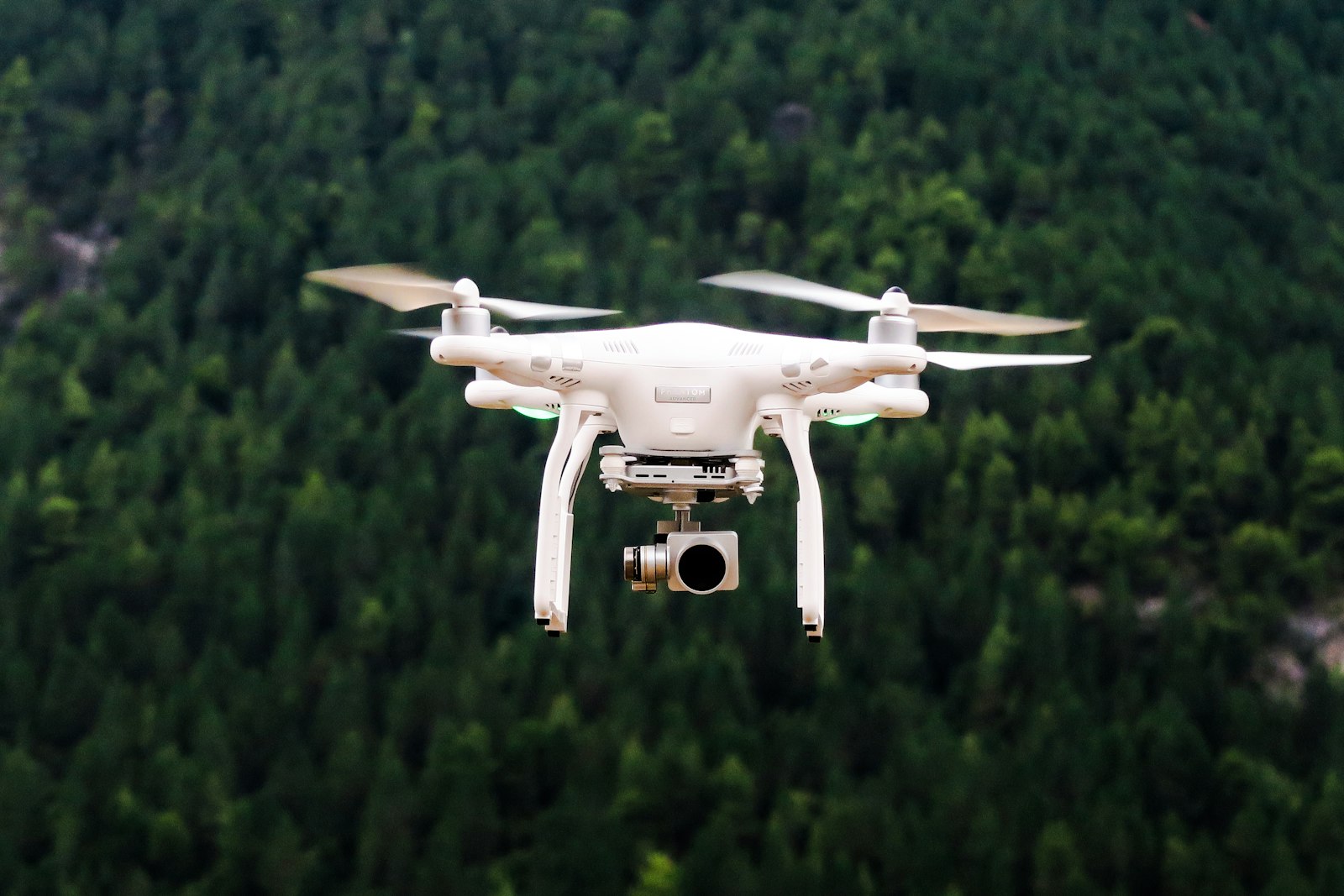
A thermal camera on a drone detects heat rather than light, letting you find hot electrical joints, missing insulation, people in the dark and water problems that a normal camera cannot see. The two specifications that matter most are sensor resolution and whether the camera is radiometric, meaning it records an actual temperature for every pixel rather than just a false-colour picture.
This guide explains how drone thermal imaging works and when it is worth the extra cost as of 2026.
How does a drone thermal camera work?
A thermal camera senses infrared radiation emitted by every object above absolute zero and converts differences in that radiation into an image. Warmer surfaces show up differently from cooler ones, so you see heat patterns instead of visible detail.
The key ideas:
- It reads emitted heat, not reflected light, so it works in complete darkness.
- It shows relative temperature differences as colour or greyscale, revealing patterns invisible to the eye.
- It cannot see through walls or glass; it reads surface temperature only, and glass reflects infrared rather than passing it.
- Emissivity matters; shiny metals read inaccurately because they emit little infrared and reflect their surroundings.
Understanding that limitation stops the most common misuse. A thermal camera does not see inside a wall, but it does show where heat reaches the surface, which is how it reveals missing insulation, water ingress or an overheating component.
What is the difference between radiometric and non-radiometric?
A radiometric thermal camera records a measured temperature for every pixel, so you can analyse exact values later, while a non-radiometric camera only produces a heat-coloured image. If you need to report temperatures or set thresholds, you need radiometric data.
The distinction in practice:
- Radiometric: every pixel carries a temperature you can read and measure in software, ideal for electrical inspection and reporting.
- Non-radiometric: a visual heat map that shows patterns but no reliable numbers, cheaper and fine for spotting people or gross differences.
- Analysis: radiometric files let you build reports with min, max and spot temperatures; non-radiometric files do not.
For search and rescue or basic scouting, a non-radiometric image is often enough because you only need to spot a warm shape. For electrical, solar and building diagnostics, radiometric data is usually essential because the finding is a number, not just a colour.
What resolution do you need?
Thermal sensor resolution is much lower than visual cameras, so more pixels genuinely matters, and the right choice depends on how close you can fly and how small the target is. Common thermal resolutions run far below normal camera megapixels, which is why standoff distance affects what you can resolve.
Guidance as of 2026:
- Higher thermal resolution lets you fly further from the target and still resolve small features such as a single hot connector.
- Lower resolution forces you closer, which is not always safe or legal near structures.
- Dual sensors pairing thermal with a visual camera help you locate exactly what the heat signature corresponds to.
Because you often cannot approach a live power line or a busy roof closely, thermal resolution effectively sets your working distance. Match the sensor to the smallest defect you must reliably detect at a safe standoff. Choosing the right payload is a planning decision, and the dronexamine material helps you tie equipment choices back to the operation you are authorised to fly.
When is a thermal payload actually worth it?
A thermal camera earns its cost on tasks where heat reveals what light cannot, such as electrical faults, solar panel defects, building heat loss, water ingress and locating people or animals. For pure mapping or photography, it usually adds no value.
Strong use cases:
- Electrical and solar inspection: hot joints, faulty panels and overloaded components stand out clearly.
- Building diagnostics: missing insulation, thermal bridges and moisture show as temperature anomalies.
- Search and rescue: a warm human or animal contrasts against a cool background, especially at night.
- Roof and flat-roof surveys: trapped moisture retains heat and shows up after sunset.
- Agriculture and livestock: irrigation issues and animal location on large land.
If your work does not involve any of these, a thermal camera is an expensive addition you will rarely use. Be honest about your job mix before buying.
How do you get good thermal results?
Fly at the right time, understand emissivity, and calibrate your expectations, because thermal imaging is easy to misread. The biggest quality gains come from timing and interpretation, not from the drone itself.
Practical tips:
- Time it well: many building and roof surveys work best after sunset, once the sun’s reflected heat has faded and real thermal patterns emerge.
- Mind emissivity: shiny or reflective surfaces give false readings; know which materials you can trust.
- Avoid solar loading: direct sun heats surfaces unevenly and can mask real faults during the day.
- Set the palette and range to make the anomaly you care about stand out, not just look dramatic.
- Confirm with the visual camera so you know exactly what the hot or cold spot is.
Interpretation is a skill. A striking thermal image can mislead if you ignore reflection, wind cooling or solar loading, so treat every anomaly as something to confirm rather than a conclusion.
Common questions
Can a thermal drone see through walls or roofs? No. Thermal cameras only read surface temperature, so they cannot see inside a wall, roof or body. What they show is how heat reaches the surface, which reveals missing insulation, pipes or moisture behind the surface. Anyone promising X-ray style vision through solid material is misunderstanding how the technology works.
Do I need radiometric for solar panel inspection? Usually yes. Solar and electrical inspection often depends on measuring temperature differences and reporting them, which needs radiometric data with a value per pixel. A non-radiometric camera may show a hot cell but cannot give the numbers a report requires. Confirm the deliverable your client expects before choosing a camera.
Does a thermal camera change which EASA category I fly in? Not by itself. The category is set by drone weight, class and where you fly, not by the sensor. However, thermal work such as close power-line inspection often means flying near structures or people, which can push you into the Specific category. Assess the operation, not the camera, when deciding your category.
Is a cheap thermal drone good enough to start? It can be, for spotting gross differences or locating warm shapes. For professional inspection reports you will quickly want higher resolution and radiometric output. Consider renting a capable thermal drone for a few jobs to learn what resolution and features your work actually demands before committing to a purchase.
Your next step
List the specific tasks you want thermal for, then decide whether you need radiometric data and what resolution those tasks demand at a safe flying distance. Rent before you buy if you can, and practise interpreting images so you do not chase false readings. Use the dronexamine guides to confirm the category your thermal operations fall under before taking on inspection work.
Related articles
Infrastructure inspection drones, methods and rules
How drones inspect bridges, power lines, towers and roofs, why close-proximity work often needs the Specific category, and how to plan safe inspection flights in 2026.
Search and rescue drones, tactics, sensors and rules
How drones support search and rescue with thermal and zoom sensors, how EASA rules and BVLOS apply, and what training SAR drone crews need in 2026.
Drones in agriculture, uses, rules and getting started
How drones are used in farming for mapping, scouting and spraying, which EASA category spraying falls under, and what you need to operate agricultural drones in 2026.