Search and rescue drones, tactics, sensors and rules
How drones support search and rescue with thermal and zoom sensors, how EASA rules and BVLOS apply, and what training SAR drone crews need in 2026.
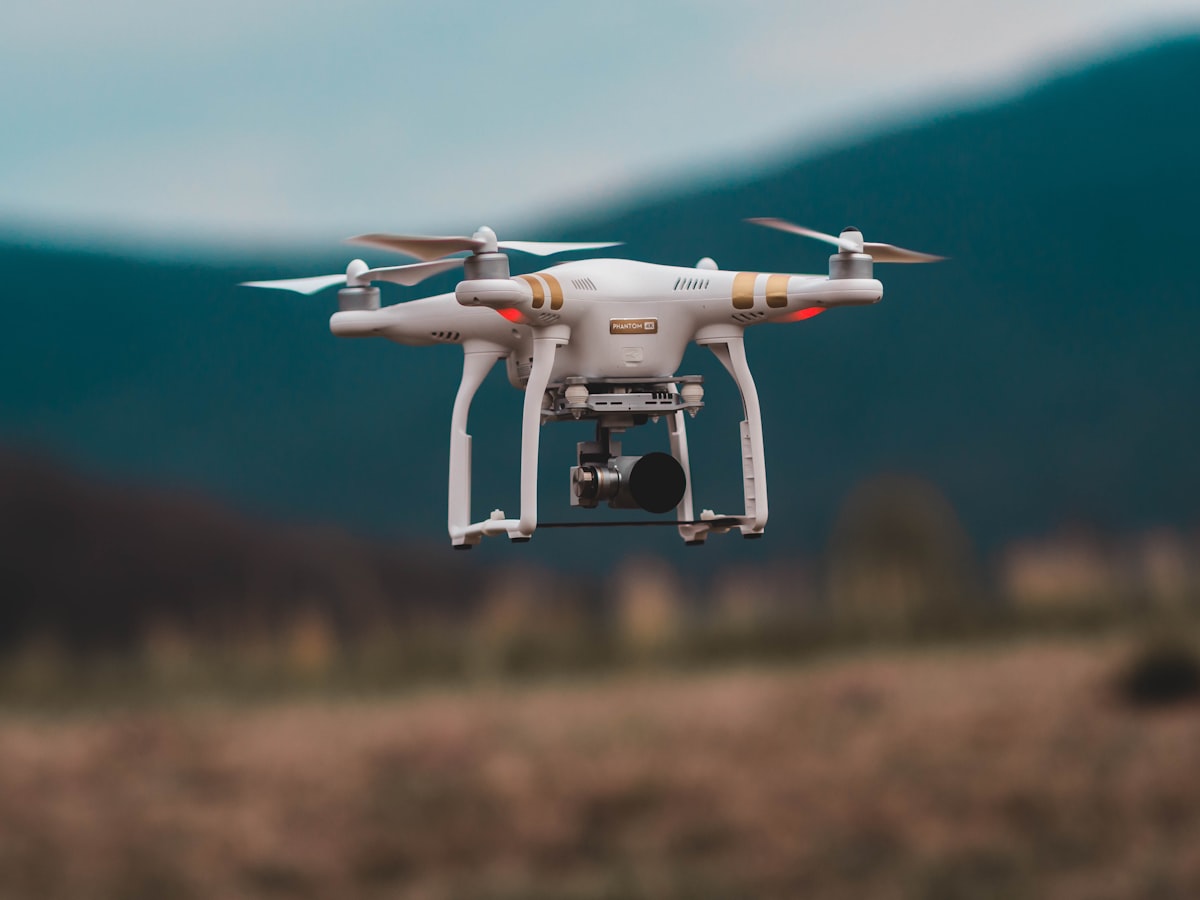
Search and rescue drones speed up the search for missing people by covering large or dangerous areas quickly, using thermal cameras to spot body heat and zoom lenses to confirm sightings from a distance. Under EASA rules this work still follows Regulation 2019/947, but many realistic SAR scenarios, such as night flights and beyond visual line of sight searches, push operations into the Specific category and need authorisation from your national aviation authority (NAA).
This guide covers the tactics, sensors and rules for drone-assisted search and rescue as of 2026.
How do drones help in search and rescue?
Drones cover ground far faster than searchers on foot and reach places that are dangerous or slow to access, giving an aerial view that shortens the time to locate a missing person. A thermal camera turns a body’s heat into a visible signature, especially valuable at night or in cover.
Key contributions:
- Rapid area coverage: a drone scans open terrain in minutes that would take a ground team hours.
- Thermal detection: warm bodies contrast against cool ground, water or vegetation.
- Access to hazards: cliffs, water, unstable ground and collapsed structures can be searched without risking rescuers.
- Real-time overview: commanders see the scene live to direct ground teams.
- Confirmation with zoom: an optical zoom lens verifies a heat signature is a person before committing resources.
The drone rarely replaces ground teams; it directs them. By narrowing the search area and confirming sightings, it lets human resources focus where they are most needed.
Which sensors matter most for SAR?
Thermal and zoom cameras are the core SAR sensors, with thermal finding heat signatures and zoom confirming what they are without approaching. A dual visual-and-thermal payload is the most useful single setup because it shows the heat and the scene together.
Sensor priorities:
- Thermal camera: the primary detection tool, spotting a warm body against a cooler background, particularly at night.
- Optical zoom: confirms a signature is a person, animal or false heat source from a safe distance.
- Dual sensor: overlays thermal and visual so operators can locate exactly what a heat signature corresponds to.
- Spotlight or strobe: aids location and marks a find for ground teams in darkness.
Interpretation is critical. Warm rocks, animals, vehicles and machinery all produce heat signatures, so an operator must confirm before raising an alarm. Our companion guide on thermal cameras explains how to read these images and avoid false positives.
What EASA rules apply to SAR drone flights?
SAR flights follow the same EASA framework as any operation, but night flying and beyond visual line of sight searches commonly require the Specific category and an operational authorisation. There is no automatic emergency exemption that lets a crew ignore the rules.
The regulatory picture as of 2026:
- Standard VLOS daytime searches with a suitable drone may fit the Open category, subject to weight and distance rules.
- Night operations are permitted but require the drone to show a green flashing light and demand careful planning; night SAR often runs in the Specific category.
- Beyond visual line of sight searches over large areas need a Specific category operational authorisation from your NAA.
- State and emergency services may operate under national arrangements or exemptions; check what applies to your organisation.
Many SAR teams operate within an approved framework agreed with their NAA in advance, rather than improvising during a callout. Building that authorisation before it is needed is essential. Understanding where the Open category ends and the Specific begins is exactly what the dronexamine material is designed to make clear.
How do you plan and fly a search pattern?
Fly systematic, overlapping search patterns at an altitude that balances coverage against detection, and coordinate closely with ground teams so the drone directs the search. Random flying wastes battery and misses ground; disciplined patterns cover the area methodically.
Planning points:
- Pattern: fly parallel sweeps or an expanding grid so the whole target area is covered with overlap.
- Altitude: high enough to cover ground efficiently, low enough that a person is detectable on thermal; test this before you rely on it.
- Speed: slow enough that the sensor and operator can actually detect a target as it passes.
- Handover: relay coordinates to ground teams and mark finds clearly.
- Battery logistics: plan swaps so the search never stops for long, keeping spares charged and ready.
Assign roles clearly. In effective crews the pilot flies, a second person watches the sensor feed, and a coordinator links the drone to the wider operation, because one person cannot fly, observe and command at once.
What training and readiness do SAR crews need?
SAR drone crews need EASA pilot competency for their category plus specific training in thermal interpretation, search patterns, night operations and team coordination. Flying skill alone does not make an effective SAR operator; reading the sensor and integrating with the team matters just as much.
Readiness essentials:
- Pilot competency matching the category flown, up to Specific category training for night or beyond visual line of sight work.
- Thermal interpretation so operators distinguish a person from an animal, vehicle or warm terrain.
- Regular practice of search patterns and night flying, not just theory.
- Maintained equipment with charged batteries and tested gear ready for immediate callout.
- Clear procedures for coordination, handover and communication with the incident command.
Readiness is the theme. A SAR drone is only useful if the crew, batteries and authorisations are all prepared before the call comes, not scrambled together during an emergency.
Common questions
Can any drone pilot help in a search and rescue? Not informally. Turning up to a live incident with a drone can obstruct official operations and breach airspace restrictions imposed for the emergency. SAR flying should be done by trained crews operating within an agreed framework and coordinating with the incident command. Offer to volunteer and train with an organisation rather than self-deploying.
Do emergency services get to ignore drone rules? Not automatically. State and emergency operations may have national arrangements or exemptions, but these are defined in advance, not improvised. Even authorised crews follow safety procedures and airspace coordination. Check exactly what framework your organisation operates under with your NAA before assuming any exemption applies.
Is thermal essential for search and rescue? For night and low-visibility searches it is close to essential, because a warm body stands out on thermal when it is invisible to a normal camera. In daylight, a good zoom camera also has value. Most serious SAR setups use a dual thermal-and-visual payload so operators get both detection and confirmation.
How high should I fly to detect a person on thermal? It depends on the sensor, terrain and conditions, so test it rather than guess. Too high and a person becomes too few pixels to detect; too low and coverage slows. Establish a reliable detection altitude for your specific thermal camera through practice before depending on it in a real search.
Your next step
If you want to support search and rescue, join or partner with an organised team and train for the sensors, patterns and category you will actually fly, rather than self-deploying to incidents. Build your thermal interpretation and night flying skills in practice. Use the dronexamine guides to confirm which EASA category your intended SAR operations require and how to prepare the necessary authorisations.
Related articles
Thermal cameras on drones, how they work and when to use them
How drone thermal cameras work, what resolution and radiometric data mean, and which inspection, search and agriculture tasks justify a thermal payload in 2026.
Night flying with drones, rules and safe practice
How EASA rules allow night drone flights, why a green flashing light is required, and how to plan safe operations after dark for professional work in 2026.
Infrastructure inspection drones, methods and rules
How drones inspect bridges, power lines, towers and roofs, why close-proximity work often needs the Specific category, and how to plan safe inspection flights in 2026.