Swarm and multi-drone flying under EASA rules
How EASA rules apply to drone swarms and shows: multiple aircraft per pilot, the Specific category, authorisations and safety for pro operators in 2026.
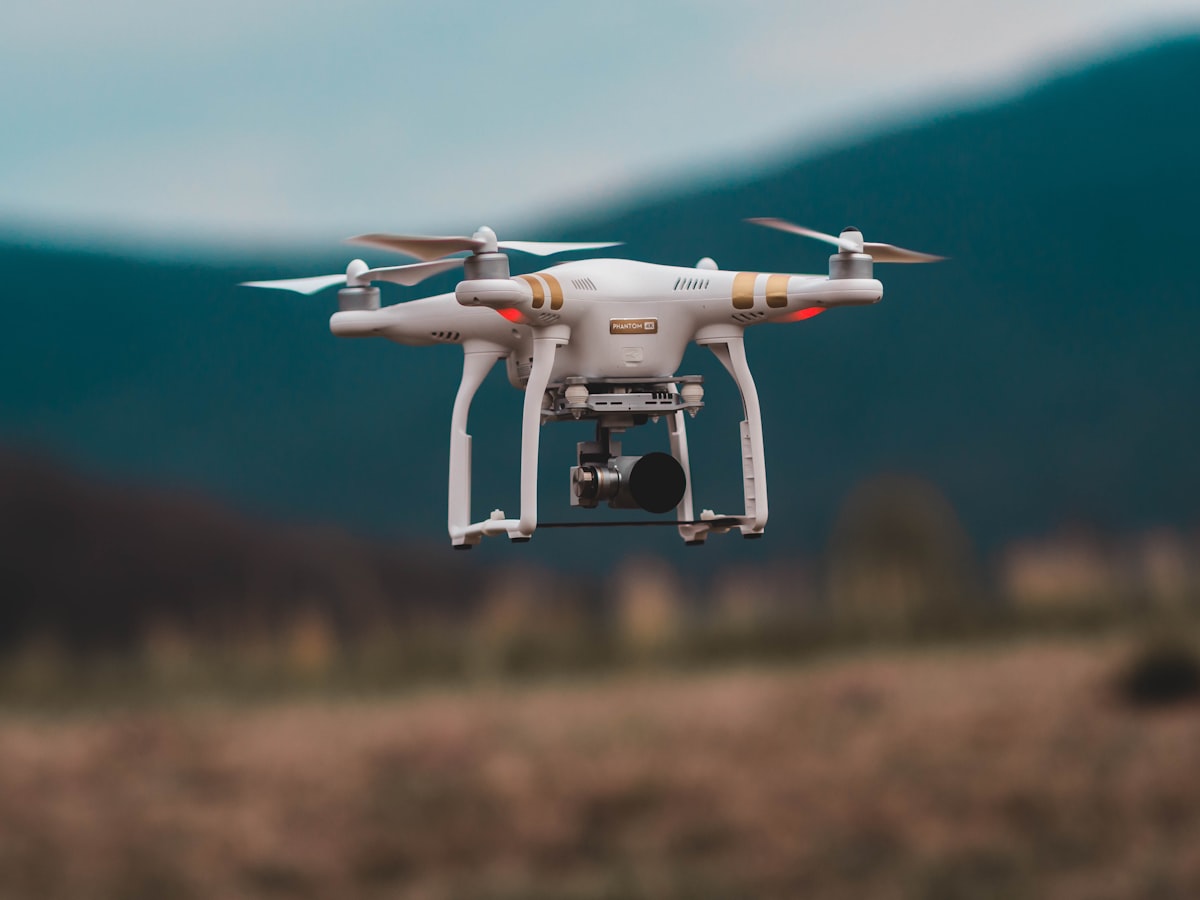
Flying a swarm or coordinated multi-drone show is a Specific category operation under EASA rules, because operating many aircraft at once falls outside the one-pilot, one-drone assumption of the Open category. As of 2026 these operations require an operational authorisation from your national aviation authority, built on a proper risk assessment, and they are not something you can improvise under Open category rules.
This guide explains how EASA treats multi-drone operations, why they sit in the Specific category, and what an operator needs to run them safely.
Can you fly multiple drones at once under EASA rules?
Not in the Open category, which is built around a single remote pilot maintaining visual line of sight of one aircraft. Operating several drones simultaneously, whether a light show or a coordinated survey, moves you into the Specific category with an authorisation that defines exactly how many aircraft and how they are controlled.
Key points as of 2026:
- The Open category assumes one pilot controlling one drone in direct visual line of sight.
- Swarms and shows involve many aircraft, often flown by automated systems under supervision.
- These operations require a Specific category authorisation from your national aviation authority (NAA).
- The authorisation sets the numbers, the control architecture and the safety conditions.
So the honest answer is that meaningful multi-drone flying is professional, authorised activity, not an extension of hobby flying. Anyone planning a show or swarm must engage with the Specific category process from the start.
Why do swarms fall into the Specific category?
Swarms fall into the Specific category because the risk profile of many coordinated aircraft exceeds what the Open category standard scenarios cover. More aircraft means more failure points, more airspace occupied and greater potential consequences, all of which demand a tailored assessment rather than fixed Open rules.
The reasons include:
- Increased complexity, with many aircraft and often automated control systems.
- Higher aggregate risk to people and property on the ground and in the air.
- Loss-of-control scenarios that must be assessed for the whole fleet, not one drone.
- Night operation and crowds, common for light shows, which add their own considerations.
Because the Open category cannot capture this, EASA channels multi-drone work through the Specific category, where the operation is described, assessed and approved with conditions matched to its actual risk.
What does an operator need to run a swarm?
An operator needs a Specific category authorisation based on a risk assessment, competent personnel, suitable equipment and often insurance, all defined in advance with the NAA. This is an organisational undertaking, not just a piloting one, and it involves procedures as much as flying skill.
Typical requirements include:
- An operational authorisation from your NAA, or operation under an approved framework.
- A risk assessment, commonly using a recognised methodology, covering failure modes.
- Defined roles, including a remote pilot in command and support crew.
- Tested systems for launch, coordination and failsafe behaviour.
- Insurance as required nationally for the operation.
- Airspace coordination, including any geographical zone clearances.
The exact requirements depend on your country and the scale of the operation, so engage your NAA early. The dronexamine study material explains how the Specific category and its authorisations work so you understand the framework these operations sit in.
How do you manage safety across many aircraft?
Safety across a swarm depends on robust automation, clear failsafe behaviour and a supervising pilot who can intervene, because no one can manually fly dozens of drones. The system must handle individual aircraft failures without cascading into a wider loss of control.
Safety measures to plan for:
- Reliable coordination software with tested behaviour for lost links and failures.
- Defined failsafe actions, so a single drone problem does not endanger the group or the crowd.
- Geofencing and containment to keep aircraft within an approved volume.
- A supervising remote pilot able to trigger a safe response quickly.
- Adequate separation from spectators, matched to the authorisation conditions.
- Battery and health monitoring across the fleet before and during the show.
These operations are only as safe as their weakest failsafe, so testing and rehearsal matter enormously. Crowd safety, in particular, is central to any authorisation for a public display.
What airspace and location rules apply to shows?
Drone shows must respect geographical zones, airspace restrictions and any local permissions for the venue, on top of the Specific category authorisation. A show over a crowd at night near an urban area combines several of the most tightly controlled conditions in the framework.
Considerations for the venue:
- Geographical zones and control zones that may restrict or prohibit flight.
- Night operation rules and lighting requirements for the aircraft.
- Crowd proximity, which is a central factor in the authorisation.
- Local permissions for the site, separate from airspace clearance.
- U-space arrangements where they apply, as these systems mature.
Because a public show touches airspace, safety and local law at once, coordinate every layer well in advance and confirm each with the relevant authority.
Common questions
Can I fly two of my own drones at the same time for fun? Not simultaneously as a single pilot in the Open category, which assumes one pilot maintaining visual line of sight of one aircraft. Operating multiple drones at once generally requires a Specific category authorisation. If you want to explore multi-drone flying, treat it as a Specific category activity and speak to your NAA about the requirements.
Are drone light shows legal in the EU? Yes, when run as authorised Specific category operations. Professional light shows operate under an operational authorisation with a risk assessment, defined crew, tested systems and crowd-safety measures. They are legal precisely because they are assessed and approved. They are not something to attempt without that authorisation.
Do I need a special licence to be a swarm pilot? You need the competencies and organisational approvals defined in the Specific category authorisation, which go beyond the basic Open category certificates. The exact requirements depend on the operation and your country. Rather than a single fixed licence, it is a package of competency, procedures and approval. Confirm the specifics with your NAA.
How is airspace managed for many drones at once? Through the authorisation, geofencing, containment volumes and, increasingly, U-space services as they develop. The aircraft are kept within an approved volume with failsafe behaviour, and airspace clearances handle any zones or control areas. The management is designed in advance as part of the operation, not arranged on the day.
Your next step
If you plan any multi-drone or swarm operation, start with the Specific category: prepare a risk assessment, define your crew and failsafe behaviour, and engage your NAA early about the authorisation and any airspace clearances. Do not attempt these flights under Open category rules. Work through the dronexamine guides on the Specific category and U-space so you understand the framework before you take on coordinated multi-drone work.
Related articles
FPV flying rules under EASA, what you need to know
How EASA rules apply to FPV drones, why FPV needs a visual observer, and which category and competencies you need to fly first-person view legally in 2026.
What is U-space, the future of drone airspace explained
What U-space means under EU rules, which services it provides, and how designated U-space airspace changes drone operations for professionals in 2026.
Night flying with drones, rules and safe practice
How EASA rules allow night drone flights, why a green flashing light is required, and how to plan safe operations after dark for professional work in 2026.