FPV flying rules under EASA, what you need to know
How EASA rules apply to FPV drones, why FPV needs a visual observer, and which category and competencies you need to fly first-person view legally in 2026.
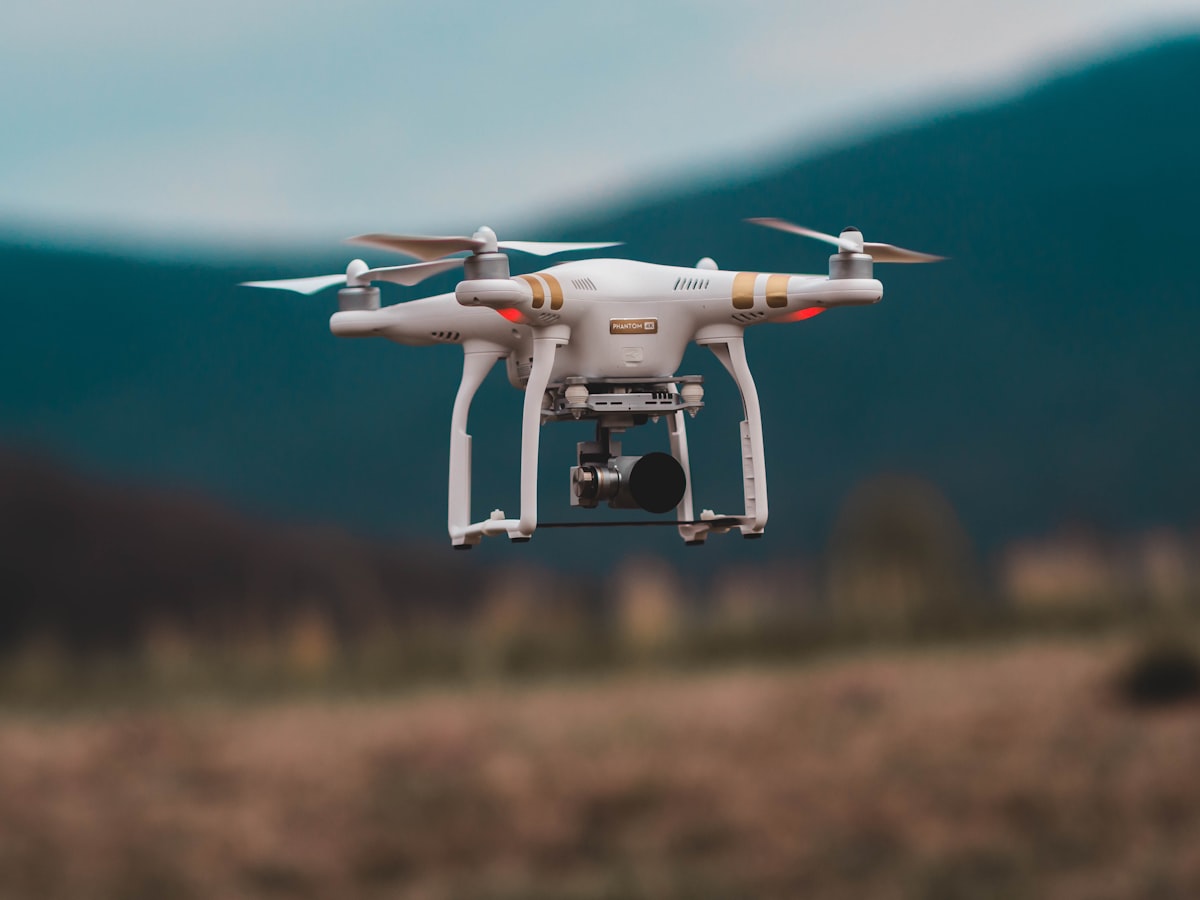
FPV flying is fully legal under EASA Regulation 2019/947, but because you fly through a headset rather than looking at the aircraft, you break the visual line of sight requirement and must fly with a spotter. That single point shapes almost every FPV rule in the Open category, and getting it wrong is the most common way pilots fall foul of the regulations.
This guide explains how EASA rules map onto FPV as of 2026, from the visual observer to weight limits and registration.
Is FPV flying legal under EASA rules?
Yes. EASA rules do not ban first-person view; they treat an FPV drone like any other unmanned aircraft and apply the same weight, category and competency requirements. What FPV changes is how you satisfy the visual line of sight (VLOS) rule, because a headset does not let you see the aircraft directly.
The regulation requires that the drone remain within visual line of sight throughout the flight. When you fly FPV, the standard solution is to fly with a visual observer standing next to you, keeping the drone in unaided sight and communicating with you at all times. With that observer in place, an FPV flight can operate normally within the Open category.
Everything else follows the usual structure: the subcategory depends on drone weight and where you fly, and your competencies depend on that subcategory.
Do you need a visual observer for FPV?
In almost all cases, yes. Because a headset removes your direct view of the aircraft, an FPV flight in VLOS operations needs a visual observer beside you who keeps the drone in unaided sight and warns you of any hazard. The observer effectively provides the “eyes on the aircraft” that the rules demand.
The visual observer must:
- Stand next to you, not somewhere remote.
- Keep the drone in direct, unaided sight, glasses and contact lenses aside.
- Maintain constant communication so they can alert you to other aircraft, people or obstacles.
- Be ready to tell you to take action if the situation changes.
Flying FPV alone, with no one watching the actual aircraft, is not VLOS and is not permitted in the standard Open category. If you want to fly genuinely beyond visual line of sight, that is a Specific category operation needing an operational authorisation from your national aviation authority (NAA).
Which Open category subcategory covers FPV?
The subcategory depends on your drone’s weight and class, exactly as for any other drone. Most sub-250 gram FPV whoops fit A1, while heavier freestyle and long-range builds usually fall into A3, away from people.
As of 2026, the practical picture looks like this:
- Under 250 g: can operate in A1, which allows flight closer to people, though you still keep clear of assemblies of people.
- 250 g and above without a C-class label: typically limited to A3, meaning you fly far from uninvolved people and well away from residential, commercial and recreational areas.
- C-class marked drones: follow the subcategory printed on the class label, but most self-built FPV drones carry no class mark.
Because many FPV drones are self-built or heavily modified, they usually have no C-class label and default to A3. Confirm your exact weight, including battery and any action camera, before deciding where you can fly. If you are unsure how subcategories map to your build, the dronexamine study material breaks the Open category structure down clearly.
What licences and registration do FPV pilots need?
You need to register as an operator if your drone weighs 250 g or more, or carries a camera, which covers virtually every FPV drone. You then need the pilot competency matching your subcategory, which for A3 is the basic online training and A1/A3 certificate.
The essentials as of 2026:
- Operator registration with your NAA, because almost all FPV drones have a camera. Display your operator number on the aircraft.
- A1/A3 online training and exam for flying in A1 and A3, which most FPV pilots complete.
- A2 certificate of competency only if you want to fly a C2 class drone closer to people, which is uncommon for FPV.
Registration is tied to you as the operator, not to each drone, so one registration covers your whole fleet. The pilot competency, though, must match the subcategory you actually fly in.
What extra rules apply to FPV goggles and video?
Your video transmitter must use permitted frequencies and power levels, and analogue or digital FPV links are subject to national radio equipment rules. Using an overpowered or non-compliant transmitter is a separate offence from the drone rules and can carry its own penalties.
Key points to check:
- Frequencies and power: confirm your video transmitter operates on frequencies and output power allowed in your country. These vary, so check with your NAA or national telecom regulator.
- Interference: avoid transmitters that can disrupt other services, and never boost power beyond legal limits to gain range.
- Digital versus analogue: both are allowed if the hardware meets local radio rules, but the compliance requirement is the same.
Remote identification also applies. As direct remote ID requirements phase in, an FPV drone that needs to broadcast remote ID must do so like any other, so factor this into self-builds.
Common questions
Can I fly FPV solo if my drone has an obstacle-avoidance feature? No. Obstacle avoidance does not replace the visual line of sight requirement. In the Open category you still need a visual observer beside you keeping the actual aircraft in unaided sight, regardless of what the drone can sense. Solo, headset-only flight beyond line of sight is a Specific category operation.
Do sub-250 gram FPV drones escape all the rules? No. A sub-250 gram FPV drone can fly in A1 and avoids some limits, but if it has a camera you still register as an operator, and you still need a visual observer because the headset breaks VLOS. Lightweight does not mean rule-free, especially where privacy and airspace are concerned.
Is racing at an organised FPV event treated differently? Sometimes. Model aircraft clubs and associations can hold their own authorisation from the NAA with tailored conditions, which may cover FPV racing. If you fly at a recognised club or event, follow their operating rules, which can differ from standard Open category limits. Check the club’s authorisation before you fly.
Can I use FPV for commercial work like inspections? Yes, if you meet the same category rules as any other operation. Commercial use does not change the Open or Specific category requirements. For close-proximity or beyond-line-of-sight inspection work, you will usually move into the Specific category and need an operational authorisation from your NAA.
Your next step
Weigh your FPV drone with its battery and camera, confirm which subcategory that puts you in, and line up a reliable visual observer before your next session. If you fly anything at 250 g or above, make sure your operator registration and A1/A3 competency are current. Use the dronexamine trainer to check exactly which certificate your FPV setup requires so every flight stays inside the rules.
Related articles
What is Remote ID for drones and do you need it?
Remote ID explained for EASA drone pilots: what it broadcasts, which drones need it, and how it fits Regulation 2019/947. A clear, practical overview.
Night flying with drones, rules and safe practice
How EASA rules allow night drone flights, why a green flashing light is required, and how to plan safe operations after dark for professional work in 2026.
Drones and privacy, what the rules require of you
How data protection and privacy law apply when you fly a camera drone, what GDPR means for aerial footage, and how to stay compliant across EASA states in 2026.