What is U-space, the future of drone airspace explained
What U-space means under EU rules, which services it provides, and how designated U-space airspace changes drone operations for professionals in 2026.
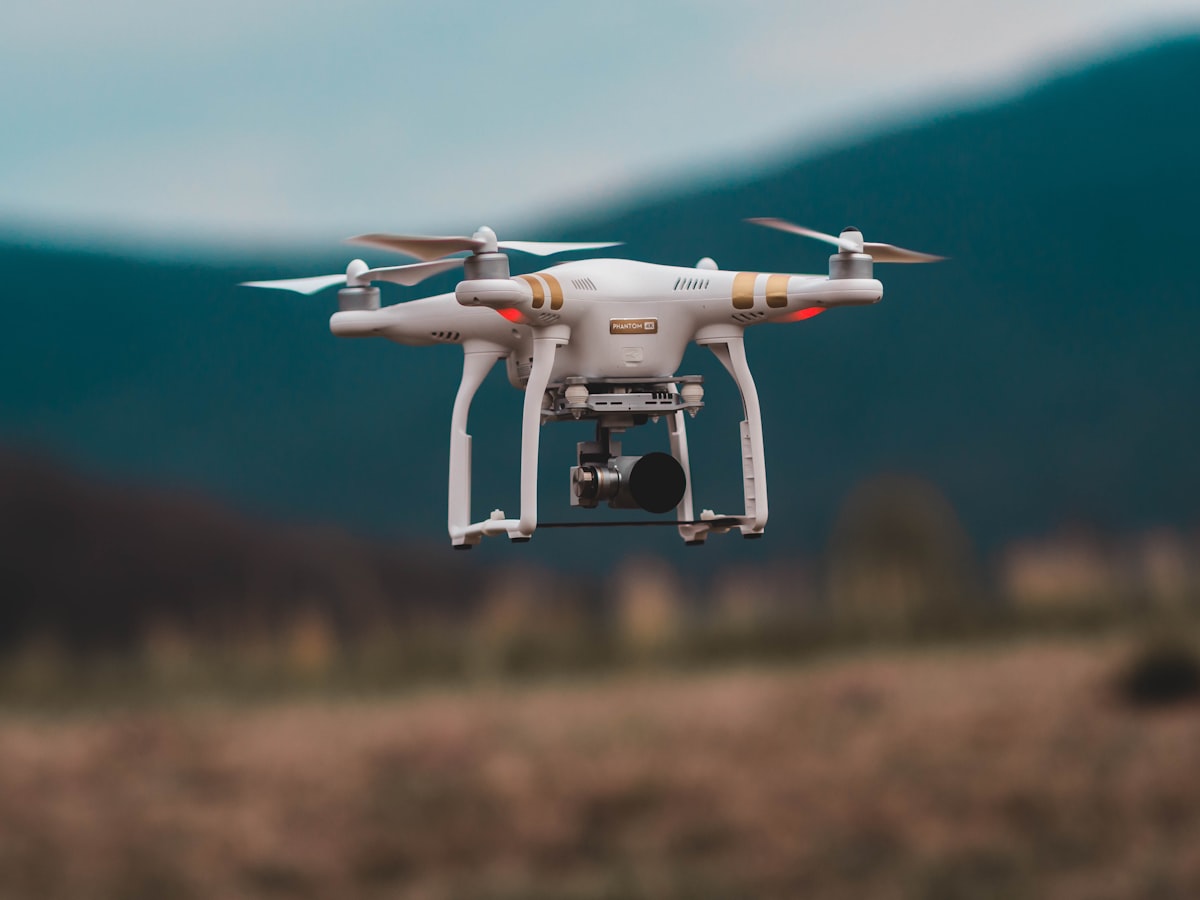
U-space is the European framework for managing drone traffic in designated volumes of airspace, letting many drones, including beyond visual line of sight operations, share the sky safely alongside each other and manned aviation. It is built on a set of digital services, delivered by certified providers, that handle registration, flight authorisation, traffic information and geo-awareness rather than relying on a human controller talking to each pilot.
This guide explains what U-space is and how it affects drone operators as of 2026.
What does U-space actually mean?
U-space is a set of services and procedures, defined in EU regulation, that enable safe and efficient drone operations in designated airspace, especially at low level and at scale. It is not a place you fly to; it is a management system that member states can apply to specific airspace volumes where drone traffic needs coordinating.
The essentials:
- It is a regulatory and service framework, established by EU rules that sit alongside Regulation 2019/947.
- It applies in designated U-space airspace, volumes that a member state chooses to establish, not everywhere.
- It enables higher-density and BVLOS operations that would be hard to manage safely by traditional means.
- It relies on digital services from certified U-space service providers rather than voice control.
Think of U-space as the infrastructure that makes routine, large-scale drone operations possible, such as deliveries and inspections at volume, in airspace where simply flying by see-and-avoid would not be safe enough.
What services does U-space provide?
U-space is built around a core set of mandatory services covering identification, geo-awareness, flight authorisation and traffic information. These digital services replace much of what a human air traffic controller would otherwise provide for crewed aircraft.
The mandatory services as defined in the rules:
- Network identification: drones broadcast their identity and position so others can see them.
- Geo-awareness: operators receive up-to-date information on airspace restrictions and conditions.
- UAS flight authorisation: operators request and receive approval for a flight, with the system preventing conflicting requests.
- Traffic information: operators are told about other traffic near them so they can act.
Additional services, such as weather information and conformance monitoring, may be provided on top. Together these let the system resolve potential conflicts before flights happen, rather than reacting to them in the air.
How does U-space change how you operate?
In designated U-space airspace you must use the required services, typically meaning your drone is network-identifiable and you obtain a flight authorisation through a U-space service provider before flying. This is a more structured process than simply checking a map and taking off.
What changes for the operator:
- You need compatible equipment capable of network identification and any required connectivity.
- You request flight authorisation digitally before operating, rather than assuming the airspace is free.
- You receive traffic and geo-awareness information and are expected to act on it.
- You use a certified U-space service provider to access these services.
Outside designated U-space airspace, the familiar Open and Specific category rules continue to apply as before. U-space is an additional layer that activates only where a member state has established it. Keeping the base EASA framework clear in your mind makes the added U-space layer far easier to follow, which is where the dronexamine material helps.
Where and when will U-space apply?
U-space applies only in airspace that a member state formally designates, so its rollout is gradual and varies significantly between countries. As of 2026 you should expect a patchwork rather than blanket coverage, with early U-space volumes appearing where drone traffic is densest or where advanced operations are being enabled.
Practical expectations:
- Designation is national: each member state decides where and when to establish U-space airspace.
- Coverage is uneven: some countries and regions move faster than others.
- Early use cases include urban delivery corridors, complex operational areas and places enabling BVLOS at scale.
- Requirements will be published for each designated volume, so check before operating there.
Because the picture changes and differs by country, always confirm with your national aviation authority (NAA) whether the airspace you plan to use is designated U-space and what that requires. Do not assume rules are the same across borders.
Why does U-space matter for professionals?
U-space is what makes advanced, scalable drone operations, such as routine deliveries, corridor inspections and BVLOS flights, viable in shared airspace. For professional operators it is the framework that will unlock business models that are impractical under see-and-avoid alone.
Why it matters:
- BVLOS at scale: U-space provides the traffic management that safe, routine beyond-line-of-sight operations depend on.
- Higher traffic density: many drones can share airspace when a system coordinates them.
- New services: delivery, surveillance and inspection businesses become feasible in managed airspace.
- Interoperability: a common framework across the EU supports operations that cross regions and borders.
If your ambitions go beyond simple visual line of sight flying, U-space is the direction of travel. Understanding it now positions you for operations that will increasingly run inside this managed framework.
Common questions
Do I need to worry about U-space for normal Open category flying? Usually not yet, unless you fly in airspace a member state has designated as U-space. In ordinary uncontrolled airspace the familiar Open category rules apply. If you plan to fly somewhere that has been designated, check the specific requirements first. Always confirm the airspace status with your NAA before operating.
What equipment does U-space require? At minimum, the ability to be network-identifiable and to connect to U-space services, plus whatever a specific designated volume mandates. Requirements depend on the services in force and the airspace. Because this is still developing and varies by country, check the exact equipment rules for the U-space airspace you intend to use before flying there.
Is U-space the same as Remote ID? No, though they are related. Remote ID lets a drone broadcast its identity and position, which supports network identification within U-space, but U-space is a much broader framework including flight authorisation, traffic information and geo-awareness. Remote ID is one building block; U-space is the wider traffic management system built partly upon it.
Will U-space make manual airspace checks unnecessary? Not entirely. U-space automates authorisation and provides traffic and geo-awareness information within designated airspace, but you remain responsible for operating safely and legally. Outside U-space volumes you still check airspace yourself. Even within U-space, understanding the rules and acting on the information provided remains your responsibility as the pilot.
Your next step
Check whether any airspace you regularly use has been, or is likely to be, designated as U-space, and start following how your national aviation authority is rolling it out. If you plan advanced or BVLOS operations, factor U-space into your equipment and business planning now. Use the dronexamine guides to keep your core EASA knowledge current so the added U-space layer is straightforward to adopt.
Related articles
What is Remote ID for drones and do you need it?
Remote ID explained for EASA drone pilots: what it broadcasts, which drones need it, and how it fits Regulation 2019/947. A clear, practical overview.
Drones and privacy, what the rules require of you
How data protection and privacy law apply when you fly a camera drone, what GDPR means for aerial footage, and how to stay compliant across EASA states in 2026.
FPV flying rules under EASA, what you need to know
How EASA rules apply to FPV drones, why FPV needs a visual observer, and which category and competencies you need to fly first-person view legally in 2026.