Night flying with drones, rules and safe practice
How EASA rules allow night drone flights, why a green flashing light is required, and how to plan safe operations after dark for professional work in 2026.
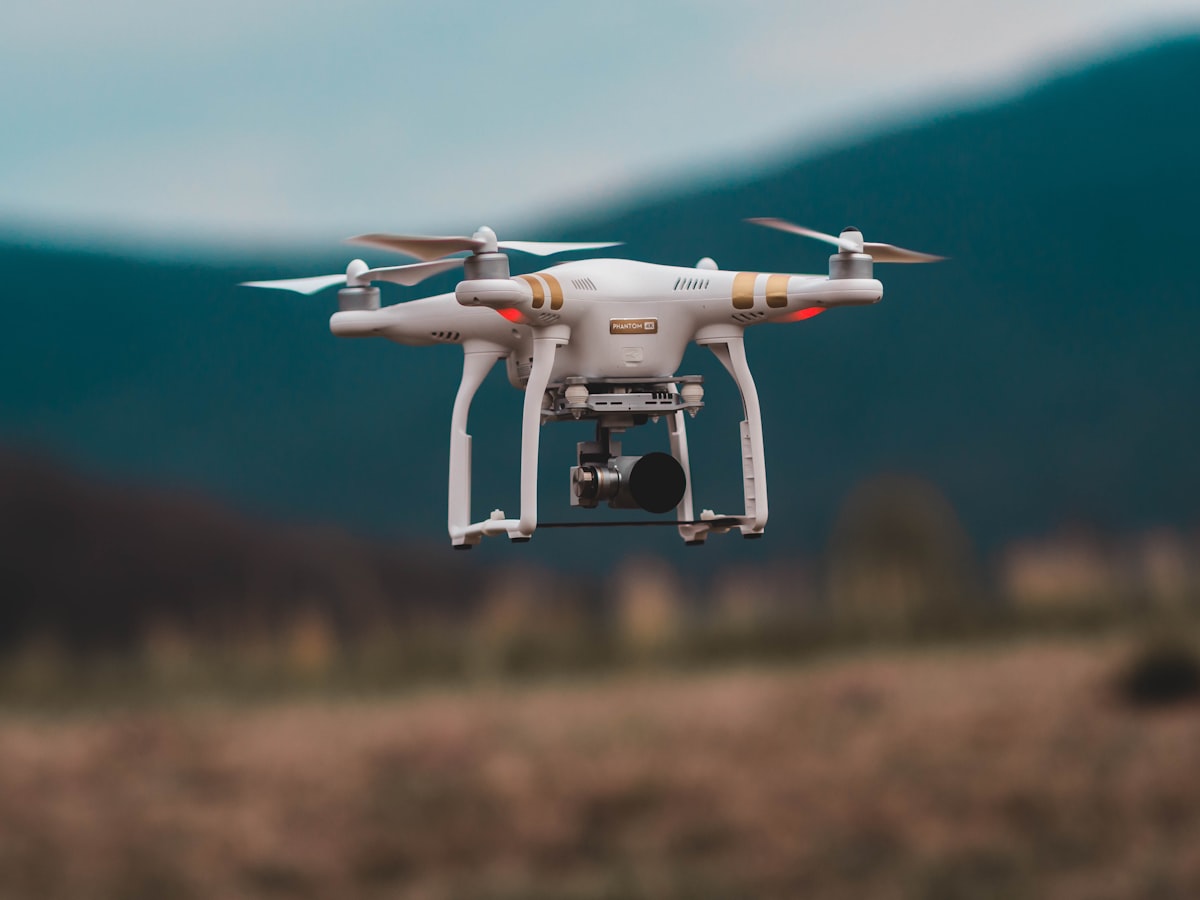
Night flying is allowed under EASA Regulation 2019/947, but your drone must display a flashing green light so it can be seen and its orientation recognised in the dark. Beyond that hardware requirement, the real challenge of night operations is that you lose the visual cues you rely on by day, which makes planning, orientation awareness and lighting far more important than usual.
This guide explains the rules and safe practice for flying drones at night as of 2026.
Is night flying legal under EASA rules?
Yes. EASA rules permit drone operations at night in both the Open and Specific categories, provided you meet the applicable requirements. The regulation removed earlier blanket night restrictions, so night flying is now a normal part of the framework rather than a special exception.
The key conditions:
- A flashing green light must be active on the drone at night so it remains conspicuous and its orientation is recognisable.
- The usual category rules still apply, including weight, distance from people and airspace restrictions.
- Visual line of sight must still be maintained, which at night means keeping the drone’s lights in sight, aided by a visual observer if needed.
- Specific category operations at night may carry extra conditions in your operational authorisation.
Night does not relax the rest of the rules. Everything you must do by day still applies, plus the added lighting requirement and the practical difficulties that darkness introduces.
Why is a green flashing light required?
The flashing green light lets you and others see the drone and judge its orientation and direction of travel in the dark, when the airframe itself is invisible. Without it, you cannot reliably tell which way the drone is facing, which makes safe control almost impossible at any distance.
What the light does:
- Conspicuity: it makes the drone visible against a dark sky so you and any observers can track it.
- Orientation: a flashing pattern helps you judge which way the drone is pointing and moving.
- Compliance: it satisfies the EASA requirement for night operations.
Confirm the exact light specification your drone must carry and how it should flash with your drone’s documentation and your national aviation authority (NAA), because details can vary. Many modern drones include a compliant light, but older or self-built aircraft may need one fitted. Do not rely on standard position lights alone unless they meet the requirement.
What makes night flying more dangerous?
The main hazard of night flying is losing the visual references that let you judge distance, orientation, obstacles and the drone’s position, so the risk of disorientation and collision rises sharply. Even experienced day pilots find their situational awareness degrades once the light fails.
The specific challenges:
- Orientation confusion: without seeing the airframe, telling front from back relies entirely on lights.
- Invisible obstacles: trees, wires, poles and buildings are hard or impossible to see in the dark.
- Distance misjudgement: it is far harder to tell how far away or how high the drone is.
- Harder emergency handling: a lost-link or low-battery event is more stressful when you cannot see clearly.
- Reduced ground awareness: people and hazards on the ground are less visible too.
These challenges compound each other. A situation that is routine by day, such as a return-to-home over trees, becomes genuinely risky at night if you have not planned for the loss of visual cues. Preparation is what keeps night flying safe, and understanding your drone’s failsafe behaviour is part of that, which the dronexamine material helps you revise.
How do you plan a safe night operation?
Survey the site in daylight, plan your flight and obstacles in advance, and set up lighting so you always know where the drone is and where the hazards are. The single most effective safety measure is knowing the location before dark, so nothing surprises you once the light is gone.
A safe night plan includes:
- Daylight recce: walk the site in daylight and note every obstacle, wire and structure you cannot see later.
- Obstacle map: plan a flight path and altitude that stays clear of hazards you have identified.
- Lighting: ensure the drone’s flashing green light works, and consider extra orientation lights and take-off-site lighting.
- Home point and failsafes: set and verify your home point, and know the return-to-home altitude clears every obstacle.
- Observer: consider a visual observer to help maintain awareness and watch for other traffic.
- Weather and battery: cold nights sap battery capacity, so plan conservative flight times.
Rehearse your emergency actions before you need them. Knowing exactly what your drone does on lost link or low battery, and that its return path is clear, turns a night emergency from a crisis into a managed event.
What role do lights and sensors play at night?
Beyond the required green flashing light, orientation lights, obstacle sensors and thermal cameras all help you operate more safely and effectively in the dark. Each addresses a different part of the visibility problem that darkness creates.
Useful aids:
- Flashing green light: mandatory for conspicuity and orientation.
- Additional orientation lights in different colours front and rear help you read the drone’s heading.
- Obstacle avoidance sensors may work less reliably in darkness, so treat them as a backup, not a primary defence.
- Thermal cameras reveal warm objects, people and animals that are invisible to a normal camera at night.
- Ground lighting at your take-off and landing site aids safe launches and recoveries.
Do not over-trust automated systems at night. Obstacle sensors that perform well by day can be degraded in darkness, so your planning and orientation awareness remain the real safeguards.
Common questions
Do I need any extra qualification to fly at night? Not specifically for the Open category beyond your normal competency, but you must meet the night lighting requirement and all standard category rules. Specific category night operations may carry extra conditions in your authorisation. Check with your NAA whether your intended night operation adds any requirements beyond the flashing green light and your existing certificate.
Does the green light have to be flashing, not steady? The requirement is for a flashing green light to aid conspicuity and orientation, so a steady light does not satisfy it. Confirm the exact specification and flash characteristics with your drone’s documentation and your NAA. Many modern drones include a compliant light, but verify yours meets the standard rather than assuming any green LED qualifies.
Can obstacle avoidance keep me safe in the dark? Not reliably. Many obstacle sensors work less well or not at all in darkness because they depend on visible light or clear conditions. Treat them as a backup only. Your real protection at night is a daylight site survey, a planned obstacle-free flight path and disciplined orientation awareness, not automated collision avoidance.
Is night flying worth it for commercial work? Often yes. Night reveals what daytime cannot, such as thermal patterns on buildings and solar farms, light trails in photography, and heat signatures in search work. These jobs can command premium fees. The trade-off is higher risk and more planning, so build night experience gradually before taking on demanding paid night operations.
Your next step
Before your first serious night flight, survey the site in daylight, confirm your drone carries a compliant flashing green light, and verify your home point and return-to-home altitude clear every obstacle. Build night experience in easy, open locations first. Use the dronexamine guides to confirm the night requirements for your category and to revise your drone’s failsafe behaviour before flying after dark.
Related articles
Search and rescue drones, tactics, sensors and rules
How drones support search and rescue with thermal and zoom sensors, how EASA rules and BVLOS apply, and what training SAR drone crews need in 2026.
Thermal cameras on drones, how they work and when to use them
How drone thermal cameras work, what resolution and radiometric data mean, and which inspection, search and agriculture tasks justify a thermal payload in 2026.
GPS interference and jamming, flying drones safely
How GPS jamming and interference affect drones, how to recognise it, and how to fly safely when your positioning is unreliable. Practical safety guidance.