Maximum drone altitude under EASA rules explained
How high can you fly a drone in the EU? The 120 metre EASA limit, how it is measured, exceptions near obstacles, and Specific category rules for 2026.
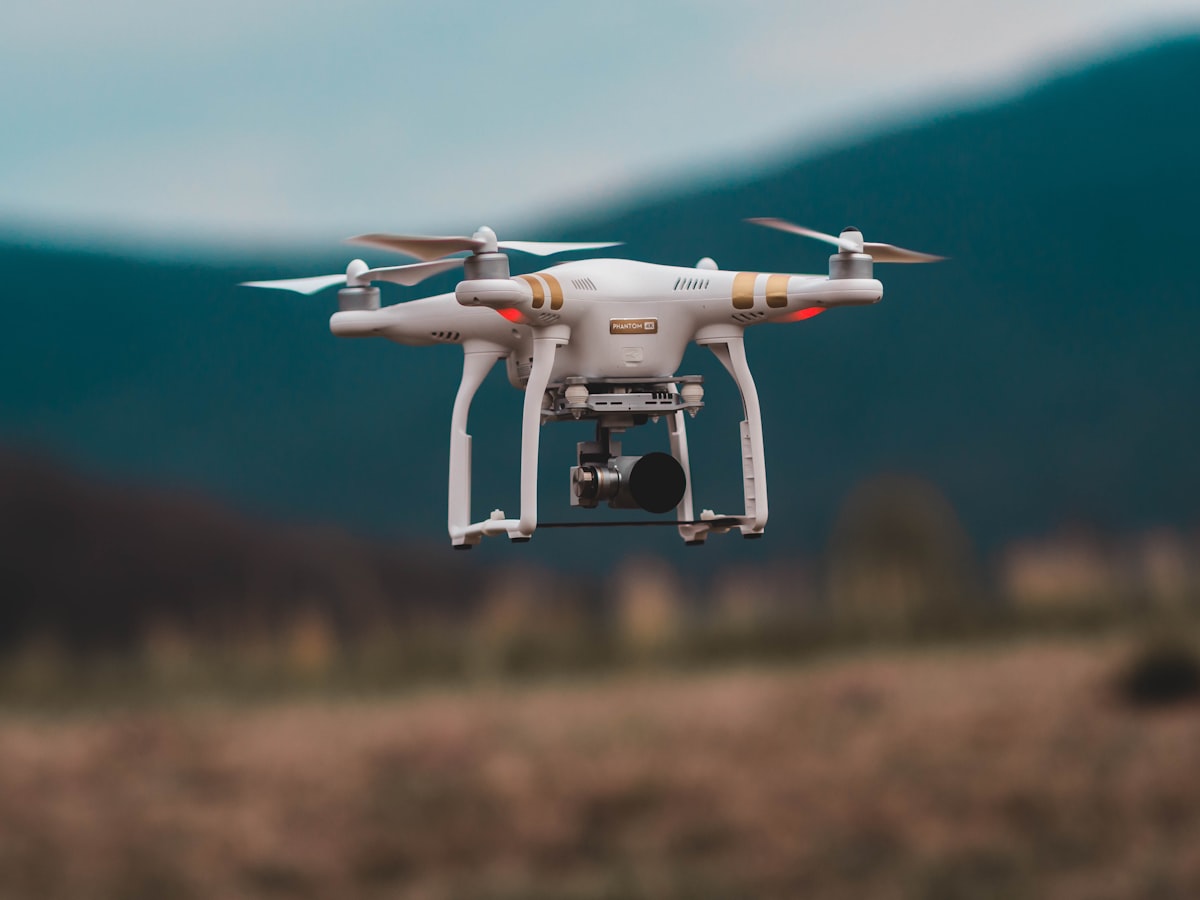
The standard maximum height in the EASA Open category is 120 metres above the closest point of the surface of the earth, as set by Regulation 2019/947. That limit is measured relative to the ground beneath the drone rather than from your take-off point, which changes how it applies over hills, buildings and tall structures.
This guide explains exactly how the 120 metre rule works, the exceptions around obstacles, and when you can go higher.
What is the maximum altitude in the Open category?
As of 2026 the Open category height limit is 120 metres above the closest point of the surface, and it applies across EASA member states. It is a height above ground, not an altitude above sea level, so the reference moves as the terrain beneath the drone changes.
The essentials:
- The limit is 120 metres above the surface, measured to the closest point of the ground below the aircraft.
- It applies throughout the Open category regardless of subcategory.
- It is a ground-relative height, not a fixed sea-level altitude.
- Local geographical zones can lower this limit or restrict flight entirely.
So the same drone can be legal at one moment and illegal seconds later if it flies out over a valley where the surface drops away and the vertical distance to the ground exceeds 120 metres.
How is the 120 metre limit measured?
It is measured from the drone straight down to the closest point of the surface, which means over sloping ground the allowed height effectively follows the terrain. Your controller usually shows height relative to take-off, so on uneven ground that reading can differ significantly from the legal reference.
Consider these cases:
- Flat ground: take-off-relative height and surface height match, so the display is a good guide.
- Flying uphill: the rising terrain reduces your available height, because the surface is closer beneath you.
- Flying out over a drop: the surface falls away, so you can breach 120 metres above the valley floor while the display still reads a lower number.
Because the controller reads from take-off, not from current terrain, judging the true limit over hills requires care. If you are unsure how it applies to a particular site, confirm with your national aviation authority (NAA).
What is the exception for flying near tall obstacles?
Near tall structures you may be allowed to fly higher than 120 metres in a limited way, typically to 15 metres above the obstacle, with the operator’s or structure’s agreement and within a small horizontal distance of it. This lets you inspect towers, chimneys and similar structures without automatically breaching the height rule.
As a general guide under EASA rules as of 2026:
- You may fly up to 15 metres above the height of an obstacle taller than 105 metres.
- You must stay within a defined horizontal distance of that obstacle, commonly 50 metres.
- The person responsible for the obstacle should request or agree to the operation.
This is a narrow allowance for working close to tall structures, not a general permission to climb higher. Confirm the exact conditions and any national specifics with your NAA before relying on it, since interpretation can vary. The dronexamine study material walks through this obstacle exception so you apply it correctly.
Can you legally fly higher than 120 metres?
Yes, but generally only in the Specific category with an operational authorisation, or under specific arrangements defined by your NAA. Flying above the Open category ceiling is not a matter of judgement on the day; it requires prior approval that assesses and mitigates the added risk.
Routes to greater height include:
- Specific category authorisation, where your operation is assessed and approved with conditions above the standard limit.
- Model aircraft club authorisations, which may permit higher flight under a club’s own approved framework.
- The obstacle exception, within the narrow limits described above.
In every case the higher operation comes with defined conditions rather than a blanket allowance. If your task genuinely needs altitude beyond 120 metres, plan for the Specific category and apply to your NAA well in advance.
Why does the altitude limit matter so much?
The 120 metre ceiling keeps drones well below most crewed aircraft, which is fundamental to airspace safety. Manned aviation, including helicopters and low-flying operations, relies on drones staying low, so breaching the limit is not a technicality; it is a genuine collision risk.
Keep in mind:
- Helicopters, air ambulances and agricultural aircraft can operate at low levels.
- Staying at or below 120 metres preserves the separation the system depends on.
- Near airports and in certain zones the effective limit is much lower.
Respecting the ceiling is one of the clearest safety obligations you carry as a pilot, and it is checked easily after an incident from flight logs.
Common questions
Is the limit 120 metres above me or above sea level? Neither exactly. It is 120 metres above the closest point of the surface beneath the drone. On flat ground that is close to your take-off-relative height, but over hills it follows the terrain. It is not measured from sea level and not fixed to your launch point. Confirm the application to your site with your NAA.
Can I fly at 120 metres anywhere in the Open category? Not always. The 120 metre figure is the general Open category ceiling, but geographical zones near airports and other sensitive areas can impose a much lower limit or ban flight entirely. Always check the national zone map, because the local limit can be far below 120 metres.
How do I stay legal flying over a hillside? Remember the limit follows the terrain, and your controller reads height from take-off. Flying uphill reduces your available height, and flying out over a drop can breach the limit above the lower ground. Keep well within margins on uneven terrain and, if unsure, confirm the correct interpretation with your NAA.
Do I really need the obstacle owner’s agreement to inspect a tall tower? Under the obstacle exception, the operation is generally tied to the structure’s responsible party requesting or agreeing to it, within tight height and distance limits. This is not a free pass to exceed 120 metres wherever you like. Confirm the precise conditions and any national requirements with your NAA before planning the flight.
Your next step
Before your next flight, check the local geographical zones for any reduced height limit, and remember that the 120 metre ceiling is measured from the surface beneath the drone, not from take-off. If your task needs more height, plan for the Specific category and apply to your NAA in advance. Work through the dronexamine guides to master how the height limit and the obstacle exception apply so you stay safely below crewed aircraft on every flight.
Related articles
Flying drones in the mountains safely under EASA
How to fly a drone in the mountains: altitude density, wind, cold batteries, terrain-relative height and EASA rules for high-terrain pilots in 2026.
Drone distance from airports under EASA rules
How far from an airport can you fly a drone? How EASA geographical zones, control zones and airport rules define drone no-fly areas, explained for 2026.
What is U-space, the future of drone airspace explained
What U-space means under EU rules, which services it provides, and how designated U-space airspace changes drone operations for professionals in 2026.