Flying drones in the mountains safely under EASA
How to fly a drone in the mountains: altitude density, wind, cold batteries, terrain-relative height and EASA rules for high-terrain pilots in 2026.
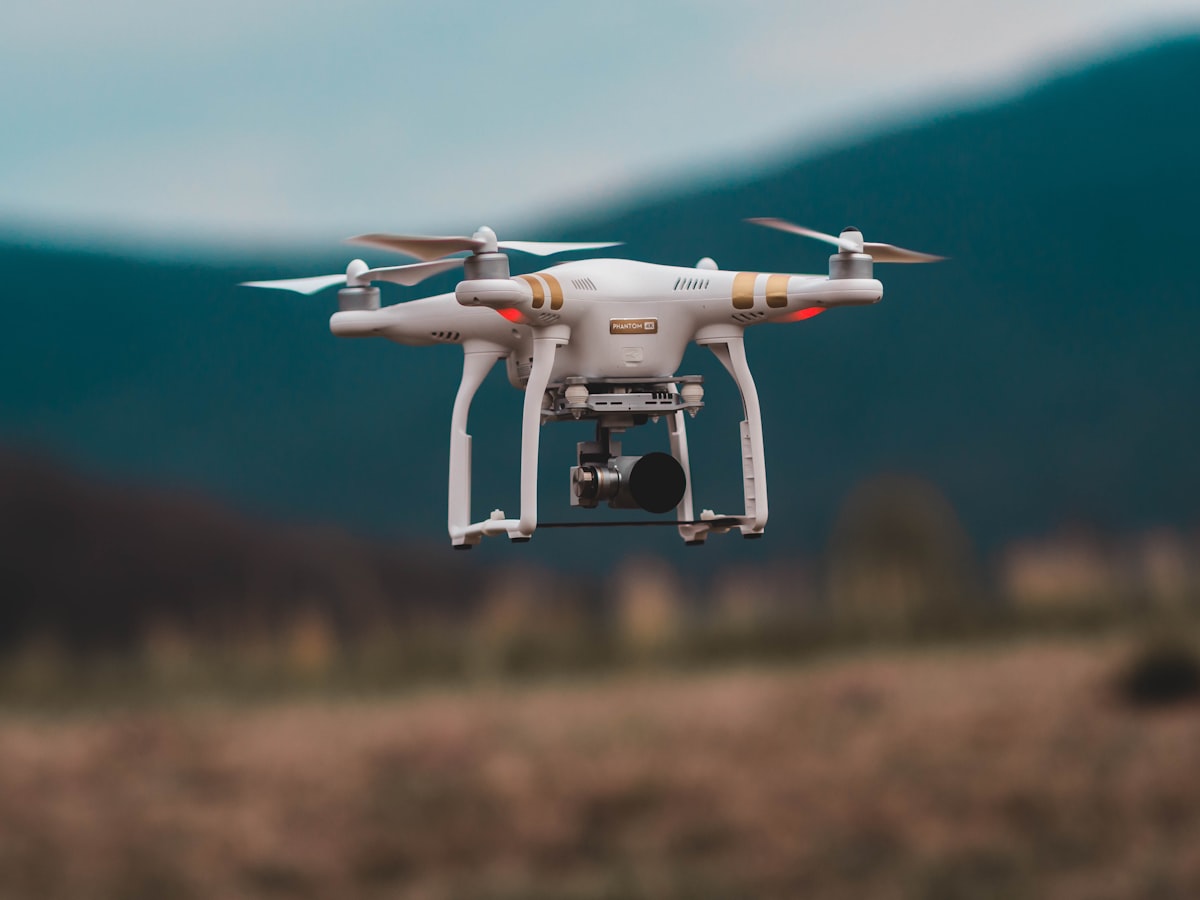
Flying in the mountains is legal under EASA rules but demanding, because thin air, strong winds and cold batteries all reduce performance while steep terrain complicates the height limit. The regulation still requires you to stay within visual line of sight and within your maximum height above the surface, and mountains make both harder to judge than anywhere else.
This guide explains the specific mountain hazards and how the EASA height limit works over sloping ground.
Is mountain flying legal under EASA rules?
Yes, subject to the usual operational category, visual line of sight and geographical zone rules, but mountain terrain adds practical constraints and sometimes local restrictions. Many mountain areas overlap with national parks, nature reserves or protected zones, so the airspace status is not automatically open.
Regulatory points to check as of 2026:
- Your subcategory still depends on drone weight and distance from uninvolved people, including hikers and climbers.
- Mountain regions often sit inside protected-area or wildlife geographical zones.
- Some high terrain lies under controlled airspace or near mountain airfields and heliports.
Before you climb with a drone in your pack, check the national geographical zone map for the exact area. A remote peak can still be inside a restricted zone.
How does altitude affect drone performance?
Thinner air at altitude reduces lift, so your motors work harder, flight time drops and the drone becomes less responsive, especially on climbs. The higher you fly above sea level, the more this density effect matters, and it compounds with cold and wind.
What high elevation does to your aircraft:
- Reduced lift means the propellers must spin faster for the same thrust.
- Shorter flight times because the motors draw more current to stay airborne.
- Slower climbs and sluggish response, particularly when maneuvering hard.
- Higher stress on the powertrain, which can shorten battery life over a session.
Plan for less endurance and less margin than the specifications suggest, and treat manufacturer flight times as best-case sea-level figures. Understanding these performance limits is part of the airmanship the dronexamine material encourages alongside the regulations.
How does the EASA height limit work over sloping ground?
The Open category height limit is measured relative to the surface, so over a slope your allowed altitude effectively follows the terrain rather than a flat ceiling. As of 2026 the standard Open limit is 120 metres above the closest point of the surface, which becomes tricky when the ground drops away beneath you.
Key implications:
- Flying out over a valley, the surface below can fall away, so the vertical distance to it grows even if your drone holds a constant height on the display.
- The limit references the closest point of the surface, so terrain that rises toward you reduces your available height.
- Your controller’s altitude reading is relative to take-off, not to the terrain currently beneath the drone.
This mismatch is the classic mountain error: pilots fly level off a ridge and unintentionally end up hundreds of metres above the valley floor. If you are unsure how the height limit applies to a specific slope, check the exact rule with your national aviation authority (NAA).
How do wind and cold change your planning?
Mountain wind is stronger, gustier and less predictable than in the lowlands, and cold rapidly saps battery capacity. Both cut into your safety margins at the same time, so conservative planning matters more here than anywhere.
Plan for:
- Ridge and valley winds that accelerate around terrain and can exceed forecasts at altitude.
- Sudden gusts and rotor turbulence on the lee side of ridges and peaks.
- Cold batteries, which lose usable capacity and can trigger sudden voltage sag.
- Rapid weather change, as mountain conditions can shift within minutes.
- Warm your batteries before flight and keep spares insulated close to your body.
Fly the outbound leg into the wind so you return with it, and land with a larger reserve than usual because cold can make the remaining percentage disappear faster than expected.
How do you handle emergencies and retrieval in the mountains?
Steep, remote terrain makes a lost or crashed drone hard and sometimes dangerous to recover, so avoid the situation rather than plan to fix it. A forced landing on a cliff or in dense forest may be unreachable, and chasing a drone across exposed terrain risks your own safety.
Sensible precautions:
- Keep generous battery reserves so you never rely on a marginal return-to-home.
- Set a return-to-home altitude that clears the terrain and obstacles on your route.
- Maintain visual line of sight, which distance and terrain can quietly erode.
- Never put yourself in danger to retrieve a drone on steep or exposed ground.
Return-to-home in mountains needs particular care, because a straight-line return can fly the drone into a slope if the return altitude is set too low.
Common questions
Does the 120 metre limit mean I can fly 120 metres above the valley floor from a summit? No. The Open category limit is measured from the closest point of the surface, not from the valley floor. Flying out from a summit does not give you extra height allowance over the valley. In practice the limit follows the terrain, and misreading this is a common mountain mistake. Confirm the exact application with your NAA.
Why does my drone lose so much flight time up high? Because thinner air and cold both reduce performance. At altitude the motors work harder for the same lift, and cold reduces battery capacity, so real flight times fall well below sea-level specifications. Plan for shorter flights, warm your batteries, and keep a larger reserve than you would at low elevation.
Can I fly in a mountain national park? Only if that specific park allows it. Many mountain areas are protected and restrict or ban drones to guard wildlife and visitor experience. Check the national geographical zone map and the park authority’s rules, and seek any required permit before flying. Do not assume remoteness means the airspace is open.
How do I keep my batteries warm on a cold summit? Keep spares insulated and close to your body until just before use, and avoid launching with a cold pack. Cold batteries lose capacity and can sag suddenly under load. Warming them improves both flight time and safety. Land with extra reserve because cold makes the remaining charge less reliable.
Your next step
Before a mountain flight, check the geographical zones, understand how the terrain-relative height limit applies to your slope, and plan for reduced performance from altitude, wind and cold. Warm your batteries, set a terrain-clearing return altitude, and keep a generous reserve. Use the dronexamine safety guides to build the planning habits that keep high-terrain flights inside both the rules and your aircraft’s real limits.
Related articles
Flying a drone in wind, limits and reading conditions
How much wind is too much for a drone, how to read conditions, and safe techniques for gusty flying. Concrete wind speed guidance and forecast tips.
Flying a drone in winter, cold-weather safety guide
How cold weather affects drone batteries, flight time and safety. Concrete temperature limits, warm-up tips and condensation advice for winter flying.
LiPo battery care for drones, storage and charging
How to store, charge and handle LiPo drone batteries safely. Concrete voltage numbers, storage tips and disposal advice to make packs last longer.