Flying a drone in winter, cold-weather safety guide
How cold weather affects drone batteries, flight time and safety. Concrete temperature limits, warm-up tips and condensation advice for winter flying.
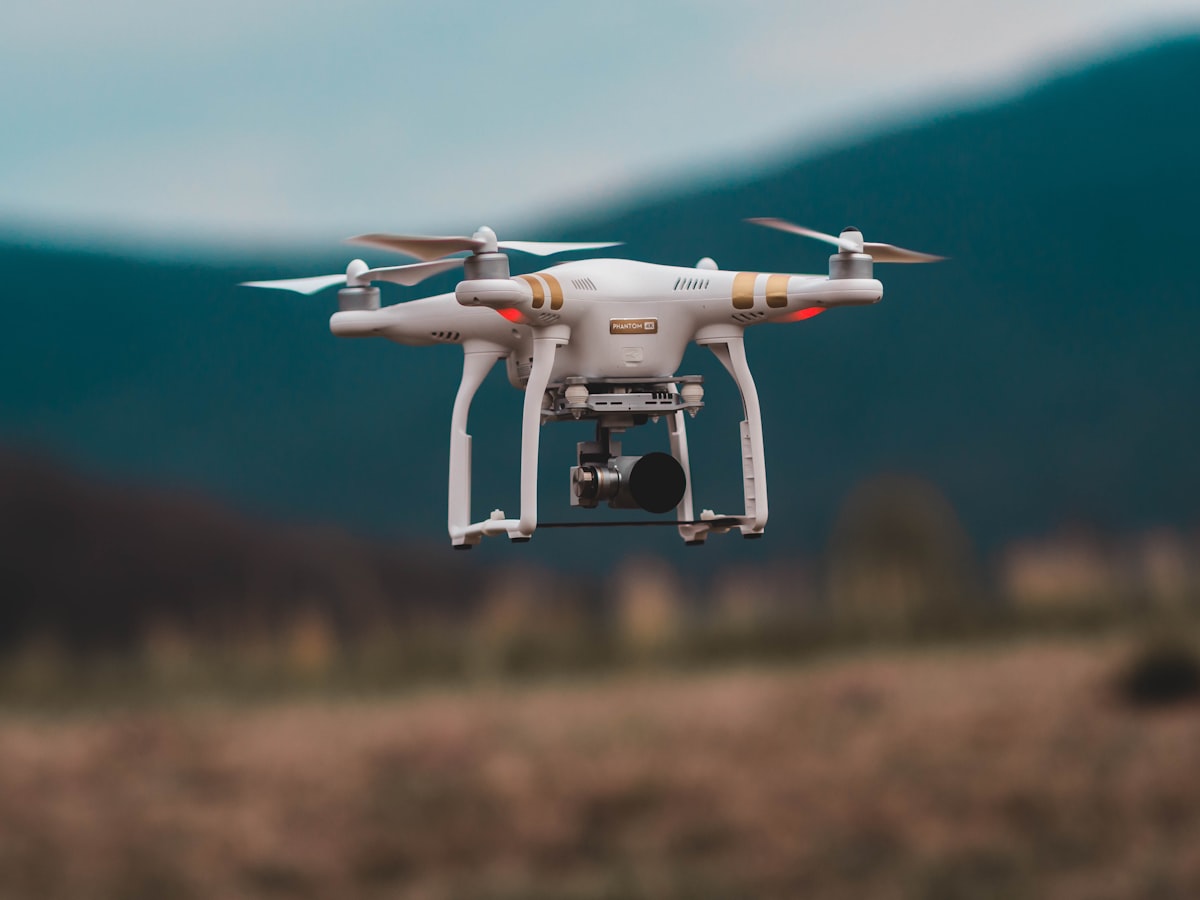
Cold weather cuts battery capacity, shortens flight time and raises the risk of sudden voltage drops, so winter flying needs warm batteries, shorter sorties and larger margins. Land earlier than usual and treat any low-voltage warning as immediate, because cold cells fail faster than warm ones.
Here is how to fly safely in the cold as of 2026, without damaging your gear or losing an aircraft.
How does cold weather affect drone batteries?
Cold slows the chemical reaction inside LiPo cells, which reduces available capacity and makes voltage sag hard under load. A pack that gives 25 minutes in mild weather might give 15 or fewer near freezing, and a cold cell can drop voltage suddenly when you demand power.
The practical effects:
- Shorter flight time, often a noticeable reduction below 10 degrees Celsius and worse near or below freezing.
- Voltage sag under throttle, which can trigger low-battery warnings or even a forced landing sooner than expected.
- Higher risk of an abrupt cutoff if a cold pack is pushed hard while already depleted.
Most manufacturers specify a minimum operating temperature, commonly around 0 degrees Celsius for the battery, and some drones refuse to take off until the pack reaches a safe temperature. Check your manufacturer’s stated limits before flying in the cold.
How do you warm up batteries before a winter flight?
Keep packs warm before use, ideally above 20 degrees Celsius, and let the drone hover for a minute after takeoff so the battery self-heats before you fly hard. A warm battery holds voltage far better and gives you back much of the lost flight time.
Warm-up tactics:
- Store batteries indoors or in an insulated bag with a hand warmer until just before flight. Do not place a heat source directly against a pack.
- Insert the battery only when you are ready to fly, not minutes in advance in the cold.
- After takeoff, hover gently for 30 to 60 seconds. The current draw warms the cells internally, which improves performance.
- Many drones show battery temperature in the app. Wait for it to reach the manufacturer’s recommended range before demanding full power.
Never charge a cold battery. Charging below the manufacturer’s minimum, often around 5 degrees Celsius, can plate lithium inside the cell and cause permanent damage. Let packs reach room temperature before charging.
What temperature is too cold to fly?
Respect the manufacturer’s stated minimum, which for many consumer drones is around 0 degrees Celsius for operation, and fly with extra caution well before that. Below freezing you should expect reduced performance, and hardware such as gimbals and vision sensors may behave unpredictably.
Guidance for cold conditions:
- Above 10 degrees Celsius: mild effects, mostly a small reduction in flight time.
- 0 to 10 degrees Celsius: warm your batteries, hover to preheat, and land with a larger reserve.
- Below 0 degrees Celsius: fly only if the manufacturer permits it, keep flights short, and accept significantly reduced endurance.
Wind chill on the aircraft matters too. A cold day with strong wind compounds both the temperature and the load on the battery, so read conditions together rather than in isolation.
How do you avoid condensation and moisture damage?
Let cold gear warm up gradually and avoid moving it fast between cold and warm environments, because rapid temperature change causes condensation on and inside electronics. Moisture on circuit boards is a real risk when you bring a freezing drone into a warm car or house.
To manage condensation:
- When you finish flying, place the drone and batteries in a bag before bringing them into a warm room, and let them acclimatise slowly.
- Do not power on a drone that has visible moisture or has just come in from severe cold.
- Watch for fogging on the camera lens, which signals condensation and can also form internally.
- In falling snow, remember most consumer drones are not weather-sealed. Even light snow melting on the airframe can reach the electronics.
Building this kind of environmental awareness is part of flying responsibly, and the dronexamine trainer covers the safety and operational reasoning that sits behind these habits.
What else changes when flying in snow and low light?
Snow confuses vision sensors, low winter sun creates glare and long shadows, and shorter days push flights toward twilight, all of which affect safety. Downward vision positioning can struggle over uniform white snow, and obstacle avoidance may misjudge distances.
Winter-specific care:
- Over fresh snow, downward sensors may lose their reference. Fly with GPS positioning and be ready for less precise low-altitude hold.
- Low sun angle causes strong glare and can wash out your screen. Use a sunshade and position yourself with the sun behind you where practical.
- Plan for early darkness. Flying at night has its own rules in EASA countries, so confirm what your national aviation authority requires for night operations.
- Cold hands reduce control precision. Wear thin gloves that keep dexterity, and keep your controller warm.
Wet or slushy landing sites can splash the underside of the drone, so choose a clean, dry takeoff and landing spot such as a mat or hard clear surface.
Common questions
Can I fly my drone in snow? Most consumer drones are not weather-sealed, so flying in falling or settling snow risks moisture reaching the electronics. Light dry snow for a short flight may be tolerable for some models, but manufacturers generally advise against it. Check your model’s rating and avoid wet snow entirely.
Why is my flight time so much shorter in winter? Cold reduces the usable capacity of lithium batteries and causes voltage to sag under load, so the drone reaches its low-battery threshold sooner. Warming the pack before flight and hovering to preheat after takeoff recovers much of the lost time, but expect shorter flights in the cold.
Is it safe to fly below freezing? Only if your manufacturer permits it and you take precautions. Warm the batteries, keep flights short, land with a large reserve, and watch battery temperature in the app. Below freezing, voltage can drop suddenly under load, so treat every low warning as an immediate signal to land.
Should I let my drone warm up before flying in the cold? Yes, at least the battery. Keep packs warm before flight, and after takeoff hover gently for 30 to 60 seconds so the cells self-heat before you fly hard. This protects the pack and restores much of the flight time lost to cold.
Your next step
Prepare a simple winter kit before your next cold-weather flight: insulated pouch and hand warmers for the batteries, a lens cloth, a clean landing mat, and thin gloves. Pre-warm your packs, plan a shorter flight, and land with a generous reserve. When you want to deepen the safety reasoning behind these habits, the dronexamine guides connect cold-weather practice to the wider rules on where, when and how you are allowed to fly.
Related articles
LiPo battery care for drones, storage and charging
How to store, charge and handle LiPo drone batteries safely. Concrete voltage numbers, storage tips and disposal advice to make packs last longer.
Flying a drone in wind, limits and reading conditions
How much wind is too much for a drone, how to read conditions, and safe techniques for gusty flying. Concrete wind speed guidance and forecast tips.
GPS interference and jamming, flying drones safely
How GPS jamming and interference affect drones, how to recognise it, and how to fly safely when your positioning is unreliable. Practical safety guidance.