How to choose your first drone by need and class
How to pick your first drone by weight class, use case and budget. Understand C-classes, the sub-250 gram advantage and what features actually matter.
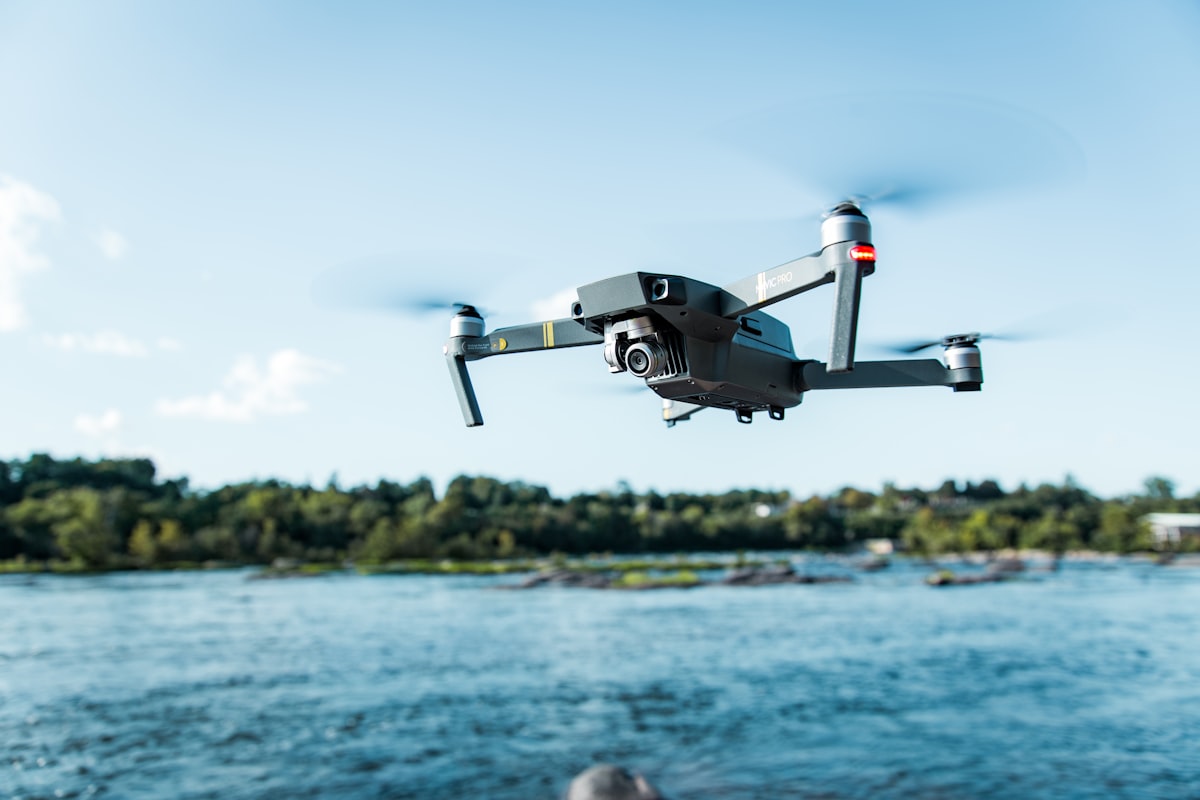
Choose your first drone by starting with weight class, because a sub-250 gram drone faces the lightest rules and is the simplest entry point for most beginners. After weight, match the camera, flight time and features to what you actually plan to do, rather than buying the most expensive option.
This guide walks through the decisions that matter as of 2026, in the order you should make them.
Why does the 250 gram threshold matter so much?
The 250 gram line is the single most important number for a beginner, because drones under it face lighter regulatory requirements in EASA countries. Staying under 250 grams generally means fewer restrictions on where you can fly and simpler entry into the hobby.
Under EASA rules as of 2026, the lightest sub-250 gram drones can typically be flown with minimal formalities compared with heavier aircraft. That does not mean no rules apply, since operator registration, Remote ID and no-fly zones still matter, but the barrier to getting airborne legally is lower.
Why this helps beginners:
- Fewer restrictions on flying near people and in built-up areas, within limits.
- A gentler introduction to regulations while you learn.
- Lighter drones are cheaper to replace if you crash while learning.
The trade-off is that very light drones handle wind poorly and often carry smaller sensors. If image quality or wind stability is your priority, a heavier drone may suit you better, but you accept stricter rules.
What do the C-classes mean when buying a drone?
The C-classes (C0 to C4) are EASA labels that tell you which operational rules a drone fits into, based mainly on weight and features. A C-class marking on a new drone signals where you can legally fly it in the Open category, so it directly affects your buying decision.
In broad terms as of 2026:
- C0: the lightest drones, under 250 grams, with the fewest restrictions.
- C1: under 900 grams, allowing certain closer operations with A1 privileges.
- C2: up to 4 kilograms, tied to A2 privileges and a minimum distance from people.
- C3 and C4: larger drones for the A3 subcategory, flown far from people.
Not every drone on the market carries a C-class label, and rules on unmarked legacy drones vary. Before buying, confirm the drone’s class and what it lets you do with your national aviation authority, since national implementation details differ.
What use case should drive your choice?
Decide what you want to do first, because a drone for cinematic video, casual fun, racing or mapping are genuinely different tools. Buying for the wrong use case is the most common and expensive beginner mistake.
Match the drone to the goal:
- Casual flying and learning: a light, stable, sub-250 gram camera drone with good automation.
- Photography and video: prioritise sensor size, a stabilising gimbal, log profiles and ND filter support over top speed.
- Mapping and surveying: look for automated flight support, good battery life and, for accuracy, RTK positioning.
- FPV and racing: a completely different discipline needing goggles, practice on a simulator and different skills entirely.
Be honest about your real intentions rather than the ones you imagine. Most first-time buyers fly casually and shoot the occasional video, which the mainstream sub-250 gram camera drones handle well. If you are also preparing to fly responsibly, the dronexamine trainer helps you build the operational knowledge that a good drone deserves.
What features actually matter for a beginner?
Prioritise stability, obstacle sensing, flight time and a return-to-home function, because these keep a new pilot out of trouble and protect your investment. Flashy specs like a very high top speed matter far less than features that prevent crashes and lost aircraft.
Features worth paying for:
- GPS position hold and return-to-home, so the drone can come back on low battery or signal loss.
- Obstacle sensing, which helps beginners avoid collisions, though it is an aid, not a guarantee.
- Reasonable flight time, ideally 25 minutes or more per battery so you get real practice per charge.
- A stable gimbal for usable footage.
- A mature app with clear warnings, geofencing and airspace information.
Features you can deprioritise at first: extreme range you will rarely use legally within visual line of sight, and top speed beyond what you can safely control. Range is largely academic when you must keep the drone in sight anyway.
How much should you spend, and what else do you need?
Budget beyond the drone itself, because extra batteries, a case, filters, spare props and a good memory card turn a single-battery toy into a usable kit. A realistic first setup often costs meaningfully more than the drone’s headline price once you add the essentials.
Plan for these extras:
- At least two or three batteries, since a single 25-minute pack limits every session.
- Spare propellers, which you will break while learning.
- A protective case for transport.
- ND filters if you plan to shoot video.
- A fast, reliable memory card with enough capacity for high-bitrate footage.
Consider buying into an ecosystem with good spare-part availability, since repairs and replacements are far easier when parts are stocked. A slightly older model with strong parts support can be a smarter first buy than the newest release.
Common questions
Should my first drone be under 250 grams? For most beginners, yes. Sub-250 gram drones face the lightest rules in EASA countries, are cheaper to replace, and let you learn with fewer restrictions. The main downsides are weaker wind resistance and often smaller sensors, so weigh those against your priorities before deciding.
Do I still have to register a lightweight drone? Usually you must register as an operator if the drone has a camera, regardless of weight, and Remote ID requirements may apply. The exact thresholds depend on your country’s implementation of EASA rules. Check operator registration and Remote ID requirements with your national aviation authority before flying.
Is an expensive drone easier to fly than a cheap one? Often yes, because pricier drones tend to have better GPS, obstacle sensing, return-to-home and stability that keep beginners safe. That said, a good mid-range sub-250 gram drone flies very capably. Spend on stability and safety features rather than top speed or maximum range.
Should I start with an FPV or racing drone? Generally no, unless FPV is specifically your goal. FPV and racing are a distinct, demanding discipline with a steep learning curve and different equipment. Most beginners are better served by a stable GPS camera drone, and can add FPV later after practising on a simulator.
Your next step
Write down your main use case, set your weight class based on where you want to fly, then shortlist two or three drones that fit and compare their spare-part availability and battery life. Budget for extra batteries and a case from the start. Before your first flight, register as required and work through the dronexamine guides so you understand exactly where and how your new drone is allowed to fly.
Related articles
LiPo battery care for drones, storage and charging
How to store, charge and handle LiPo drone batteries safely. Concrete voltage numbers, storage tips and disposal advice to make packs last longer.
Aerial photography settings and ND filters explained
Camera settings for aerial photos and video, when to use ND filters, and how to shoot cinematic drone footage. Concrete shutter, ISO and frame rate advice.
What is Remote ID for drones and do you need it?
Remote ID explained for EASA drone pilots: what it broadcasts, which drones need it, and how it fits Regulation 2019/947. A clear, practical overview.