Foldable vs fixed-arm drones, which design suits you
Compare foldable and fixed-arm drones on portability, durability and reliability so you can pick the right airframe design for how you actually fly.
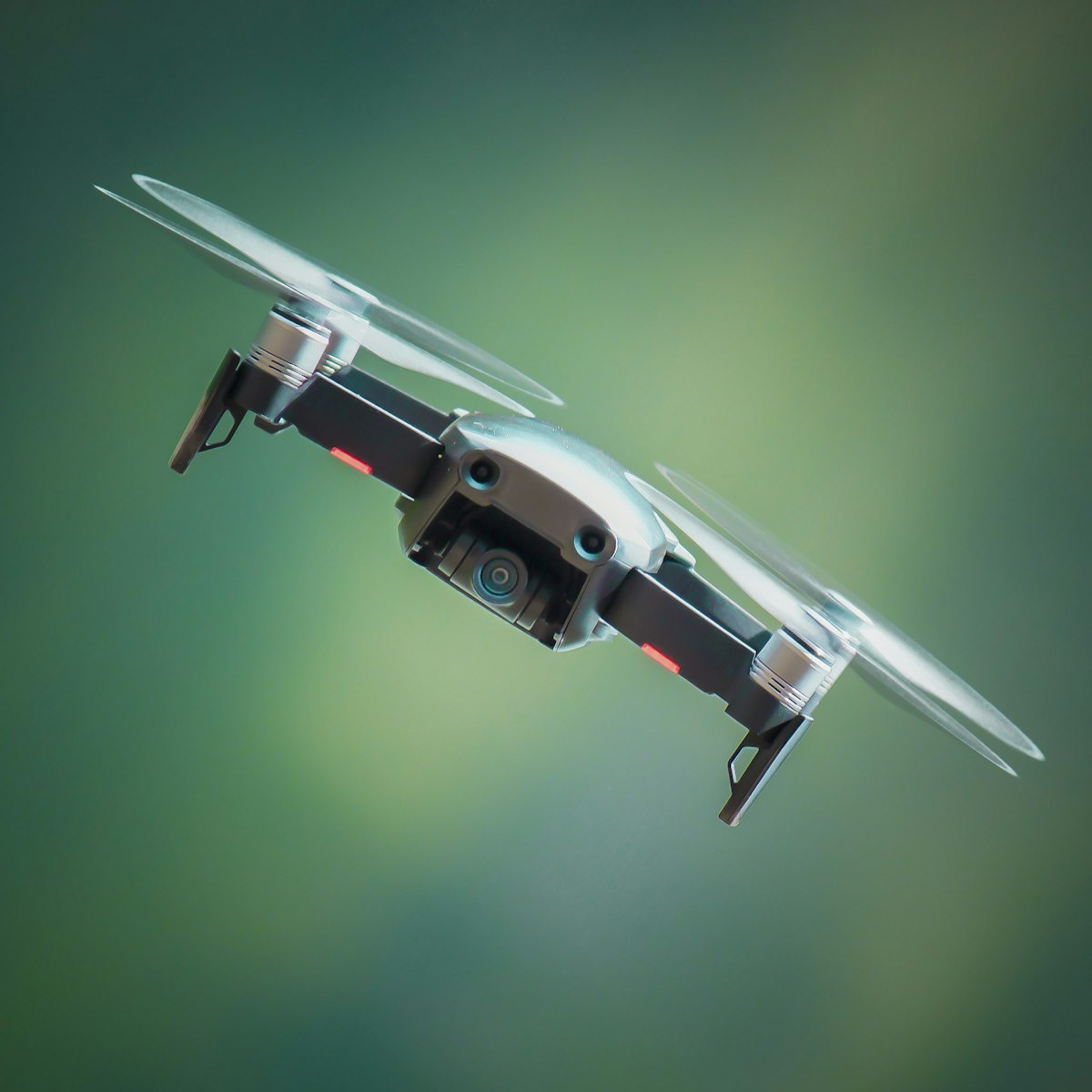
Foldable drones collapse their arms for easy carrying, while fixed-arm drones keep a rigid frame that is sturdier but bulkier. The right choice depends on whether you value portability or maximum durability and reliability for your flying.
Most popular consumer drones as of 2026 use folding arms because portability sells, but fixed-arm designs remain common in heavier and professional platforms. Understanding the trade-offs helps you match the airframe to how and where you actually fly.
What are the advantages of a foldable drone?
Foldable drones win on portability and convenience, packing down small enough to carry anywhere and deploy in seconds. That makes them ideal for travel, hiking and quick opportunistic flights.
Key benefits:
- Compact size. Folded arms shrink the drone to fit a small bag or even a large pocket on some models.
- Fast setup. Unfold the arms, fit the battery and props, and you are ready in moments.
- Travel-friendly. Easy to carry as hand luggage and to bring on trips where a bulky case is impractical.
- Everyday reach. A drone you can carry easily is one you actually use, which is worth more than specs you leave at home.
For most hobbyists and travelling creators, portability is the deciding factor, and foldable designs deliver it well.
What are the advantages of fixed-arm drones?
Fixed-arm drones offer a stiffer, more durable frame with fewer moving joints to wear or fail, which appeals to demanding and professional use. The rigidity can translate into steadier flight and better reliability over time.
Key benefits:
- Structural rigidity. No folding joints means less flex and fewer potential weak points under load.
- Durability. Fewer moving parts means fewer things to loosen, wear or break over many flights.
- Payload capacity. Heavier professional platforms often use fixed arms to carry cameras, sensors and gear reliably.
- Consistency. A rigid frame can help maintain precise, stable flight, valued in mapping and inspection work.
For pilots who fly hard, carry payloads or need maximum reliability, the sturdiness of a fixed frame can outweigh the loss of portability.
Are folding joints a reliability risk?
Folding joints add moving parts, so they can loosen or wear over time, but on well-made modern drones this is a minor concern rather than a common failure. Good maintenance keeps them reliable.
What to keep in mind:
- Wear over time. Repeated folding can eventually loosen a joint, so check that arms lock firmly before every flight.
- Grit and damage. Dirt in the hinges or a knock from a crash can affect how arms seat. Keep them clean and inspect after impacts.
- Locked before takeoff. Always confirm each arm is fully extended and locked. A folded or loose arm at takeoff is dangerous.
- Manufacturer quality varies, so buy from a reputable maker and follow their maintenance advice.
Treated well, folding joints are reliable, but they do deserve a place on your pre-flight inspection that fixed arms do not need.
If you want to connect these hardware choices to the wider rules that govern where and how you fly, the guides and practice questions in the dronexamine trainer give you that context alongside the technical side.
Does the design affect flight performance?
Airframe design has some effect on stiffness and payload, but flight performance depends far more on the motors, software, sensors and gimbal than on whether the arms fold. Do not choose on folding alone.
What really drives performance:
- Flight controller and software tuning, which shape stability and handling.
- Motors and propellers, which determine power, efficiency and wind resistance.
- Weight and aerodynamics, where a well-designed foldable can match a fixed-arm drone.
- Gimbal and sensors, which decide footage quality and safety features.
A modern foldable from a good maker flies just as well as a fixed-arm equivalent for most purposes. The frame is one factor among many.
How do you choose between them?
Choose foldable if portability and convenience matter most, and fixed-arm if you prioritise durability, payload or maximum reliability for demanding work. Match the design to your real flying, not to marketing.
A quick guide:
- Travel, hiking, casual and everyday flying: foldable, for the convenience of always having it with you.
- Professional mapping, inspection or heavy payloads: fixed-arm, for rigidity and reliability.
- Mixed use on a budget: a quality foldable covers most needs well.
- Rough conditions and frequent hard use: lean toward fixed-arm durability.
Be honest about how you fly. The most capable drone is worth little if it is too bulky for you to bring along.
Common questions
Are foldable drones less durable than fixed ones? Slightly, in theory, because of the moving joints, but well-made foldables are robust and reliable in practice. Regular inspection of the arm hinges keeps them safe.
Can I upgrade or repair a folding joint? Some manufacturers sell replacement arms and hinges, but repairability varies by model. Check your manufacturer’s parts and service options before assuming a joint can be fixed.
Do foldable drones fly worse in wind? Not inherently. Wind resistance depends on weight, motor power and software, not on whether the arms fold. Compare the wind resistance figures for the specific models you are considering.
Which is better for a beginner? For most beginners a quality foldable is ideal, combining portability with strong performance. Only choose fixed-arm if you have a specific need for payload or heavy-duty durability.
Your next step
Decide honestly whether portability or maximum durability matters more for the flying you actually do, then compare specific models on motors, sensors and gimbal rather than the frame alone. If you choose a foldable, add the arm-lock check to your pre-flight routine. When you want to link this hardware decision to the rules that govern where you can fly, the guides at dronexamine walk you through the operational side step by step.
Related articles
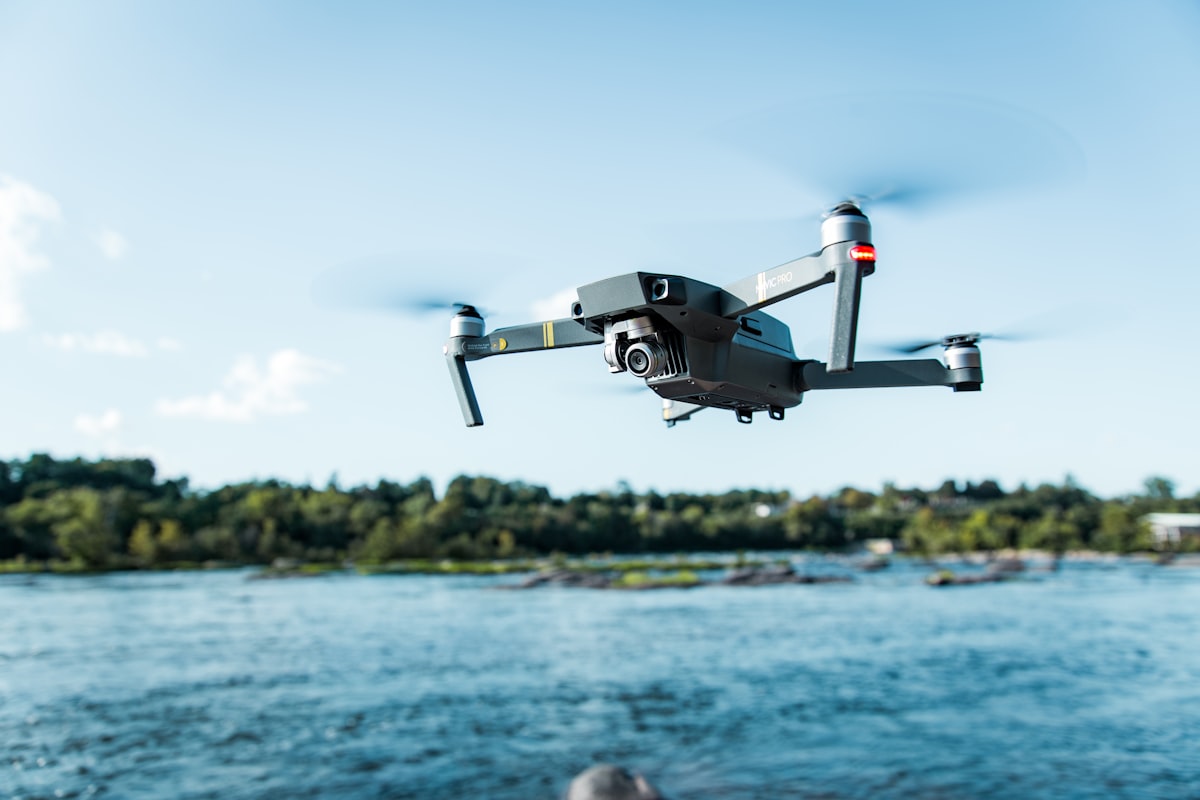
How to choose your first drone by need and class
How to pick your first drone by weight class, use case and budget. Understand C-classes, the sub-250 gram advantage and what features actually matter.
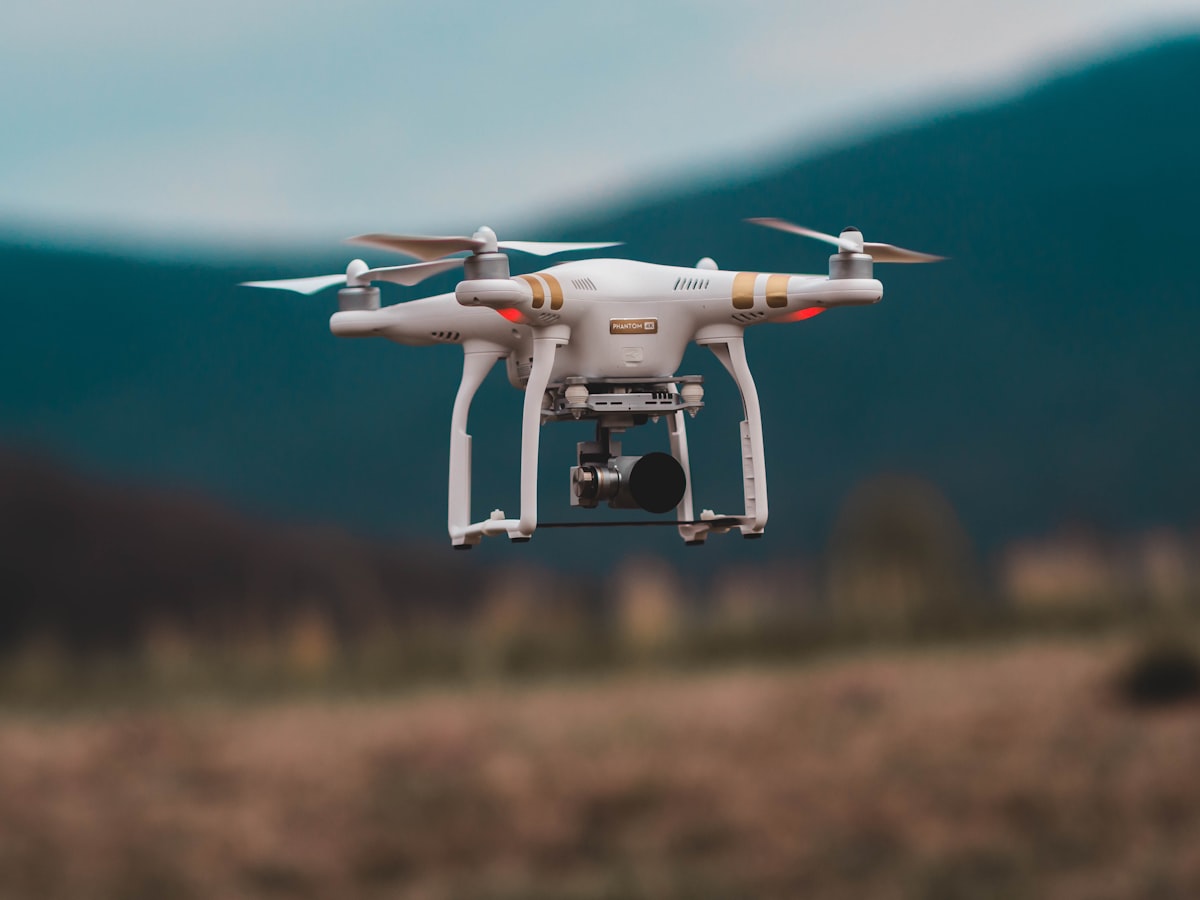
ND filters for drones explained, when and which to use
How neutral density filters control shutter speed for smoother drone video. Learn ND strengths, the 180-degree rule and when filters help or hurt.
How drone gimbal stabilization works and how to keep it
Understand how a 3-axis drone gimbal keeps footage steady, what causes jitter and drift, and how to calibrate and protect it for smooth aerial video.