Drone firmware updates, why they matter and how to do them
A practical guide to updating drone firmware safely, what updates fix, how to avoid a failed update, and what to do when something goes wrong.
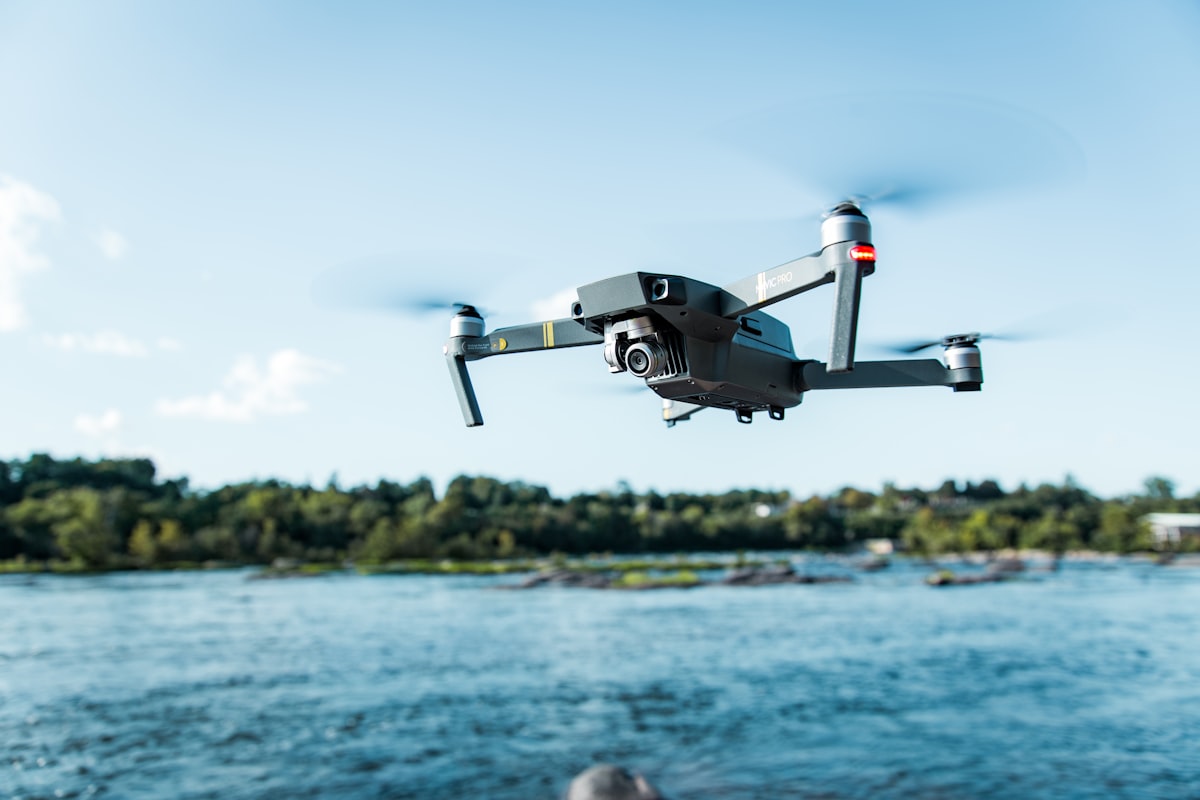
Firmware is the software that runs your drone, controller and batteries, and updating it fixes bugs, patches security holes and keeps you compliant with rules like Remote ID. Skipping updates leaves you flying with known faults and sometimes grounds features you rely on.
Manufacturers push firmware regularly, and as of 2026 some updates are effectively mandatory because they carry safety fixes or regulatory features. Doing them properly is easy once you understand the risks and the routine.
Why do firmware updates matter?
They matter because firmware controls flight stability, safety limits, geofencing and legal features, so an out-of-date drone can fly worse and even fall foul of the rules. An update is not just new features; it is often a correction to something that could fail.
What updates typically deliver:
- Bug fixes that resolve flyaways, gimbal glitches, connection drops and battery reporting errors.
- Safety improvements such as better obstacle avoidance or more reliable return-to-home.
- Regulatory features like Remote ID broadcasting, which some regions require.
- Security patches that close vulnerabilities in the drone or the app.
- New capabilities and support for new accessories.
Because some of these are safety and compliance items, treating updates as optional is a mistake.
How do you update firmware safely?
Charge everything, use a stable connection, and follow the manufacturer’s steps exactly without interrupting the process. A failed update is almost always caused by a rushed or interrupted one.
A safe routine:
- Charge fully. Bring the drone, controller and any batteries you are updating to a high charge, ideally above 50 percent, and keep a charger handy.
- Update indoors on a stable surface with a strong internet connection for the app and a solid link between devices.
- Read the release notes so you know what is changing and whether calibration will be needed afterwards.
- Do not interrupt. Leave everything powered and connected until the app confirms success. Do not close the app, unplug cables or power off mid-update.
- Update related items. Controllers and smart batteries often need their own firmware to match the drone.
- Recalibrate if prompted, running compass, IMU or gimbal calibration as the app requests.
Patience is the whole trick. Most bricked drones come from someone pulling the plug too early.
What can go wrong during an update?
The main risks are an interrupted update, a drained battery mid-flash, or a mismatch between drone and controller versions. Each can leave a device unresponsive until you recover it.
Warning situations:
- Power loss during flashing can corrupt the firmware and leave the device stuck.
- Connection drop between the app and drone can stall the process partway.
- Version mismatch where the drone updates but the controller does not, causing them to refuse to connect.
- Skipped calibration leaving the drone flying oddly after a major update.
If the update stalls, do not immediately yank power. Follow the recovery guidance below and give the process time to resume.
If you want to understand how staying current on safety and Remote ID features connects to the wider rules you fly under, the guides and practice questions in the dronexamine trainer put these updates in their regulatory context.
How do you recover from a failed update?
Stay calm, keep the battery charged, and follow your manufacturer’s recovery procedure, which often involves retrying the update or a factory reset. Many failures look worse than they are and recover on a second attempt.
General recovery steps:
- Retry the update on a full charge and a strong connection. Many stalled updates complete cleanly the second time.
- Restart the app and devices, then reconnect and check whether the update resumes.
- Match versions by updating the controller and drone to the same release.
- Use offline or recovery mode if your manufacturer provides one, following their exact instructions.
- Contact support if the device stays unresponsive, because forcing it can cause more harm.
Never attempt an unofficial firmware from an unknown source. It can permanently damage the drone and is not worth the risk.
Should you always update immediately?
Not always. Balance the benefit of a fix against the small risk of early-release bugs, but never skip updates that carry safety or legal features. Read the notes and decide with that information.
A sensible approach:
- Apply safety and regulatory updates promptly, especially anything about Remote ID, geofencing or flight stability.
- For purely cosmetic or minor feature updates, you may wait a short while to see if others report problems.
- Never fly a version the manufacturer has flagged as having a known safety defect.
- Keep your app updated too, since the app and firmware are designed to work together.
When in doubt, updating is usually the safer choice, because manufacturers release firmware to fix real problems.
Common questions
Can I fly if I skip a firmware update? Sometimes the app will let you, but some updates are enforced and block flight until installed, particularly safety and compliance ones. Even when flight is allowed, you may be missing important fixes.
How long does a firmware update take? Typically a few minutes to around half an hour depending on the update size and your devices. Never rush it. Leave enough time to finish without interruption.
Do I need to update my batteries too? Often yes. Smart batteries run their own firmware and may need updating alongside the drone. The app usually prompts you and handles them one at a time.
Will an update reset my settings? Major updates can reset some settings and calibration. Note your key preferences beforehand and be ready to recalibrate the compass, IMU or gimbal if the app asks.
Your next step
Before your next flight, open the app on a full charge and stable connection and check for pending firmware for the drone, controller and batteries, then apply anything that carries a safety or Remote ID fix. Keeping current is one of the simplest ways to avoid faults in the field. When you want to connect this maintenance habit to the rules you fly under, the guides at dronexamine walk you through the operational side step by step.
Related articles
Common drone faults and how to fix them at home
The most common drone problems, from drift and toilet-bowling to no GPS lock and motor issues, with practical fixes you can try before a repair shop.
Compass and IMU calibration, when and how to do it
When to calibrate your drone compass and IMU, how to do it correctly, and the mistakes that cause drift and toilet-bowling. A practical field guide.
Drone pre-flight checklist for safe, legal flights
A complete pre-flight checklist for drone pilots covering aircraft, environment, airspace and settings so every flight starts safe and legal.