Compass and IMU calibration, when and how to do it
When to calibrate your drone compass and IMU, how to do it correctly, and the mistakes that cause drift and toilet-bowling. A practical field guide.
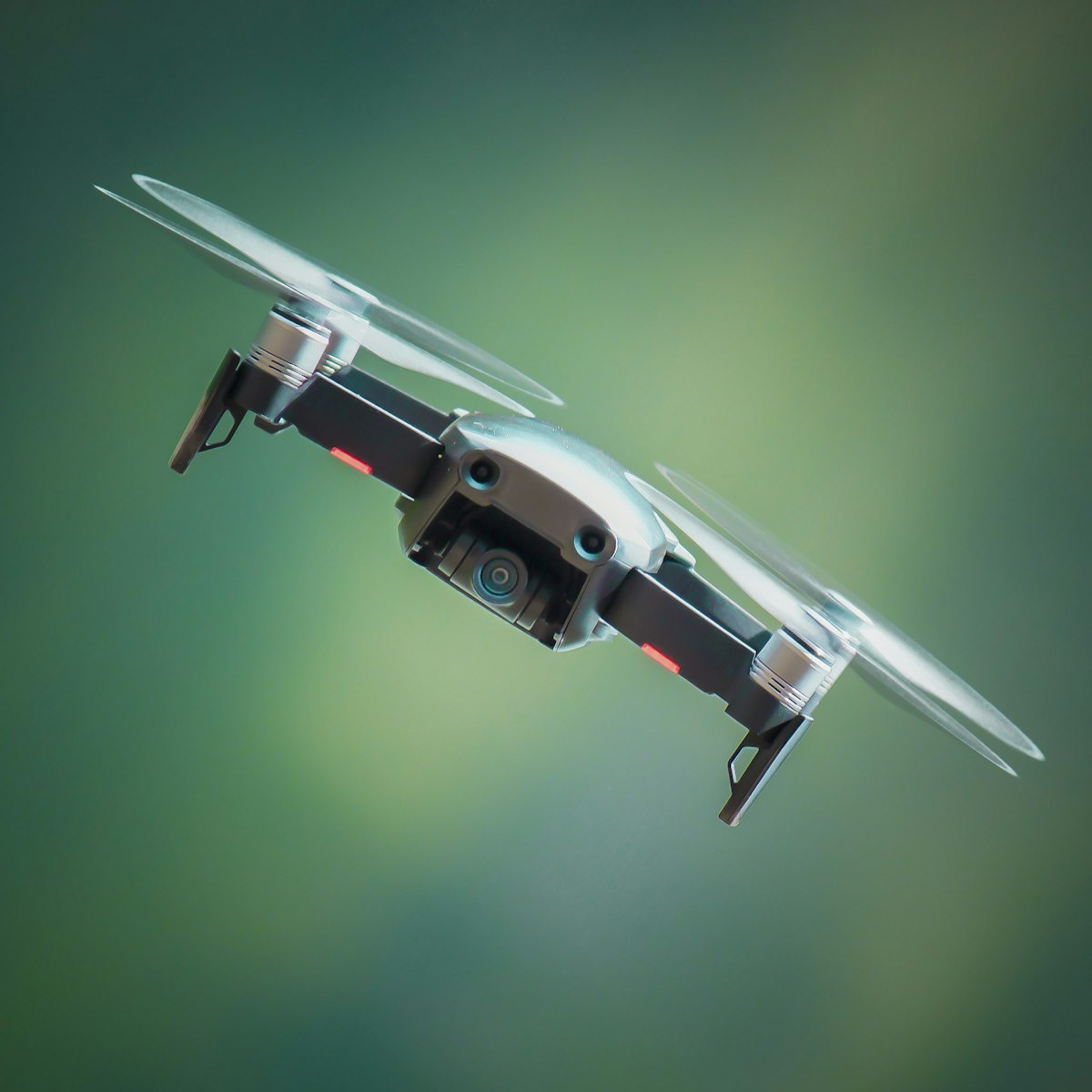
Calibrate the compass and IMU only when your drone asks you to or after a clear trigger, not as a routine ritual. Doing it in the wrong place or without reason often causes the very problems, like drift and circling, that people are trying to fix.
This guide explains what each sensor does, when calibration actually helps, and how to do it properly as of 2026.
What is the difference between the compass and the IMU?
The compass measures magnetic heading so the drone knows which way it points, while the IMU (inertial measurement unit) measures tilt, rotation and acceleration so the drone knows its attitude and motion. They solve different problems and are calibrated separately.
In plain terms:
- Compass keeps your drone oriented and holding position correctly. When it is wrong, you get toilet-bowling and heading errors in GPS modes.
- IMU keeps the drone level and stable. When it is off, you get drift, tilt or unstable hover even in still air.
Understanding which sensor is misbehaving tells you which calibration to run. Random calibration of both, on a bad surface, is a common way to make things worse.
When should you calibrate the compass?
Calibrate the compass when the app prompts you, when you travel a long distance to a new region, or when you see toilet-bowling or heading errors. The compass is sensitive to your location and to nearby magnetic fields, so a fresh site sometimes warrants recalibration.
Good reasons to recalibrate:
- The app or drone explicitly requests it.
- You have flown to a different region far from your last calibration, since the Earth’s magnetic field varies by location.
- The drone circles in position hold or the heading on the map does not match reality.
- You added or removed metal accessories or magnetic mounts.
Reasons that are not good enough on their own: nervousness before a normal flight at your usual field, or a vague sense that it “might help.” Unnecessary compass calibration on a metal-rich surface can inject errors.
When should you calibrate the IMU?
Calibrate the IMU after a firmware update that asks for it, after a crash or hard landing, or when the drone drifts or tilts in a stable hover despite no wind. The IMU needs a perfectly level, stable surface, and calibrating on a slope teaches the drone the wrong idea of level.
Typical triggers:
- A firmware update prompts for IMU calibration.
- The drone will not hold a level hover and drifts consistently in one direction.
- You suspect the aircraft was knocked or dropped.
- Large temperature swings since the last calibration, since some IMUs report a warning.
If the app is not complaining and the drone hovers level, leave the IMU alone. Learning to read these prompts and symptoms is part of the wider operational awareness the dronexamine trainer helps you build.
How do you calibrate the compass correctly?
Move to an open outdoor area away from metal, magnets, cars, rebar, buildings and power lines, then follow the app’s rotation prompts precisely. Location is everything here, because the calibration records the surrounding magnetic field, and a bad field bakes in a bad reference.
Step by step:
- Choose open grass or bare ground, well away from cars, reinforced concrete, metal fences and overhead cables.
- Remove metal accessories, magnetic phone cases and anything ferrous from your pockets if you hold the drone.
- Start the calibration in the app.
- Rotate the drone as prompted, usually horizontally through 360 degrees, then vertically through 360 degrees, smoothly and fully.
- Wait for confirmation, then power cycle if the app suggests it.
If calibration repeatedly fails, your location is the likeliest cause. Walk further from any structures and try again on open ground.
How do you calibrate the IMU correctly?
Place the drone on a genuinely flat, level, stable surface indoors, out of wind and vibration, and do not touch it during the process. The IMU is looking for absolute stillness and true level, so a wobbly table or a sloped floor produces a faulty result.
Best practice:
- Use a level surface. A spirit level or phone level app helps confirm it.
- Work indoors where there is no wind and no ground vibration.
- Keep props off if the app allows, and do not bump the table.
- Follow every orientation the app requests, waiting for each step to register.
- Restart the drone afterwards if prompted.
Never calibrate the IMU in a moving vehicle, on carpet that flexes, or on a tailgate at your flying site. The convenience is not worth a drone that thinks the world is tilted.
What mistakes cause calibration to make things worse?
The biggest mistakes are calibrating in the wrong environment, calibrating without a real reason, and interrupting the process partway. Each teaches the drone a bad reference that it then trusts, producing drift, circling or unstable hover that were not there before.
Watch for these:
- Compass calibration near cars, metal or rebar, which records a distorted field.
- IMU calibration on a slope or unstable surface.
- Stopping or moving the drone before the app confirms success.
- Calibrating repeatedly hoping to brute-force a fix, when the real problem is location, a failing sensor or firmware.
If you have calibrated correctly in a clean environment and the fault remains, suspect a hardware fault or interference rather than calibration, and consider service.
Common questions
Do I need to calibrate before every flight? No. Modern drones as of 2026 do not need routine pre-flight calibration. Calibrate only when prompted or after a clear trigger such as a crash, firmware update or long-distance travel. Frequent unnecessary calibration on poor surfaces is a common source of new problems.
Why does my compass calibration keep failing? Almost always because of your location. Metal, rebar in concrete, cars, fences and power lines distort the magnetic field. Move to open grass or bare earth well away from structures and vehicles, remove magnetic accessories, and try again with smooth full rotations.
Can I calibrate the IMU outdoors? It is possible but risky, because you need a perfectly level, stable, vibration-free and wind-free surface, which outdoor sites rarely offer. If you must, use a solid flat surface confirmed level with a phone app, shielded from wind. Indoors on a level floor is far more reliable.
Will calibration fix a crashed drone? Sometimes. After a crash, an IMU or compass calibration can restore correct behaviour if the sensors were only knocked out of alignment. If the frame, motors or gimbal are damaged, calibration will not help and the drone needs inspection and repair.
Your next step
Before your next session, decide in advance where you would perform each calibration if needed: an indoor level floor for the IMU, and a patch of open grass away from metal for the compass. Knowing your spots means you can respond calmly to a prompt instead of calibrating badly in a rush. If drift or circling persists after clean calibration, revisit the common faults guide, and keep sharpening the wider knowledge with the dronexamine guides so your flying is as sound as your setup.
Related articles
Common drone faults and how to fix them at home
The most common drone problems, from drift and toilet-bowling to no GPS lock and motor issues, with practical fixes you can try before a repair shop.
GPS interference and jamming, flying drones safely
How GPS jamming and interference affect drones, how to recognise it, and how to fly safely when your positioning is unreliable. Practical safety guidance.
LiPo battery care for drones, storage and charging
How to store, charge and handle LiPo drone batteries safely. Concrete voltage numbers, storage tips and disposal advice to make packs last longer.