Flying drones in national parks under EASA rules
Can you fly a drone in an EU national park? How EASA geographical zones, park bylaws and wildlife rules combine to restrict flights, explained for pilots in 2026.
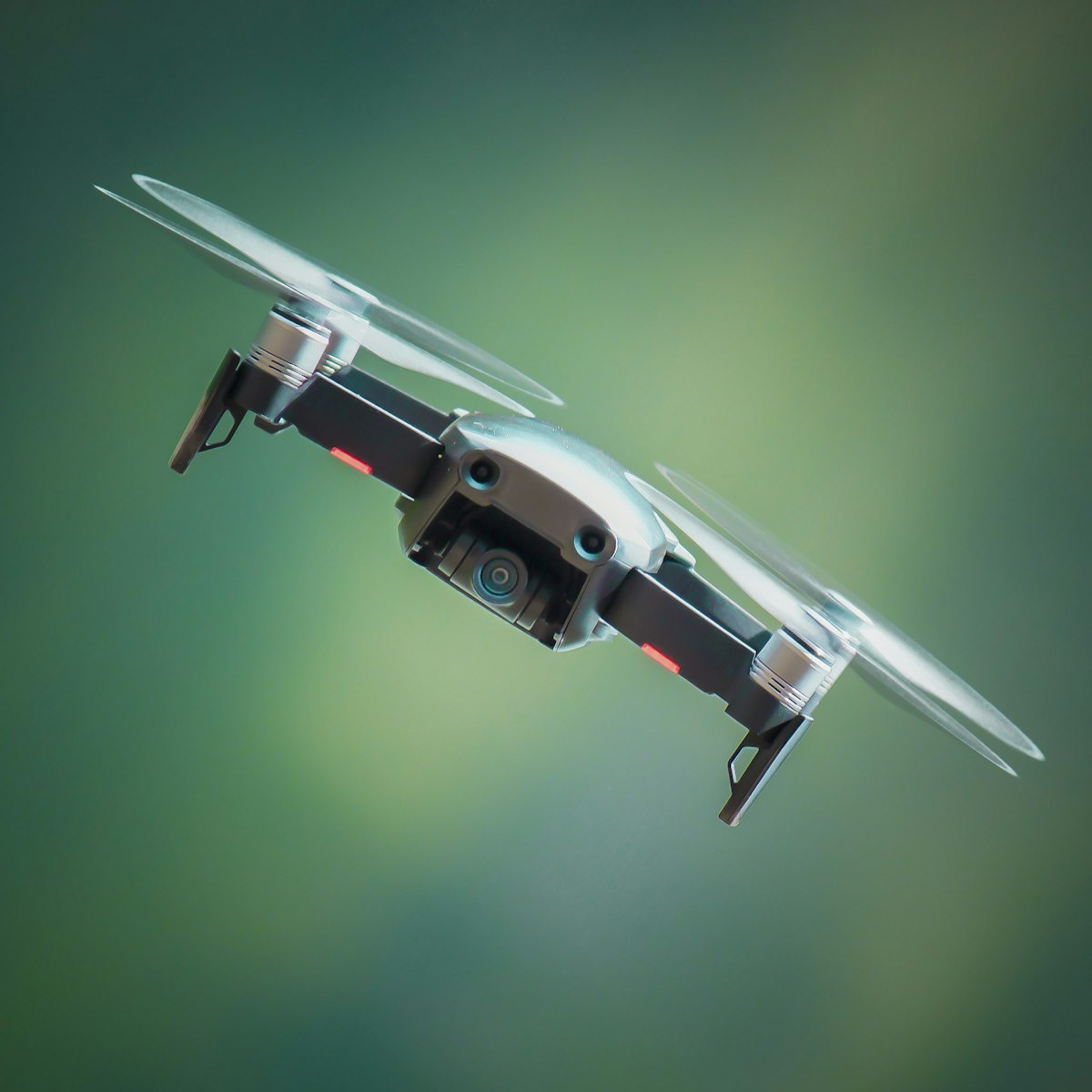
National parks are among the most commonly restricted places for drones, and in many EASA countries flying inside them is banned or requires special permission. EASA Regulation 2019/947 lets member states designate geographical zones where drone use is limited or prohibited, and protected areas like national parks are a frequent target of those restrictions.
This guide explains why parks are so often off-limits, how to find the actual rule, and how to seek permission when one exists.
Are drones allowed in national parks?
It depends entirely on the specific park and country, because national parks are usually controlled through national or local rules rather than EASA operational categories. Many parks prohibit drones outright to protect wildlife and visitor experience, while others allow them only with a permit.
Under the EASA framework, this works through geographical zones:
- Regulation 2019/947 allows each member state to define zones where UAS operations are restricted, conditional or forbidden.
- Protected natural areas are commonly placed inside such zones.
- The precise boundary and conditions are published nationally, not by EASA centrally.
So there is no single European answer. A park in one country may welcome permitted commercial flights while a similar park elsewhere bans all drones, and you must check each site individually.
Why are parks so heavily restricted?
Parks combine wildlife protection, visitor tranquillity and often sensitive terrain, all of which drones can disturb. Regulators and park managers restrict flights to prevent stress to animals, protect nesting and breeding sites, and preserve the quiet that visitors come for.
Common reasons for restrictions include:
- Wildlife disturbance, as drones can stress birds, mammals and especially nesting or breeding species.
- Habitat sensitivity, where low-altitude flight over fragile terrain is unwelcome.
- Visitor amenity, since noise and intrusion undermine the experience a park is meant to offer.
- Emergency and firefighting airspace, which drones can interfere with in wildfire-prone areas.
Because these concerns are strong and locally specific, park authorities often prefer a blanket ban to case-by-case judgement. Treat any protected area as restricted until you have confirmed otherwise.
How do you find the actual rule for a park?
Check the national geographical zone map, the park authority’s own regulations, and your NAA guidance, because all three can apply at once. The EASA zone system tells you the airspace status, while the park’s bylaws may add their own prohibition on the ground.
A reliable sequence as of 2026:
- Open your country’s official geographical zone map or app and locate the park.
- Check the park authority or protected-area manager’s website for drone-specific rules.
- Confirm whether a permit route exists and what it requires.
- Cross-check with your national aviation authority (NAA) if the zone status is unclear.
Do not rely on a general “drones allowed in the countryside” assumption. Parks frequently carry layered restrictions, and only the official sources for that specific park are authoritative. The dronexamine study material explains how geographical zones work so you can read these maps confidently.
Can you get permission to fly in a national park?
Sometimes, through a permit or authorisation from the park authority, often combined with the appropriate EASA operational category. Where a permit route exists, it typically involves an application describing your operation, its purpose and its safeguards, and approval is not guaranteed.
What a permission process may require:
- A clear operational purpose, such as research, filming or survey work.
- Evidence of your operator registration and pilot competency.
- Measures to avoid wildlife disturbance, including timing, routes and no-fly areas.
- Proof of insurance where the park or national rules require it.
- Compliance with the correct EASA category, which for many tasks is the Specific category.
Even with a permit, you still fly within your EASA operational limits. The permit removes the local prohibition; it does not exempt you from the airspace rules that apply everywhere.
What if a park has no clear drone rule?
Treat the absence of a clear rule as a reason for caution, not permission, and contact the park authority before flying. Silence in published material does not mean drones are welcome, and a general protected-area status can still carry restrictions you have not found.
Sensible approach:
- Ask the park authority directly and keep their answer in writing.
- Assume wildlife and disturbance rules apply even without a drone-specific ban.
- Avoid flying near visitors, wildlife concentrations and sensitive terrain regardless.
- Reconsider your plan if you cannot get a clear answer in time.
A polite enquiry costs little and protects you from an enforcement action or a wildlife-disturbance offence that can carry serious penalties.
Common questions
Is a sub-250 gram drone exempt from national park bans? Usually not. Park and protected-area bans typically apply to drone operations regardless of weight, because the concern is disturbance and amenity rather than airspace risk alone. A light drone still causes wildlife stress and visitor intrusion. Check the specific park rule, as weight-based exemptions are the exception, not the norm.
Can I fly just outside the park boundary and film into it? Possibly, but with limits. Flying outside the boundary may keep you clear of the park’s ground bylaws, yet you must still respect airspace zones, wildlife-disturbance law and privacy rules, and your drone must stay within visual line of sight and category limits. Confirm the boundary and any buffer zone with the park authority.
Do the rules differ for research or professional filming? Often yes. Many parks that ban recreational drones offer a permit route for research, conservation or professional media work under strict conditions. This usually means a Specific category operation with an authorisation. Apply well in advance and follow the park’s conditions exactly.
Are nature reserves and protected sites treated the same as parks? Frequently they carry similar or stricter restrictions. Nature reserves, wetlands and other protected designations often prohibit drones to protect sensitive habitats. Do not assume a smaller site is less regulated. Check each site’s specific rules and its status in the national geographical zone system.
Your next step
Before planning any flight in or near a protected area, check the national geographical zone map, read the park authority’s own rules, and confirm whether a permit is needed. If anything is unclear, contact the park and your NAA in writing before you travel. Use the dronexamine guides to understand geographical zones and the Specific category so that, when a park does allow permitted flights, you are ready to apply and fly correctly.
Related articles
Flying drones near wildlife, how to avoid disturbance
How to fly drones responsibly around animals and birds, the distances and behaviours that reduce disturbance, and the rules that protect wildlife.
Flying drones in the mountains safely under EASA
How to fly a drone in the mountains: altitude density, wind, cold batteries, terrain-relative height and EASA rules for high-terrain pilots in 2026.
What is U-space, the future of drone airspace explained
What U-space means under EU rules, which services it provides, and how designated U-space airspace changes drone operations for professionals in 2026.