Flying drones near wildlife, how to avoid disturbance
How to fly drones responsibly around animals and birds, the distances and behaviours that reduce disturbance, and the rules that protect wildlife.
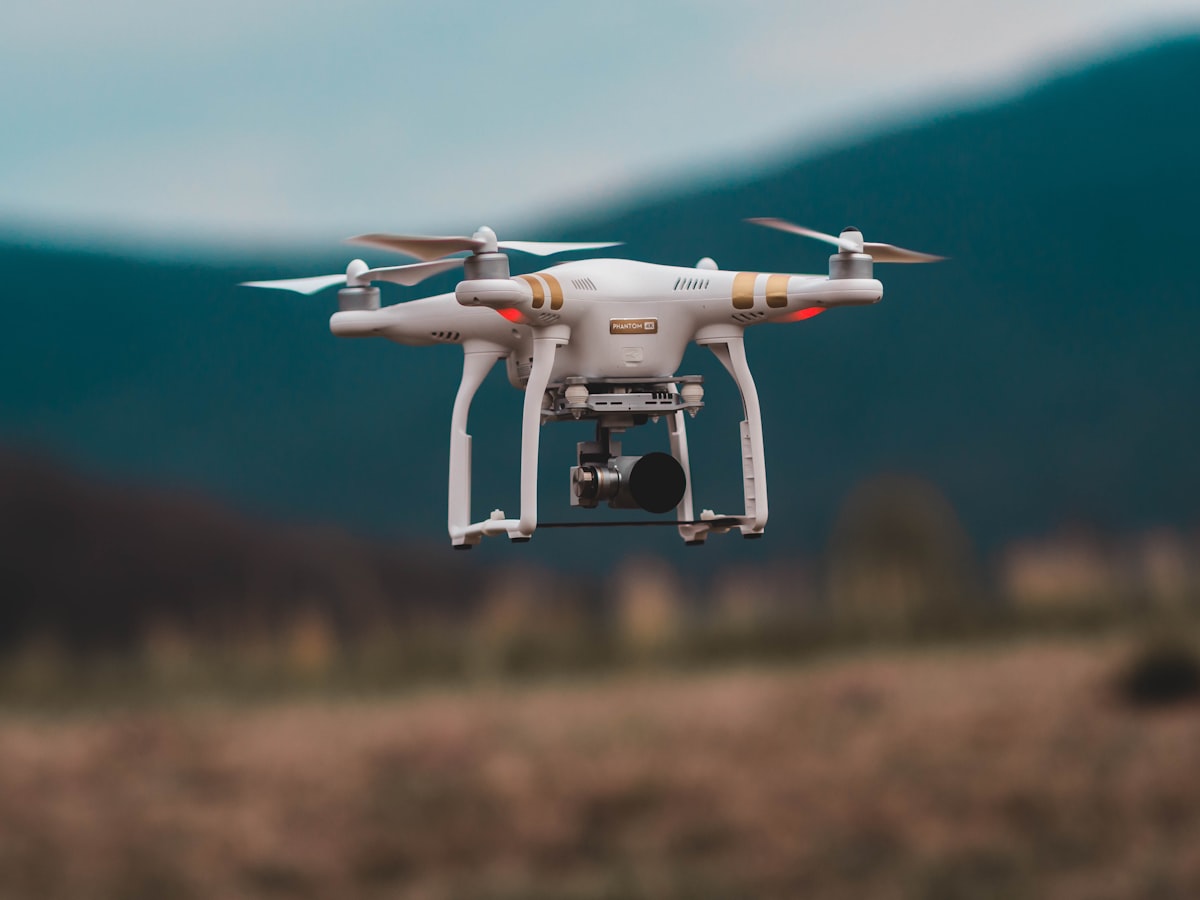
Flying near wildlife means keeping your distance, reading animal behaviour, and staying out of protected areas so you do not stress or endanger the animals below. A drone can disturb wildlife long before you notice, so caution and awareness matter more than any single rule.
Drones are increasingly used for legitimate wildlife research and conservation, but casual flights near animals can cause real harm. As of 2026, many protected areas restrict or ban drones outright, and disturbing certain species can be an offence. This guide covers how to fly responsibly.
Why do drones disturb wildlife?
Animals often perceive a drone as a predator, so even a quiet, distant drone can trigger fear, flight and energy-draining stress responses. The harm is frequently invisible from where you stand.
How disturbance shows up:
- Birds may flush from nests, abandon eggs or chicks, or mob the drone, wasting energy and exposing young to cold and predators.
- Mammals may flee, stampede or abandon feeding and resting, which is especially costly in winter or breeding season.
- Marine animals can be startled at the surface, and some react strongly to the noise and shadow overhead.
- Repeated exposure can drive animals away from good habitat entirely.
Because a calm-looking animal can still be highly stressed, distance and restraint are the only reliable protections.
How far away should you stay?
Stay far enough that the animals show no reaction, which usually means much more distance than you would guess, and increase it if you see any change in behaviour. There is no universal number, so behaviour is your guide.
Practical distance principles:
- Watch for reactions. Raised heads, alert postures, moving away or bunching together all mean you are too close. Back off immediately.
- Fly higher and farther rather than low and near. Low passes are the most threatening.
- Avoid direct approaches. Flying straight at an animal mimics a predator. Keep a respectful, indirect path.
- Never chase or herd animals with the drone, which is both harmful and, in many places, illegal.
- Give extra room during breeding, nesting and winter, when disturbance costs animals the most.
If an animal reacts at all, you are already too close. The goal is a flight the wildlife never notices.
Where are drones restricted for wildlife protection?
National parks, nature reserves, wetlands and other protected areas frequently restrict or ban drones, and some species and sites have specific legal protections. Always check before you fly anywhere near sensitive habitat.
Common restricted places:
- National parks and nature reserves, many of which prohibit drones entirely.
- Protected wetlands and coastal areas, important for breeding and migrating birds.
- Seal colonies, seabird cliffs and nesting sites, where disturbance can be devastating.
- Areas protected for specific species, where disturbing them may be a criminal offence.
Rules vary widely by country and even by individual site within EASA states, so confirm the specifics with the site managers and your national aviation authority (NAA) before flying.
If you want to see how these environmental restrictions sit alongside the wider rules for where you can legally fly, the guides and practice questions in the dronexamine trainer put them in context.
How do you plan a wildlife-friendly flight?
Research the site, choose calm timing, keep flights short and high, and be ready to land the moment animals react. Good planning removes most of the risk before you arrive.
Before flying near wildlife:
- Check the rules for the specific location and any protected species present.
- Choose timing that avoids breeding, nesting and vulnerable seasons where possible.
- Plan a high, distant flight path that keeps the drone away from animals.
- Keep flights short to limit exposure.
- Have an exit plan so you can retreat and land quickly if animals show stress.
- Avoid known sensitive spots entirely rather than testing how close you can get.
Treating wildlife as something to observe from a respectful distance, not to approach, keeps both the animals and your flight safe.
What should you do if animals react?
Retreat and land as calmly and quickly as you safely can, then leave the area. A reaction means the disturbance has already begun, and continuing only makes it worse.
If you see distress:
- Gain distance and altitude to reduce the threat, then bring the drone home.
- Do not linger to get one more shot. The animals’ welfare comes first.
- Note what triggered the reaction so you avoid it next time.
- Leave the site if animals remain agitated.
Learning from each reaction makes you a more considerate pilot and reduces harm over time.
Common questions
Is it illegal to fly a drone near wildlife? It can be, depending on the location and species. Many protected areas ban drones, and disturbing certain protected animals is an offence in some countries. Check with the site and your NAA before flying.
Can I fly quietly enough not to disturb animals? Low noise helps, but animals often react to the drone’s movement, shadow and shape as much as its sound. Distance and altitude matter more than how quiet the drone is.
What about filming in national parks? Many national parks prohibit or tightly restrict drones. Never assume it is allowed. Confirm the specific park’s policy and any permit requirements before you travel.
Are there drones designed to be less disturbing? Quieter propellers and smaller drones reduce the acoustic impact, but no drone is invisible to wildlife. Responsible distance and timing remain essential regardless of the aircraft.
Your next step
Before any flight near natural habitat, research the site’s drone rules and any protected species, and commit to landing the instant animals react. Flying so that wildlife never notices you is the standard to aim for. When you want to understand how these environmental limits fit with the broader airspace rules, the guides at dronexamine walk you through the operational side step by step.
Related articles
Drones and privacy, what the rules require of you
How data protection and privacy law apply when you fly a camera drone, what GDPR means for aerial footage, and how to stay compliant across EASA states in 2026.
Drone pre-flight checklist for safe, legal flights
A complete pre-flight checklist for drone pilots covering aircraft, environment, airspace and settings so every flight starts safe and legal.
How to extend drone range safely without breaking rules
Practical ways to improve drone signal range and stay in control, from antenna position to interference, while respecting visual line of sight rules.