Drones and privacy, what the rules require of you
How data protection and privacy law apply when you fly a camera drone, what GDPR means for aerial footage, and how to stay compliant across EASA states in 2026.
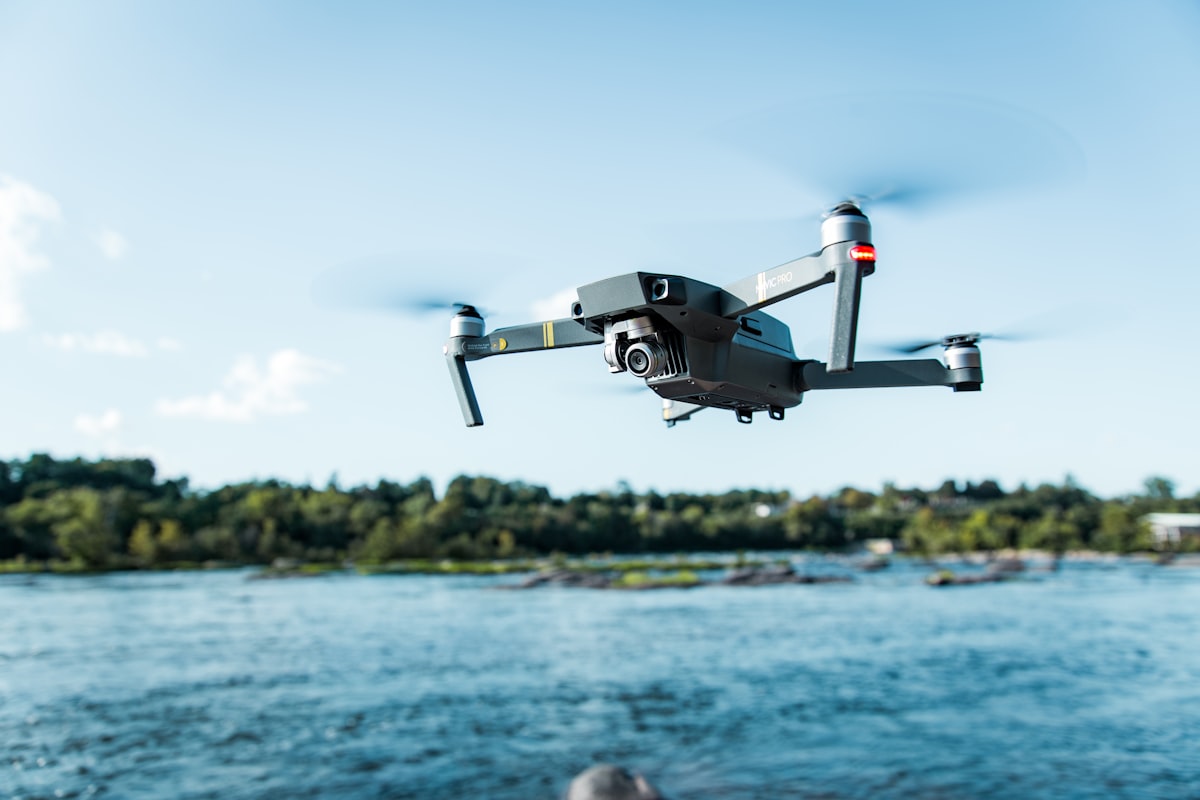
Flying a camera drone makes you responsible not only under aviation rules but also under data protection and privacy law, because capturing images of identifiable people counts as processing personal data. Across EASA states this usually means the GDPR applies, and separately many countries have their own privacy, trespass and nuisance rules that a lawful aviation flight does not override.
This guide explains what privacy law asks of drone pilots and how to stay on the right side of it as of 2026.
Does privacy law really apply to hobby drone flights?
Yes, whenever your drone captures identifiable people, privacy and data protection law can apply, and this is separate from your EASA aviation compliance. A flight that is perfectly legal under Regulation 2019/947 can still breach data protection or privacy rules if you film people without a proper basis.
The core points:
- Aviation and privacy are two separate legal areas, and satisfying one does not satisfy the other.
- Identifiable individuals in your footage means you are handling personal data.
- Purely personal or household use may fall outside some data protection obligations, but this exemption is narrow and easily lost once footage is shared or published.
- National laws on privacy, harassment, trespass and nuisance apply on top of data protection.
The practical lesson is that “I had permission to fly here” does not answer “was it lawful to film that person.” Both questions must be considered before you record.
When does GDPR apply to your drone footage?
The GDPR applies once you process personal data, and footage of identifiable people is personal data unless a narrow purely personal or household exemption covers your use. That household exemption typically disappears the moment you share, publish or use footage commercially.
How it works in practice:
- Personal, private use, such as filming your own garden with no one else identifiable, may fall under the household exemption.
- Publishing or sharing footage of identifiable people, especially online, generally takes you outside that exemption.
- Commercial use, such as selling aerial photography or inspection work, means the GDPR applies and you need a lawful basis.
- Special situations, like filming crowds or sensitive locations, raise the risk considerably.
Once the GDPR applies, you have obligations as a data controller: having a lawful basis, minimising what you capture, keeping data secure and respecting people’s rights over their data. Treat footage of recognisable people as something to justify, not just record.
What practical steps keep you compliant?
Minimise the personal data you capture, avoid filming private spaces, be transparent, and store footage securely. Most privacy problems come from careless capture and sharing, not from deliberate intrusion, so a little discipline prevents most issues.
Practical measures:
- Avoid unnecessary capture: do not film gardens, windows or private spaces you do not need for the job.
- Fly higher or reframe so identifiable individuals are not the focus when they are not relevant.
- Be visible and open about what you are doing, especially on commercial jobs; hiding raises suspicion and complaints.
- Blur or crop faces, number plates and other identifiers before publishing where appropriate.
- Store footage securely, delete what you do not need, and control who can access it.
- Get consent or permission where you are filming people deliberately, such as at an event.
These steps also reduce complaints, which are a common trigger for enforcement and for damaging your reputation as an operator. Good privacy practice is good business practice. Keeping aviation and data obligations straight is easier when you study them together, which is part of what the dronexamine material helps professionals do.
What about flying over private property?
Flying over private land is primarily an airspace and aviation matter, but low flights, surveillance and filming can trigger national privacy, trespass or nuisance law. Owning the sky is not straightforward, and rules differ by country, so do not assume you can hover over any property freely.
Considerations:
- Aviation rules govern where you may fly, including height and distance from people, and these apply regardless of who owns the land below.
- National property and privacy law may restrict low flights, persistent hovering or filming over someone’s home or garden.
- Nuisance and harassment rules can apply if your flying is intrusive or repeated.
- Landowner permission may be needed for take-off and landing even where the flight itself is legal.
Because these rules vary widely between countries, check with your NAA on the aviation side and understand your national privacy and property law separately. When in doubt, avoid lingering over private homes.
What are the risks of getting privacy wrong?
Getting privacy wrong can lead to complaints, data protection enforcement, civil claims and reputational damage, entirely apart from any aviation penalty. Regulators and courts treat drone footage of people seriously, and a single complaint can escalate.
The main risks:
- Data protection enforcement, including investigation and potential fines, if you mishandle personal data.
- Civil claims for breach of privacy, harassment or nuisance under national law.
- Loss of client trust and reputation, which matters most for commercial operators.
- Complaints to your NAA, which can prompt scrutiny of your wider operation.
The reputational cost often outweighs the legal one for professionals. A visible, considerate approach to filming people protects both your compliance and your business.
Common questions
Do I need consent to fly over people’s houses? For the flight itself, consent is usually an aviation and take-off-site question rather than a blanket requirement to overfly. For filming identifiable people or their private spaces, national privacy law and data protection may require a lawful basis or consent. Avoid filming homes and gardens you do not need, and check your national rules.
Does the GDPR apply if I only film for my own enjoyment? Possibly not, if a purely personal or household exemption covers your use and no one else is identifiable or affected. But that exemption is narrow and typically lost the moment you share or publish footage of identifiable people. Once footage leaves your private use, assume data protection obligations apply.
Can I publish drone footage that shows people? Only with care. Publishing footage of identifiable people generally means the GDPR applies and you need a lawful basis, plus you should consider blurring faces and identifiers. For events where people expect filming, transparency and signage help. When in doubt, obscure identifiable individuals or obtain consent before publishing.
Is a sub-250 gram drone exempt from privacy rules? No. The sub-250 gram threshold affects some aviation and registration rules, not privacy law. If your lightweight drone has a camera and films identifiable people, data protection and national privacy law still apply exactly as they would to a larger drone. Weight does not grant a privacy exemption.
Your next step
Before your next camera flight, decide what you actually need to capture, plan to avoid filming people and private spaces you do not need, and set up secure storage for your footage. For commercial work, understand your lawful basis under data protection. Use the dronexamine guides to keep your aviation compliance solid while you handle the separate privacy obligations that every camera drone carries.
Related articles
Drones in agriculture, uses, rules and getting started
How drones are used in farming for mapping, scouting and spraying, which EASA category spraying falls under, and what you need to operate agricultural drones in 2026.
What is U-space, the future of drone airspace explained
What U-space means under EU rules, which services it provides, and how designated U-space airspace changes drone operations for professionals in 2026.
FPV flying rules under EASA, what you need to know
How EASA rules apply to FPV drones, why FPV needs a visual observer, and which category and competencies you need to fly first-person view legally in 2026.