Traveling with a drone, batteries, rules and border tips
How to fly with a drone by air, why LiPo batteries go in carry-on, and how EASA registration and local rules change when you cross borders in 2026.
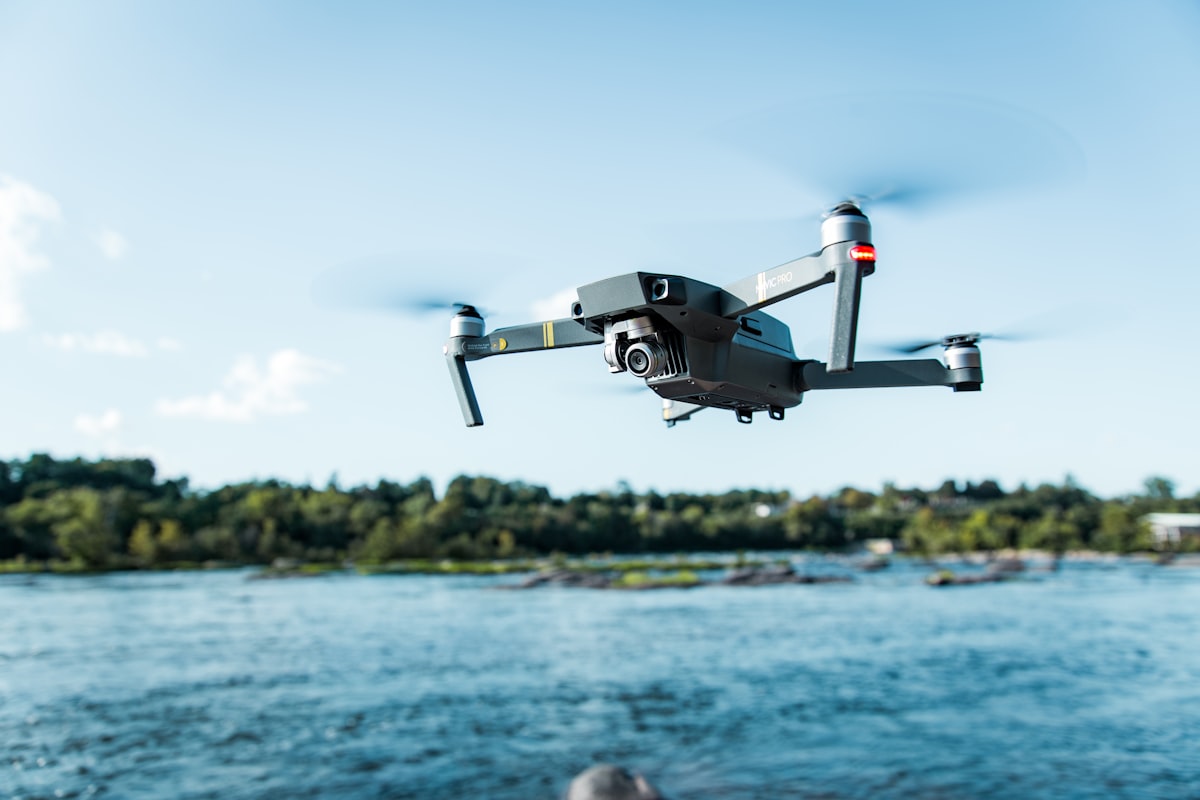
Traveling with a drone is straightforward if you plan around two things: airline battery rules and the drone regulations of your destination. LiPo batteries almost always have to travel in your carry-on baggage, never in checked luggage, and your EASA operator registration does not automatically make you legal to fly the moment you land somewhere new.
This guide covers how to travel with a drone safely and legally as of 2026.
How do you carry drone batteries on a plane?
LiPo drone batteries must be carried in your carry-on baggage, not checked luggage, and airlines limit the size and number of batteries you can bring. This is a fire-safety rule applied by airlines and aviation authorities worldwide, and it is enforced strictly.
The core rules to plan around:
- Carry-on only: lithium batteries travel in the cabin, never in the hold, because a fire in the cabin can be dealt with and one in the hold cannot.
- Watt-hour limits: airlines typically allow batteries up to a certain watt-hour rating without approval, and larger ones only with prior airline permission. Check your battery’s watt-hour figure against your airline’s policy.
- Quantity limits: there is usually a cap on how many spare batteries you can carry, so confirm before packing several.
- Terminal protection: protect terminals against short circuits, using original packaging, tape or battery cases.
Always check the specific policy of your airline, because limits and approval thresholds differ. Print or save the rules in case you are questioned at check-in or security. Getting this wrong can mean losing your batteries at the gate.
How should you pack a drone for travel?
Pack the drone and batteries in a protective case in your carry-on, discharge batteries to a storage level, and keep documentation accessible. Treating the drone as fragile, sensitive equipment protects both the hardware and your ability to fly on arrival.
Packing guidance:
- Protective case: a hard case or well-padded bag guards the airframe, gimbal and props in transit.
- Storage charge: carry LiPo batteries at a storage level, commonly around half charge, rather than full, which is safer and better for the cells. Our LiPo care guide explains storage voltage in detail.
- Batteries in the cabin with terminals protected, within your airline’s limits.
- Documentation to hand: operator registration, competency certificate and any insurance, ready to show if asked.
- Spares and tools such as props and a charger, remembering the charger and any power bank also count as electronics.
Label your gear and keep serial numbers noted. If a case is inspected or a battery questioned, being organised and able to show your paperwork makes the process far smoother.
Does your EASA registration work in another country?
Within the EASA system your operator registration from one member state is generally recognised across the others, but you must still follow the specific national rules and any local restrictions where you fly. Registration and the right to fly a given operation are not the same thing.
What to understand:
- Single registration: you register as an operator in your country of residence, and that registration is recognised across EASA states rather than re-registering in each.
- National differences remain: individual countries add their own restrictions, such as no-fly zones, extra permissions and local conditions.
- Outside the EASA area: entirely different rules apply, and you may need separate registration or authorisation. Check the destination’s authority.
- Competency: your Open category certificates are recognised across EASA states, but confirm what your operation requires locally.
The single registration is a real convenience within Europe, but it is not a licence to ignore local rules. A location that is fine to fly at home may be restricted at your destination. Checking each country’s specifics before you travel is exactly the discipline the dronexamine material encourages.
How do you find the rules at your destination?
Check the destination’s national aviation authority and its official drone map or app before you travel, and confirm registration, no-fly zones and any import rules. Every country publishes its own requirements, and the safe assumption is that they differ from home.
Steps to take before departure:
- Identify the NAA for your destination and read its drone guidance.
- Check registration: confirm whether your existing registration is recognised or whether you need to register locally, especially outside the EASA area.
- Airspace and no-fly zones: use the official drone map for restrictions around airports, cities, borders and sensitive sites.
- Import and customs: some countries restrict or tax importing drones, or require declaration on arrival; check customs rules.
- Local sensitivities: national parks, heritage sites and some regions ban drones entirely.
Do this research before you fly out, not on arrival. Discovering at the airport that a country bans drone imports, or that your destination requires a permit you do not have, is an avoidable and costly surprise.
What extra considerations apply at borders and sensitive sites?
Some countries restrict or prohibit drone imports, filming, and flying near borders, military sites and government buildings, with serious penalties. Border and security-sensitive areas are where casual travelers most often run into trouble, sometimes involving confiscation or worse.
Watch out for:
- Import bans and permits: a minority of countries prohibit drones entirely or require a permit to bring one in.
- Border zones: flying or filming near international borders is often restricted or forbidden.
- Military and government sites: these are almost universally off-limits and enforced seriously.
- Privacy and filming laws: local privacy rules govern what you may film, separate from aviation rules.
- Confiscation risk: in strict jurisdictions, an undeclared or prohibited drone can be seized at customs.
When the rules are unclear or the destination is known to be strict, the safest choice may be to leave the drone at home. No shot is worth a confiscated drone or a legal problem abroad.
Common questions
Can I put drone batteries in checked luggage if I discharge them? No. Lithium batteries must travel in carry-on baggage regardless of charge level, because a cabin fire can be managed and a hold fire cannot. Discharging to storage level is safer for the cells but does not change the carry-on requirement. Always carry batteries in the cabin with terminals protected against short circuits.
Is my drone registration valid across the whole EU? Within the EASA system, your operator registration from your country of residence is generally recognised across member states, so you do not re-register in each. However, national restrictions and no-fly zones still apply locally, and your competency requirements depend on the operation. Outside the EASA area, expect different rules and check the destination’s authority.
How many batteries can I take on a flight? It depends on your airline and the batteries’ watt-hour rating, so check the specific policy before packing. Airlines typically limit the number of spare lithium batteries and require approval above a certain watt-hour figure. Confirm your batteries’ ratings, count your spares against the limit, and protect every terminal against short circuits.
What if my destination bans drones entirely? Then do not bring it. Some countries prohibit drone imports or flying outright, with penalties including confiscation. Check the destination’s national aviation authority and customs rules before you travel. If the country bans drones or the rules are unclear and strict, leave the drone at home rather than risk it being seized at the border.
Your next step
Before any trip, check your airline’s lithium battery policy and your destination’s national drone rules, then pack batteries in the cabin at storage charge with paperwork accessible. Research import and no-fly rules before departure, not on arrival. Use the dronexamine guides to confirm your registration and competency status so you land ready to fly wherever the local rules allow.
Related articles
LiPo battery care for drones, storage and charging
How to store, charge and handle LiPo drone batteries safely. Concrete voltage numbers, storage tips and disposal advice to make packs last longer.
Registering as a drone operator, where to start
When you must register as an operator, where to do it and how operator differs from pilot. The first steps before you take off.
Drones and privacy, what the rules require of you
How data protection and privacy law apply when you fly a camera drone, what GDPR means for aerial footage, and how to stay compliant across EASA states in 2026.