Flying drones over roads and highways under EASA
Can you fly a drone over roads and motorways in the EU? How EASA rules on uninvolved people, distraction and road authority permissions apply in 2026.
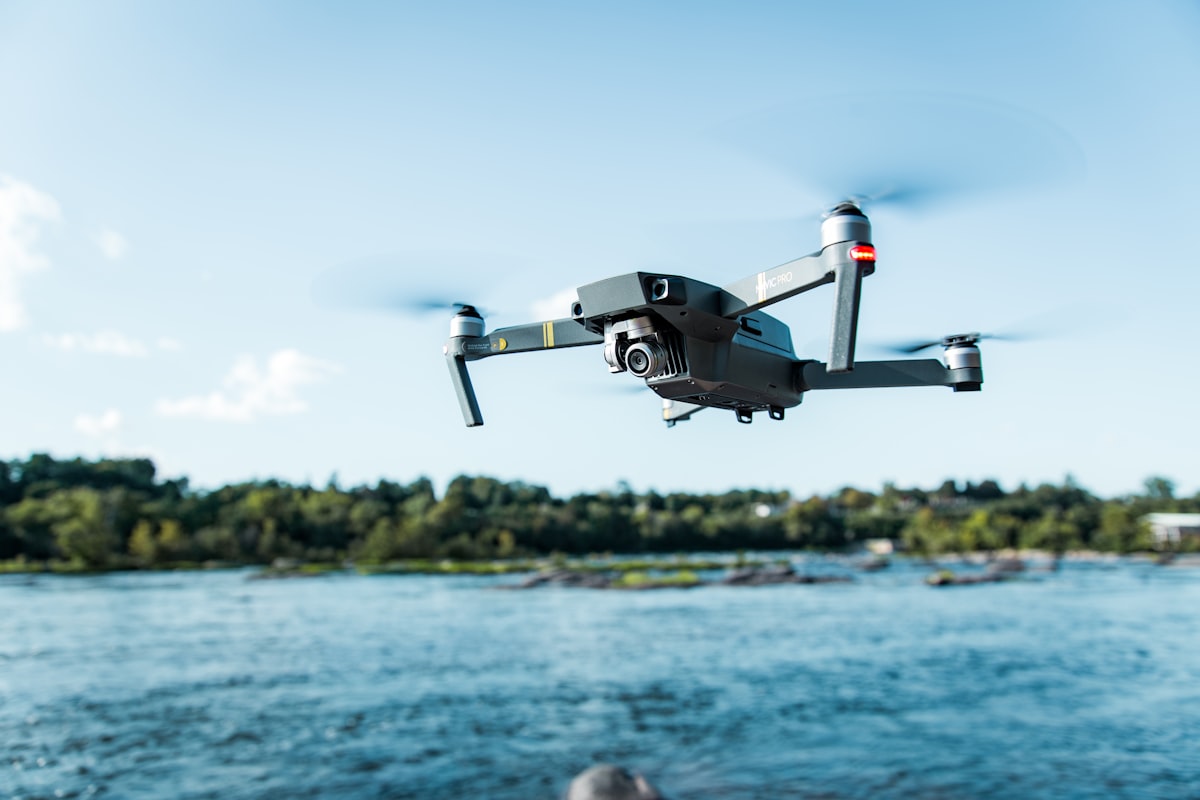
Flying over roads is not banned by EASA Regulation 2019/947, but drivers and passengers count as uninvolved people, so overflight is limited by your operational subcategory and distance rules. On top of the EASA rules, national road-safety and traffic law can restrict flights that distract drivers, and busy roads are among the trickier places to stay compliant.
This guide explains how the uninvolved-people rules apply to traffic and what extra permissions a road overflight can need.
Can you fly a drone over a road under EASA rules?
Yes in principle, but people in vehicles are uninvolved people under EASA rules, so your subcategory and its distance requirements determine whether a particular overflight is allowed. A quiet lane and a busy motorway are very different situations, because the number of uninvolved people below changes what your category permits.
The relevant framework as of 2026:
- Uninvolved people include drivers and passengers who are not part of your operation.
- A1 allows flight closer to uninvolved people but never over assemblies of people.
- A2 permits flight near uninvolved people at a safe horizontal distance with a C2 drone.
- A3 requires you to stay well clear of uninvolved people and residential or recreational areas.
So the legality of a road overflight turns on your drone’s class, your subcategory and how many people are below. A momentary transit over a quiet road differs sharply from loitering above rush-hour traffic.
Are people in cars treated as uninvolved people?
Yes, occupants of vehicles are generally treated as uninvolved people, and heavy traffic can even resemble an assembly of people that you must never overfly. This is a common misunderstanding: being inside a car does not remove someone from the uninvolved-people count for your subcategory limits.
Practical consequences:
- Each occupied vehicle below contributes uninvolved people to your operation.
- Congested traffic can approach the concept of an assembly of people, which is prohibited to overfly in any Open subcategory.
- Your required distance from these people depends on your subcategory and drone class.
Because of this, busy roads are effectively off-limits for casual overflight in most Open category setups. If you cannot keep the required distance from the people in the traffic below, you cannot fly there under those rules. When unsure, check with your national aviation authority (NAA).
What national road rules can restrict flights?
National traffic and road-safety law can prohibit distracting drivers or flying over certain roads, independently of EASA airspace rules. Even a flight that satisfies your subcategory may breach road-safety provisions if it risks distracting or endangering road users.
Common national considerations:
- Driver distraction rules, where a low or attention-grabbing drone near a road can be an offence.
- Motorway and major-road restrictions, which some countries apply specifically.
- Road authority permissions for work over or beside the carriageway.
- Local bylaws in urban areas that limit drone activity.
These rules vary between EASA states, so a flight that is fine in one country may be restricted in another. Confirm the road-specific rules with your NAA or the relevant road authority before planning an overflight of a significant road.
How do you fly safely near roads?
Keep the required distance from traffic, avoid loitering over the carriageway, and never fly in a way that could distract or endanger drivers. Safe practice near roads is mostly about not becoming a hazard to the people below, whose attention needs to stay on the road.
Sensible habits:
- Plan a route that crosses a road quickly rather than hovering over it.
- Keep well clear of busy junctions, congestion and anything resembling an assembly of people.
- Position yourself so the drone is not in drivers’ line of sight in a distracting way.
- Respect your subcategory’s distance from uninvolved people at all times.
- Have a plan for a control or link problem that does not put the drone onto the carriageway.
A drone falling onto a road is a serious hazard, so plan your failsafe behaviour and return path to avoid the carriageway entirely. Keeping these responsibilities straight is part of what the dronexamine trainer helps you master.
When do you need road authority permission?
You may need permission from the road authority or police for work over or beside major roads, especially for surveys, filming or anything requiring proximity to traffic. This is separate from your EASA authorisation and depends on national and local rules for the road in question.
Situations that often require coordination:
- Road and bridge inspections flown close to the structure and carriageway.
- Traffic or incident filming, where flying near active traffic raises safety concerns.
- Work near motorways, which many countries restrict.
- Operations needing a road closure or lane management for safety.
For professional work over roads you will often be in the Specific category with an operational authorisation, and you may still need the road authority’s agreement on top. Arrange both well before the flight and confirm the requirements with your NAA and the road authority.
Common questions
Can I quickly fly across a quiet road? Often yes, if you keep the required distance from any uninvolved people and stay within your subcategory. A brief transit over a quiet road with little traffic is very different from loitering over a busy one. Even then, respect road-safety law and avoid distracting any drivers present. Confirm local rules with your NAA if unsure.
Is flying over a motorway allowed? Usually not for casual flights. Motorways carry heavy, fast traffic with many uninvolved people, and some countries restrict drone flight over them specifically. Congested traffic can also resemble an assembly of people, which you must never overfly. Professional work over a motorway typically needs the Specific category and road authority permission.
Do people in cars count toward assembly-of-people limits? They count as uninvolved people, and dense traffic can approach the idea of an assembly of people that no Open subcategory permits you to overfly. Being inside a vehicle does not remove someone from your uninvolved-people count. Judge the density of traffic below carefully, and stay clear when it is heavy.
Do I need permission to film a road for a project? Possibly. Filming over or beside a significant road can require the correct EASA category plus road authority or police coordination, depending on the road and your country. Driver-distraction and privacy rules may also apply. For anything beyond a quick, distant transit, confirm the requirements with your NAA and the relevant road authority first.
Your next step
Before flying near a road, judge the traffic density and your distance from the uninvolved people below, plan a route that avoids loitering over the carriageway, and set a failsafe that keeps the drone off the road. For work over major roads, confirm whether you need the Specific category and road authority permission. Use the dronexamine guides to master the uninvolved-people rules so your flights near traffic stay clearly within the regulations.
Related articles
Flying a drone over private property under EASA rules
Can you legally fly a drone over private property in the EU? How EASA airspace rules, privacy law and national trespass rules interact for pilots in 2026.
Maximum drone altitude under EASA rules explained
How high can you fly a drone in the EU? The 120 metre EASA limit, how it is measured, exceptions near obstacles, and Specific category rules for 2026.
Flying drones near power lines safely under EASA
How to fly a drone safely near power lines: magnetic interference, invisible cables, inspection rules and EASA obligations for pilots in 2026.