Drone hull insurance vs liability, what cover you need
Understand drone insurance in Europe, the difference between liability and hull cover, what EASA rules require, and how to choose the right policy.
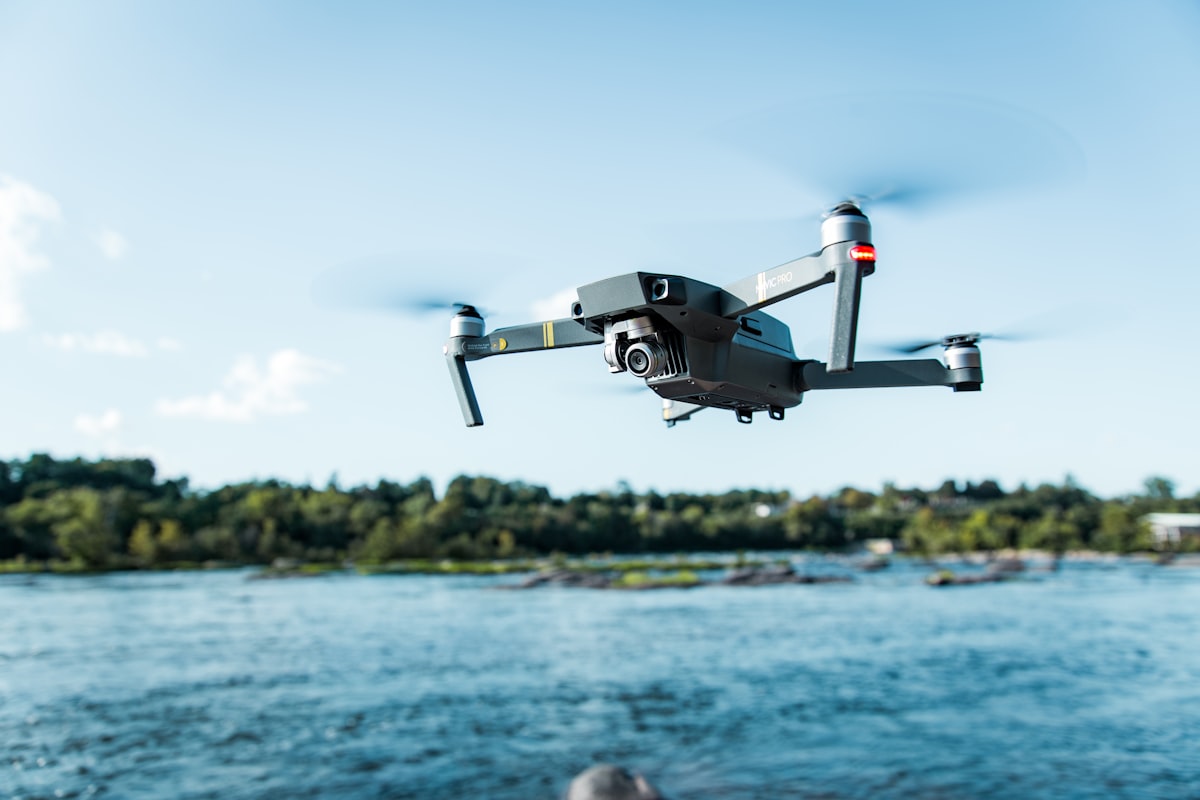
Drone insurance comes in two main types: liability cover, which pays for harm you cause to others, and hull cover, which pays to repair or replace your own drone. Liability is the one that is often legally required, while hull cover is optional protection for your equipment.
Getting this distinction right matters because the wrong assumption can leave you flying uninsured or paying for a policy you do not need. As of 2026, insurance requirements under EASA rules depend on your operation and country, so this guide explains the types and how to choose.
What is the difference between liability and hull cover?
Liability cover pays for damage or injury you cause to other people or their property, while hull cover pays for damage to your own drone. They protect against completely different risks and are usually bought separately.
Put simply:
- Liability insurance covers the outside world. If your drone injures someone or damages a car, roof or window, this pays their claim.
- Hull insurance covers your own aircraft. If you crash and destroy your drone, this helps repair or replace it.
You can hold one without the other. Many pilots carry liability because it is required or wise, and add hull cover only if the drone is expensive enough to justify it.
Is drone insurance legally required in Europe?
Third-party liability insurance is required for many drone operations in the EU, though the thresholds and details depend on your country and the drone’s weight and use. Hull cover is never legally required; it is your choice.
What to know as of 2026:
- EU rules require third-party liability insurance for aircraft in certain circumstances, and national rules add their own requirements, often tied to weight or commercial use.
- Some countries require liability cover for effectively all drone flights, while others set a weight or purpose threshold.
- Recreational flights with very light drones may be exempt in some places but not others.
Because the rules vary so much between EASA states, confirm exactly what your country requires with your national aviation authority (NAA) before you fly.
If you are still building your understanding of operator registration and your legal obligations, the guides and practice questions in the dronexamine trainer cover how these duties fit together.
When is hull cover worth buying?
Hull cover is worth it when your drone is expensive enough that paying to replace it out of pocket would hurt, and when you fly often enough to face a real crash risk. For a cheap drone it rarely makes sense.
Weigh these factors:
- Value of the drone. A high-end camera drone or a professional platform can cost a great deal to replace, which makes hull cover attractive.
- How often you fly and in what conditions. Frequent flying, difficult sites and demanding jobs raise your crash risk.
- The excess and premium. Hull policies carry an excess and a premium, so compare the yearly cost against the replacement cost.
- Whether you rely on the drone for income. Losing a working drone can mean lost jobs, not just a repair bill.
For an inexpensive hobby drone, self-insuring by simply saving toward a replacement is often the sensible choice.
What do drone policies typically include and exclude?
Policies vary widely, but they commonly cover accidental damage and liability while excluding illegal flying, unlisted pilots and certain risks. Read the wording carefully, because exclusions decide whether you are actually protected.
Watch for these terms:
- Named pilots. Some policies only cover specific listed pilots.
- Territorial limits. Cover may apply only in certain countries.
- Legal compliance. Flying illegally, beyond your category, or in restricted airspace usually voids cover.
- Commercial vs recreational use, which are priced and covered differently.
- Payload and add-ons, which may need to be declared.
- Per-flight vs annual options, useful if you only fly occasionally.
Never assume a policy covers a scenario. If a term is unclear, ask the insurer to confirm in writing before you rely on it.
How do you choose the right policy?
Start by confirming the liability cover your country requires, then decide whether your drone’s value justifies adding hull cover, and match the policy to how and where you fly. Buy for your actual operation, not a generic template.
A simple process:
- Check your NAA’s liability requirements and buy at least what the law demands.
- Assess your drone’s replacement cost and your crash risk to decide on hull cover.
- Confirm the policy covers your countries, pilots and type of use.
- Read the exclusions, especially around legal compliance and airspace.
- Compare annual against per-flight or on-demand cover for your flying pattern.
The right policy is the one that matches the flights you actually make and the harm you could actually cause.
Common questions
Do I need insurance for recreational flying? It depends on your country and the drone. Some EASA states require liability cover for nearly all flights, others only above a weight or for commercial use. Confirm with your NAA.
Does my home insurance cover my drone? Sometimes home contents insurance covers the drone as property, but it rarely provides the third-party liability cover you may legally need. Check your policy wording and do not assume it is enough.
Will insurance pay if I was flying illegally? Almost never. Flying in restricted airspace, beyond your category, or against the rules typically voids cover entirely. Legal, compliant flying is a condition of most policies.
Is a flyaway covered? It depends on the policy. Some hull policies cover loss from a flyaway, others exclude it. Read the wording and confirm with the insurer before you need to claim.
Your next step
Check with your national aviation authority whether liability cover is required for your flights, then decide whether your drone is valuable enough to add hull cover on top. Buy the policy that matches how you actually fly, and read the exclusions closely. When you want to be sure your operator registration and legal duties are in order, the guides at dronexamine walk you through the requirements step by step.
Related articles
Registering as a drone operator, where to start
When you must register as an operator, where to do it and how operator differs from pilot. The first steps before you take off.
What to do after a drone crash, a step-by-step guide
A calm, practical procedure for after a drone crash: securing the site, inspecting for damage, checking the battery and deciding when to fly again.
Drone pre-flight checklist for safe, legal flights
A complete pre-flight checklist for drone pilots covering aircraft, environment, airspace and settings so every flight starts safe and legal.