Roof inspection drones, a practical guide to the service
How to run a drone roof inspection service in Europe, what clients need, the rules for flying near buildings, and how to deliver useful reports in 2026.
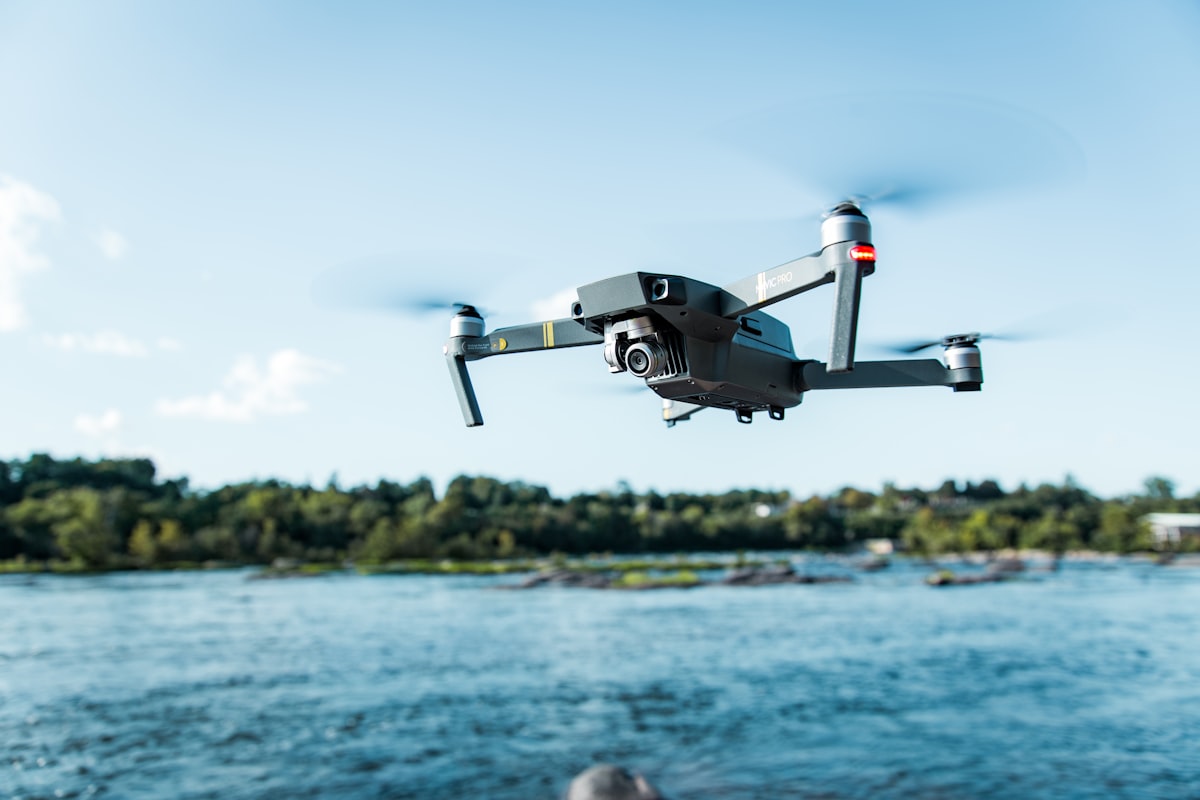
Roof inspection with a drone means capturing detailed images of a roof so an owner, surveyor or insurer can assess its condition without anyone climbing up. It is a strong service because it removes the cost, delay and danger of ladders and scaffolding while producing evidence a client can act on.
This guide explains who buys roof inspections, the rules for flying close to buildings, and how to deliver a report clients find genuinely useful. It is written for pilots across EASA states as of 2026.
Who pays for drone roof inspections?
Homeowners, property managers, surveyors, roofers and insurers pay for roof inspections because they need to assess condition safely and quickly. The common thread is a decision that depends on knowing the state of a roof no one wants to climb.
Typical clients:
- Homeowners and buyers checking condition before purchase or repair.
- Property managers monitoring multiple buildings or flat roofs.
- Roofers quoting work without sending someone up first.
- Surveyors adding roof detail to a building survey.
- Insurers and loss adjusters assessing storm or damage claims.
Each client wants clear evidence they can act on. Understanding whose decision your images support helps you frame the service and price it around the value of avoiding a fall, a delay or a bad estimate.
What rules apply to flying near buildings?
Flying close to buildings and people brings Open category distance rules into play, and inspection work often means operating near the very structures and occupants you must keep clear of. Compliance shapes how you approach every job.
Key considerations:
- Distance from uninvolved people, which depends on your subcategory and drone class.
- Flying near and over structures, where obstacles, wind eddies and GPS issues raise risk.
- Built-up and controlled areas, which may have airspace restrictions.
- Take-off and landing space on often cramped residential sites.
- The client and occupants, who may count as involved or uninvolved people depending on the setup.
Because these limits govern how close and where you can fly, confirm your subcategory limits and any local restrictions with your national aviation authority (NAA). If you want the distance rules and category limits clear before you take on inspection jobs, the guides at dronexamine set them out plainly.
How do you capture a useful roof inspection?
Capture a useful inspection by systematically photographing the whole roof and then getting close, sharp images of problem areas, so nothing is missed and defects are clearly documented. A client needs both the overview and the detail.
A methodical approach:
- Overview shots of each roof slope, showing the full layout and orientation.
- Close, high-resolution images of ridges, valleys, flashing, chimneys and gutters.
- Detail of any defects, such as cracked tiles, moss, lifted material or damage.
- Consistent coverage, working around the roof so no section is skipped.
- Notes on access and context to help the client locate each issue.
Fly carefully around structures, watching for wind and obstacles. Steady, well-lit, sharp images are what make a report credible, so prioritise capture quality over speed.
What should a roof inspection deliverable look like?
The deliverable should be an organised set of clear images, often with a short report highlighting the condition and any defects found. Clients pay for understanding, not just photos, so presentation matters.
A strong deliverable includes:
- Labelled images grouped by roof section, so issues are easy to locate.
- Highlighted defects with brief notes on what each image shows.
- An overview summary of the roof’s general condition.
- A clear statement of scope, noting what the inspection did and did not cover.
- A professional format, such as a PDF report the client can share.
Be careful not to overstate conclusions beyond what images show; if structural judgement is needed, note that a qualified surveyor or roofer should assess it. Honest, well-organised reporting builds trust and repeat work.
How do you price and repeat this work?
Price roof inspections around the value you provide and the time involved, and build repeat work with property managers and trades who need inspections regularly. One-off homeowner jobs pay, but recurring clients build the business.
To price and grow:
- Price on value, reflecting the cost and risk you save the client, not just your flight time.
- Offer packages for property managers with multiple buildings.
- Build relationships with roofers and surveyors who can refer or subcontract work.
- Charge for reflights fairly when weather or access forces a return.
- Keep delivery fast and consistent, which wins repeat instructions.
Recurring inspection contracts, such as monitoring a portfolio of buildings, are especially valuable. They turn a service into steady income and are worth more than chasing endless one-off jobs.
Common questions
Do I need special competence for roof inspections? You need competence appropriate to flying near people and structures within your subcategory, since inspections often mean close, built-up flying. There is no separate inspection licence, but the distance rules matter a lot. Confirm your subcategory limits with your NAA.
Can I fly close to a roof legally? You can fly near structures, but you must respect distance-from-people rules and airspace restrictions, and fly safely around obstacles and wind. The structure itself is not the limiting factor; uninvolved people and airspace are. Check your limits with your NAA and assess each site.
Should I give a verdict on the roof’s condition? Report what the images show and highlight visible defects, but avoid structural verdicts beyond your competence. If judgement is needed, recommend a qualified surveyor or roofer. Clear, honest documentation protects you and serves the client better than overstated conclusions.
What drone is best for roof inspections? A drone with a sharp camera and good stability is enough for most roof work, and zoom or high-resolution capability helps document detail from a safe distance. Thermal sensors add value for detecting moisture or heat loss but are not essential. Match the tool to the jobs you take.
Your next step
Confirm your subcategory distance limits and any local airspace restrictions with your NAA, then build a sample inspection: fly a roof methodically, capture overview and detail images, and assemble a clear report. Approach local property managers and roofers with it. To make sure your competence and category limits are solid before charging for inspection work, review the guides at dronexamine.
Related articles
Making money with drones, the realistic ways that pay
A practical look at how drone pilots earn money in Europe, which services pay, what you need to start, and how to turn flying skill into paid work in 2026.
Drones in real estate, how to win property media work
How drone pilots earn from real estate photography in Europe, what estate agents want, the rules that apply, and how to deliver property media in 2026.
Pricing drone services and never undercharging again
How to price drone services in Europe, from covering costs to charging on value, avoiding underpricing, and setting rates that keep you profitable in 2026.