Drones in real estate, how to win property media work
How drone pilots earn from real estate photography in Europe, what estate agents want, the rules that apply, and how to deliver property media in 2026.
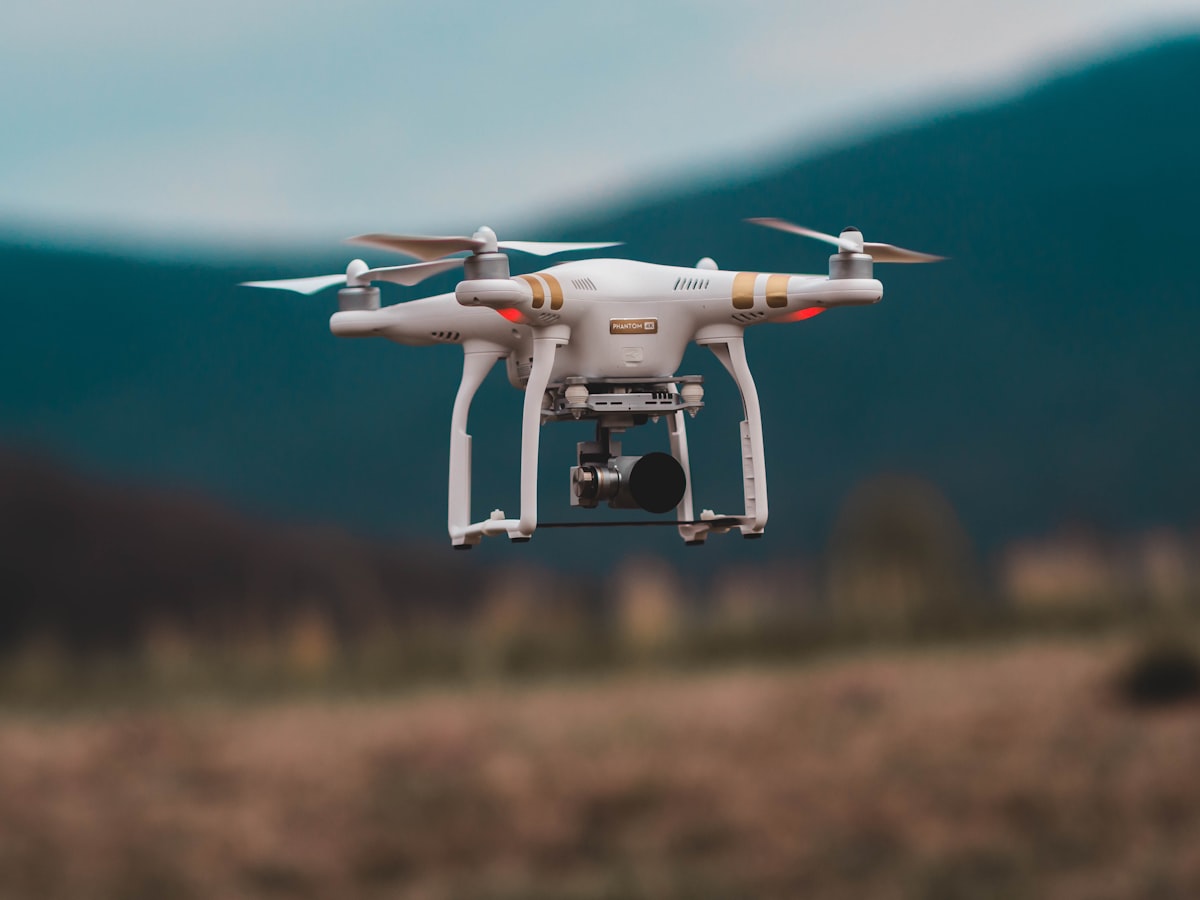
Drones earn well in real estate because aerial stills and video help properties sell and let faster, and estate agents pay for media that makes a listing stand out. Your job is to deliver clean, flattering aerial images and short video that show a property and its setting better than ground photos can.
This guide explains what property clients actually want, the rules to respect when filming homes, and how to deliver work that wins repeat bookings. It is written for pilots across EASA states as of 2026.
Why do estate agents pay for drone media?
Estate agents pay because strong aerial media attracts more interest and helps justify a price, especially for larger properties, land and homes with good surroundings. It is a marketing spend that helps them win and sell listings.
Aerial media adds value by:
- Showing the whole property, including grounds, boundaries, outbuildings and parking that ground photos miss.
- Revealing the setting, such as views, proximity to countryside, water or amenities.
- Making listings stand out, which helps agents win instructions from sellers.
- Supporting higher-value homes and land, where buyers expect a premium presentation.
The agent’s real need is winning and selling listings, so frame your service around helping them do that, not just around your flying. Media that sells is media they will keep buying.
What do property clients actually want delivered?
Clients want a small set of polished, ready-to-use images and a short video, delivered quickly and formatted for listings. They rarely want raw footage or dozens of near-identical frames.
Typical deliverables:
- A handful of strong aerial stills, well composed and correctly exposed, showing the property and setting.
- A short edited video, often under two minutes, suitable for listings and social media.
- Consistent, natural editing, avoiding over-processed or distorted results.
- Fast turnaround, since agents work to tight listing deadlines.
- Files sized and formatted for their portals and platforms.
Reliability and speed matter as much as image quality. An agent who gets clean files the next day will call you again over a slower rival with marginally better shots.
What rules apply when filming homes?
Filming residential property brings aviation rules and data protection duties together, because you are flying near people, homes and private spaces. Being legal to fly does not automatically make it lawful to film everything you can see.
Keep in mind:
- Aviation rules on distance from uninvolved people and your Open category limits, which apply regardless of the client’s wishes.
- Data protection, since footage of identifiable people or neighbouring private spaces can engage the GDPR.
- Neighbouring properties, which you should avoid filming into rather than the listed home.
- Take-off and landing permission from the property owner or agent.
- National privacy, trespass and nuisance law, which varies by country.
Confirm your Open category limits and any local restrictions with your national aviation authority (NAA), and treat neighbours’ privacy with care. If you want to keep the aviation side airtight while you focus on the media, the guides at dronexamine cover the competence and rules that apply.
How do you shoot property that sells?
Shoot in good light, keep the property well framed and level, and capture a mix of establishing and detail shots that tell the story of the home and its setting. Flattering, honest images that a buyer trusts sell better than dramatic but misleading ones.
Practical shooting tips:
- Fly in good light, often early or late in the day, and avoid harsh midday shadows.
- Capture establishing shots that place the home in its surroundings, plus closer frames of the property itself.
- Keep horizons level and the building well positioned in the frame.
- Use smooth, slow movements for video; avoid jerky or dizzying motion.
- Show genuine features, such as gardens, views and access, without distorting scale.
Consistency across a shoot matters. A set of images that look like they belong together presents better than a mix of styles, and it signals professionalism to the agent.
How do you turn one job into repeat work?
You turn one job into repeat work by delivering fast, being easy to work with, and making the agent look good to their sellers. Estate agents value reliability, so becoming their default drone pilot is worth more than any single booking.
To build repeat business:
- Deliver quickly and consistently, hitting their listing deadlines every time.
- Be simple to book and brief, with clear pricing and turnaround.
- Offer packages that suit their common property types.
- Ask for feedback and referrals to other agents in the area.
- Stay in touch so you are the name they think of for the next listing.
One reliable relationship with a busy agency can supply steady work for years. Treat every property as an audition for the next ten, not a one-off transaction.
Common questions
Do I need permission to fly over a property I am photographing? You need the owner’s or agent’s permission for take-off and landing and to conduct the shoot, plus you must respect aviation rules on people and airspace. The flight itself is governed by aviation law, but access and privacy still require care. Confirm limits with your NAA.
Can I film neighbouring houses in the background? Incidental background is often unavoidable, but you should avoid deliberately filming into neighbours’ private spaces, and be mindful of data protection. Frame the listed property, not the neighbours, and consider your national privacy rules. When in doubt, reframe or fly higher.
What drone do I need for real estate work? A capable camera drone with good stills and stabilised video is enough for most property media, and a sub-250 gram model can simplify flying near homes. Prioritise image quality and reliability over specialist sensors. Match the drone to the media clients expect.
How fast should I deliver? Agents usually want media within a day or two so they can list promptly. Fast, reliable turnaround is a strong selling point and often matters more to them than marginal quality gains. Set a turnaround you can meet every time.
Your next step
Build a small portfolio of strong property shots, confirm your Open category flying limits and any local privacy rules with your NAA, and approach two or three local estate agents with samples relevant to their listings. Deliver fast and make them look good, then ask for referrals. To keep your aviation compliance solid while you win property work, work through the guides at dronexamine.
Related articles
Making money with drones, the realistic ways that pay
A practical look at how drone pilots earn money in Europe, which services pay, what you need to start, and how to turn flying skill into paid work in 2026.
Pricing drone services and never undercharging again
How to price drone services in Europe, from covering costs to charging on value, avoiding underpricing, and setting rates that keep you profitable in 2026.
GDPR for drone footage, a working guide for the pros
How the GDPR applies to commercial drone footage in Europe, when you are a data controller, your lawful basis, and how to handle aerial data properly in 2026.