Flying drones over water safely under EASA rules
How to fly a drone over lakes, rivers and the sea safely: GPS, wind, return-to-home and rescue risks for EASA pilots, plus the rules that apply in 2026.
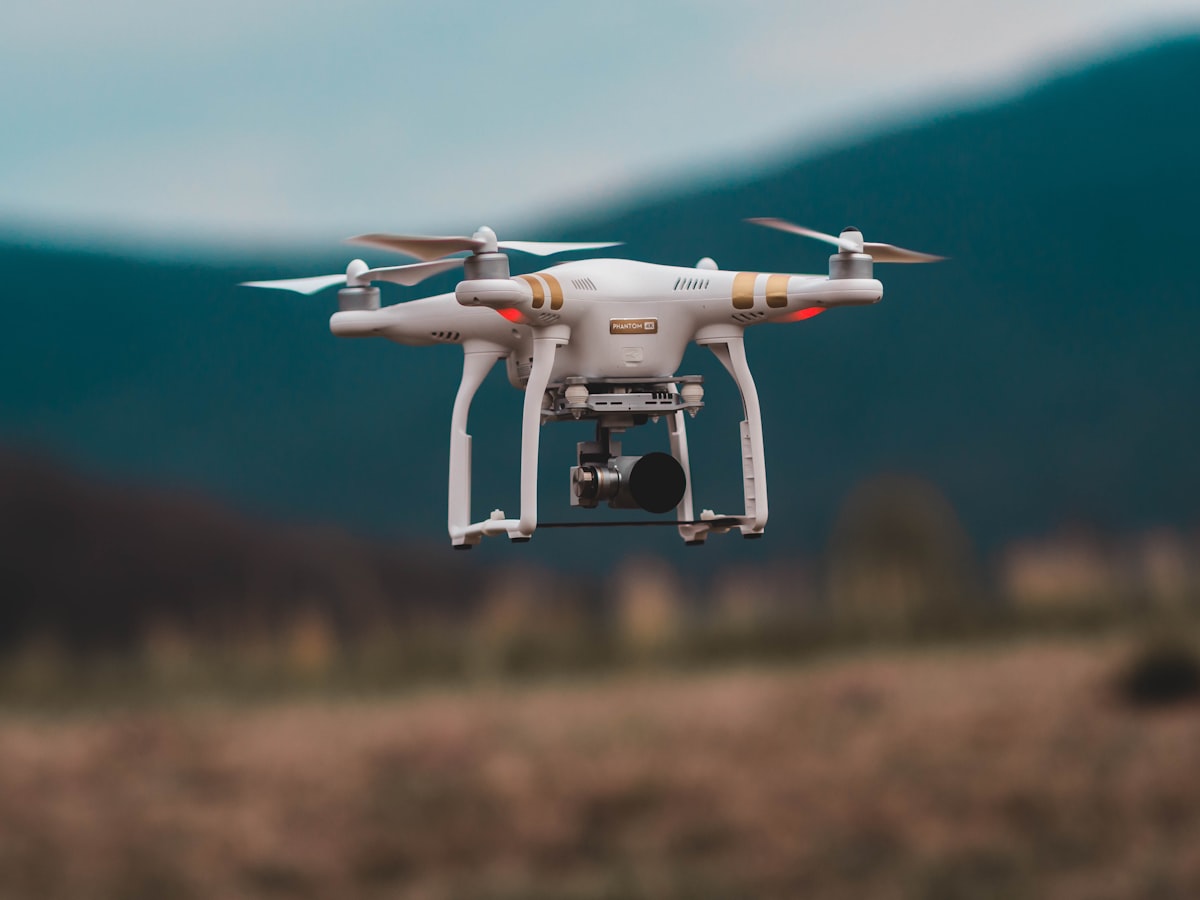
Flying over water is legal under EASA rules if you stay within your operational category, but it is one of the riskiest environments because a lost drone is usually gone for good and reflective surfaces can confuse sensors. The regulation treats water like any other terrain, so the real challenge is safety: managing GPS, wind, battery margins and return-to-home over a surface that offers no safe emergency landing.
This guide covers the practical hazards of overwater flight and how to plan a mission you can complete without losing your aircraft.
Is flying a drone over water legal under EASA rules?
Yes, provided you meet the same operational requirements that apply anywhere: the correct Open or Specific category, visual line of sight, and any geographical zone restrictions. Water itself is not a special EASA category, but coasts, harbours and inland waterways often sit inside restricted zones you must check.
Key regulatory points as of 2026:
- Your subcategory still depends on drone weight and distance from uninvolved people, including people on beaches, boats and shorelines.
- Coastal areas may lie near airports, heliports or controlled airspace and appear as geographical zones.
- Ports, dams and some rivers can be designated sensitive or restricted.
So before any overwater flight, check the national geographical zone map. The airspace over the sea near an airport can be as controlled as the land beside it.
Why is overwater flight so unforgiving?
Water offers no survivable emergency landing, so any failure that would be a scratched drone over land becomes a total loss over water. There is nowhere to set down safely, retrieval is usually impossible, and even a brief GPS or battery problem can end the flight in the water.
The core risks are:
- No emergency landing site, so a failsafe descent means ditching.
- Total loss on contact, since most drones are not waterproof and sink quickly.
- Difficult retrieval, which is often impractical or unsafe to attempt.
- Distance misjudgement, because open water removes the visual references you normally use.
Treat every overwater flight as if a forced landing means losing the aircraft, and plan your battery and range margins accordingly.
How does water affect GPS, sensors and return-to-home?
Calm, reflective water can confuse downward vision and obstacle sensors, and low flight over a featureless surface can degrade the drone’s sense of position and height. Return-to-home relies on GPS and a valid home point, so a poor lock or a home point set on a moving boat can send the drone somewhere you do not expect.
Practical effects to plan for:
- Downward vision sensors may misread a mirror-like surface, affecting hover and altitude hold.
- Height estimation can drift when the visual system lacks texture beneath the drone.
- Return-to-home flies to the recorded home point, which is a problem if you launched from a moving vessel.
- GPS quality near cliffs, structures or in coastal conditions can vary.
If you launch from a boat, understand exactly how your drone handles a moving home point before you rely on return-to-home. Getting these fundamentals right is the kind of preparation the dronexamine trainer reinforces alongside the rules.
How do you plan a safe overwater mission?
Set conservative battery reserves, respect the wind, and keep the drone close enough that you can bring it back with margin to spare. Because there is no bail-out over water, your planning has to be stricter than for equivalent flights over land.
A practical checklist:
- Check the geographical zone map and any coastal, port or airport restrictions.
- Confirm wind at altitude, not just at the surface, and remember gusts are often stronger over open water.
- Fly out into the wind so you return with it, keeping battery in hand for the trip home.
- Set a generous return-to-home battery threshold and a return altitude clear of obstacles.
- Maintain visual line of sight, which sunlight glare off water can make harder.
- If launching from a boat, understand your home-point behaviour before you fly.
Overwater flight rewards discipline. The pilots who lose drones there usually pushed range or battery margins that would have been survivable over land.
What extra rules apply near the coast and shipping?
Coastal and maritime areas can carry restrictions from airspace, ports and shipping authorities, so check beyond the standard drone map. Harbours, offshore installations and busy shipping lanes may have their own rules, and coastal airfields are common.
Points to verify:
- Airport and heliport proximity, since coastal aviation is dense in many regions.
- Port and harbour authority rules, which can restrict flights over operational areas.
- Privacy on beaches, where identifiable people may trigger data-protection duties if filmed.
- Marine wildlife protection, as disturbing seabirds or marine mammals can be an offence.
Because these overlap with EASA rules rather than replacing them, confirm each layer. When coastal rules are unclear, check with your NAA and the relevant port or harbour authority.
Common questions
Can my drone survive a brief water landing? Assume not. Most consumer and professional drones are not waterproof and will be damaged or destroyed on contact with water, often sinking before you can reach them. A few purpose-built waterproof models exist, but standard drones should be treated as lost if they ditch. Plan every flight so ditching never happens.
Is it safe to launch from a moving boat? Only if you understand the risks and your drone’s behaviour. A moving launch point complicates return-to-home, which flies to the recorded home position, not to the boat’s current location. Waves also make take-off and landing harder. If you must fly from a boat, know how your model handles a moving home point and consider catching it by hand.
Do I need permission to film over the sea near a beach? Possibly. The overwater flight may be within your category, but coastal airfields, port areas and privacy law can all apply, especially with people on the beach. Check the geographical zone map and any local coastal rules, and manage privacy if identifiable people appear. Confirm specifics with your NAA and local authority.
How much battery reserve should I keep over water? More than over land, because you cannot make an emergency landing. There is no single figure, but plan so you complete the return leg with clear margin even if wind strengthens. Fly out into the wind, watch your battery threshold closely, and turn back early rather than late.
Your next step
Before your next overwater flight, check the coastal geographical zones, confirm wind at altitude, and set a conservative battery reserve and return-to-home threshold. If you plan to launch from a boat, test how your drone handles the home point first. Work through the dronexamine safety guides to build the habit of planning margins that keep your aircraft out of the water in the first place.
Related articles
Flying a drone in wind, limits and reading conditions
How much wind is too much for a drone, how to read conditions, and safe techniques for gusty flying. Concrete wind speed guidance and forecast tips.
GPS interference and jamming, flying drones safely
How GPS jamming and interference affect drones, how to recognise it, and how to fly safely when your positioning is unreliable. Practical safety guidance.
What to do after a drone crash, a step-by-step guide
A calm, practical procedure for after a drone crash: securing the site, inspecting for damage, checking the battery and deciding when to fly again.