Filming weddings with drones, a working pilot guide
How to film weddings safely with a drone in Europe, the rules near crowds, what couples expect, and how to deliver aerial wedding footage in 2026.
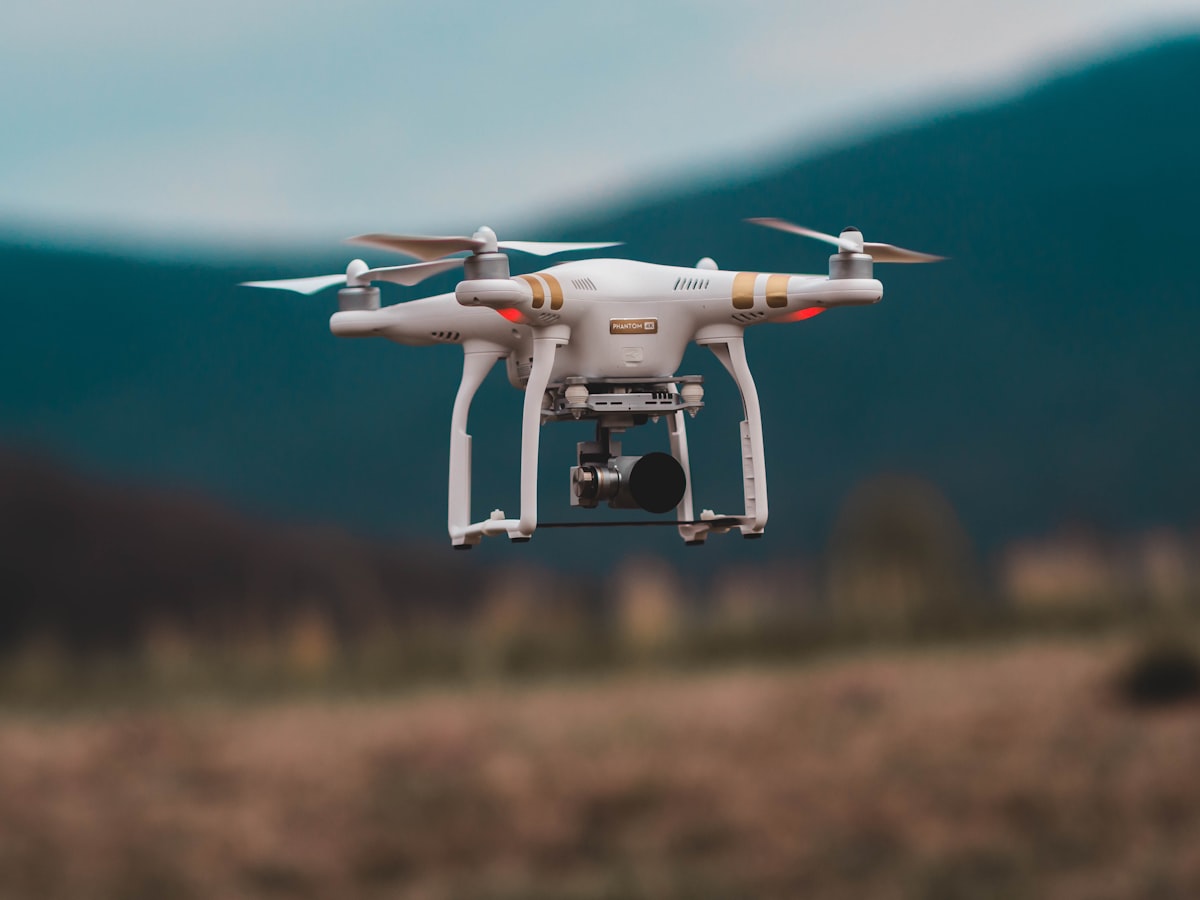
Filming weddings with a drone means capturing memorable aerial shots of the venue, the couple and the celebration while working within strict rules about flying near people. The challenge is that weddings gather crowds, and Open category rules limit how close you can fly to uninvolved people, so planning and permissions matter as much as camera work.
This guide covers what couples want, the rules that govern flying near guests, and how to deliver footage that adds to a wedding film. It is written for pilots across EASA states as of 2026.
What do couples want from wedding drone footage?
Couples want a small number of beautiful, cinematic shots that set the scene and capture the day from a perspective no ground camera can. They want the venue, the couple and the atmosphere, not endless overhead footage of the crowd.
The shots that land well:
- Establishing shots of the venue and its setting, opening the wedding film.
- The couple in the landscape, framed as a small, romantic part of a larger scene.
- Key moments like arrivals or a first dance, where the aerial angle adds drama.
- Smooth, gentle movement that feels cinematic rather than intrusive.
Aerial footage usually plays a supporting role in the final film, so quality beats quantity. A few stunning shots woven into the ground footage do more than a long aerial sequence.
How do the rules limit flying near a wedding crowd?
Open category rules limit how close you can fly to uninvolved people, which directly affects weddings because guests are gathered together. You cannot simply hover over a crowd, so you plan your shots around where and when people are.
Key constraints:
- Distance from uninvolved people depends on your subcategory and drone class, and guests are generally uninvolved people.
- Flying over assemblies of people is not permitted in the Open category, which rules out overhead crowd shots.
- Subcategory limits, such as A1, A2 or A3, and your drone’s class mark determine how close you may operate.
- Venue and airspace restrictions may apply, especially near airports or in controlled areas.
Because these limits are central to lawful wedding filming, confirm your subcategory limits and any local restrictions with your national aviation authority (NAA). If you are unsure which limits apply to your drone and competence, the guides at dronexamine explain the Open category distances clearly.
How do you plan a wedding shoot safely?
Plan a wedding shoot by scouting the venue, agreeing timings, briefing the couple and planner, and choosing moments to fly when people are not gathered beneath you. Good planning lets you get striking shots without breaking distance rules or disrupting the day.
A practical plan:
- Visit or research the venue for airspace, obstacles and take-off spots.
- Check for airspace restrictions and get any permissions needed.
- Agree flight windows with the couple and planner, avoiding crowded moments overhead.
- Plan establishing and couple shots for times when guests are dispersed or elsewhere.
- Brief guests where appropriate and have a plan for wind or weather.
Wedding days run to a tight schedule and cannot be repeated, so build in margin. Knowing exactly when and where you will fly prevents both rule breaches and awkward disruption.
How do you avoid disrupting the day?
You avoid disruption by flying at sensible moments, keeping noise and presence low, and never letting the drone become the centre of attention. A wedding is the couple’s day, and your job is to enhance it discreetly.
To stay unobtrusive:
- Fly at planned windows, not during quiet or emotional moments like vows.
- Keep distance so noise does not intrude on speeches or ceremonies.
- Launch and land away from guests, out of sight where possible.
- Have a ground camera or plan B, since weather may ground the drone.
- Coordinate with the main videographer so you complement rather than clash.
The best wedding drone work is barely noticed on the day but memorable in the final film. Discretion protects both the couple’s experience and your reputation with venues and planners.
What about privacy and consent at weddings?
Weddings involve many identifiable people, so data protection and privacy considerations apply, and you should film with the couple’s agreement and reasonable care for guests. Being contracted to film does not remove your data protection duties.
Sensible steps:
- Have the couple’s clear agreement to film, ideally in your contract.
- Focus on the couple and scene, not on filming individual guests closely.
- Be mindful of neighbouring properties and people outside the wedding.
- Store and share footage securely, and agree with the couple how it will be used.
- Respect any guest who objects, adjusting where practical.
Guests generally expect filming at a wedding, which helps, but that expectation has limits. Handling footage responsibly protects the couple, the guests and you, and it is simply good professional practice.
Common questions
Can I fly a drone over the wedding guests? Generally no. Open category rules do not permit flying over assemblies of people, and guests count as uninvolved people with distance limits. Plan shots for when people are dispersed, and confirm the exact limits for your drone and subcategory with your NAA.
Do I need permission from the venue? Yes, you should have the venue’s and couple’s permission for the shoot, take-off and landing, plus you must respect airspace rules. Venues near airports or in restricted areas may have added constraints. Check both venue permission and airspace before the day.
What if the weather grounds the drone? Weather can prevent flying safely, so agree with the couple that aerial footage depends on conditions and have a contingency. Set this expectation in your contract to avoid disappointment. Never fly in unsafe wind or rain just to get a shot.
Do I need special competence for weddings? You need competence appropriate to flying near people within your chosen subcategory, which for weddings usually means understanding the distance rules well. There is no separate wedding licence. Confirm your subcategory and its limits with your NAA.
Your next step
Confirm the distance-from-people limits for your drone and subcategory with your NAA, scout your next venue for airspace and take-off spots, and agree flight windows and permissions with the couple and planner before the day. Plan a few strong shots rather than constant flying. To be certain your Open category limits are clear before you take on wedding work, review the guides at dronexamine.
Related articles
Making money with drones, the realistic ways that pay
A practical look at how drone pilots earn money in Europe, which services pay, what you need to start, and how to turn flying skill into paid work in 2026.
Drones in real estate, how to win property media work
How drone pilots earn from real estate photography in Europe, what estate agents want, the rules that apply, and how to deliver property media in 2026.
GDPR for drone footage, a working guide for the pros
How the GDPR applies to commercial drone footage in Europe, when you are a data controller, your lawful basis, and how to handle aerial data properly in 2026.