Building a pilot portfolio that wins drone clients
How to build a drone portfolio that wins paid work in Europe, what clients look for, how to show relevant samples, and where to present your work in 2026.
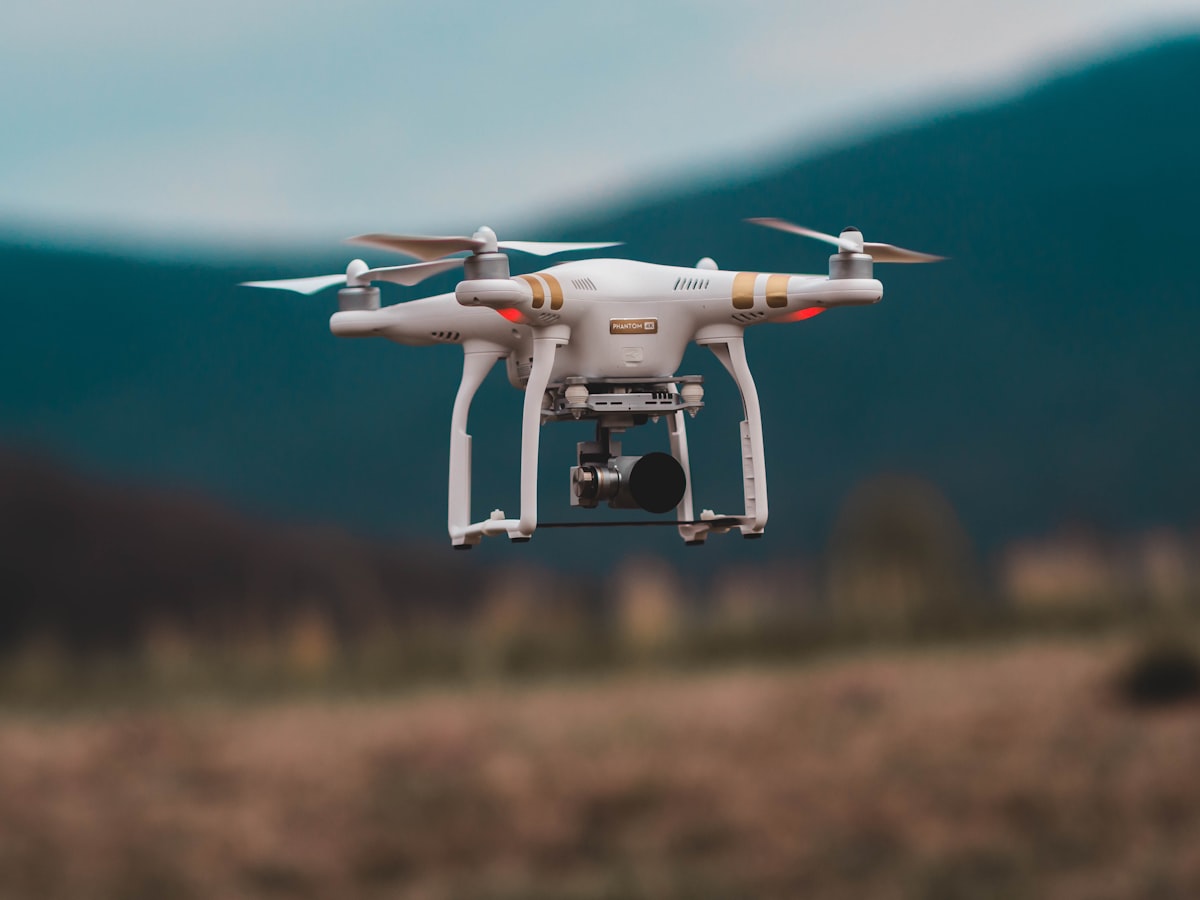
A drone portfolio is a focused set of your best, most relevant work that shows a prospective client you can deliver what they need. It matters because clients hire on evidence, not promises, and a strong portfolio is the single most persuasive tool you have when you are starting out.
This guide explains what belongs in a portfolio, how to build one when you are new, and where to present it so clients actually see it. It is written for pilots across EASA states as of 2026.
What are clients really looking for in a portfolio?
Clients look for proof that you can produce the specific result they want, delivered to a professional standard. They are not judging your whole flying career; they are asking whether you can do their job well.
What convinces a client:
- Relevance. Property clients want property shots; inspection clients want clear defect images.
- Quality. Sharp, well-exposed, well-composed work that looks professional.
- Consistency. A body of work that is reliably good, not one lucky shot.
- Real outcomes. Finished deliverables, not raw footage, showing what they will actually receive.
The best portfolio for a given client is narrow and directly relevant. A dozen excellent property images beat a hundred mixed shots when you are pitching an estate agent.
How do you build a portfolio when you have no clients yet?
You build an early portfolio by creating sample work in your chosen niche, even without a paying client, so you have relevant, high-quality examples to show. Everyone starts without clients; the answer is to make the work you want to be hired for.
Practical ways to start:
- Shoot speculative samples, such as photographing a property or landmark you have permission to capture.
- Offer a few discounted or free jobs to friends, local businesses or contacts in exchange for using the results.
- Practise your niche deliberately, building a set of shots that match paid work.
- Refine and edit your best results to a professional standard.
- Keep only your strongest work; a small excellent set beats a large mediocre one.
Do all of this within the rules, respecting airspace, distance from people and privacy. Confirm your Open category limits with your national aviation authority (NAA) so your sample work is also lawful. If you want those limits clear before you shoot, the guides at dronexamine explain them.
How should you present your work?
Present your work in a clean, simple format that loads quickly and puts your best samples first, grouped by the service you offer. Presentation should get out of the way and let the work speak.
Effective ways to present:
- A simple website or portfolio page, organised by service such as property, inspection or events.
- Your strongest work first, since first impressions decide whether a client keeps looking.
- Short, edited video rather than long raw clips.
- Clear context for each piece, noting what it is and what you delivered.
- Easy contact, so an interested client can reach you immediately.
Avoid clutter, autoplay noise and slow galleries. A client deciding whether to hire you will spend seconds, not minutes, so make those seconds count with your best, most relevant work.
Where should you show your portfolio?
Show your portfolio where your target clients already are, which usually means a direct approach with samples plus a professional presence they can check. Being findable matters, but a targeted pitch beats waiting to be discovered.
Where to present it:
- Direct outreach to local clients, sending relevant samples rather than a generic link.
- A professional website clients can check when you contact them.
- Social platforms relevant to your niche, where visual work is discovered.
- Local business networks, since much drone work comes from local relationships.
- Referrals, keeping shareable samples ready for happy clients to pass on.
Match the channel to the client. An estate agent responds to a direct email with property samples; a marketing agency may find you through visual platforms. Put the work in front of the people who buy it.
How do you keep a portfolio strong over time?
Keep a portfolio strong by regularly replacing older samples with better recent work and tailoring it to the clients you are pitching. A portfolio is a living thing, not a one-time task.
To maintain it:
- Swap in your best new work and retire weaker older pieces.
- Add samples from real paid jobs as you complete them, with client permission.
- Tailor what you show to each client’s needs rather than one fixed set.
- Gather testimonials to sit alongside your visual work.
- Keep it current, so it reflects your present skill, not where you started.
As your paid work grows, your portfolio should show real client outcomes rather than only speculative samples. Testimonials and repeat clients become as persuasive as the images themselves.
Common questions
How many samples should a portfolio have? Quality matters more than quantity. A tight set of your strongest, most relevant work, often a handful per service, is more persuasive than a large mixed gallery. Show enough to prove consistency without diluting the impression with weaker pieces.
Can I use free or discounted jobs in my portfolio? Yes, and doing a few early jobs at low or no cost is a common way to build relevant samples. Get permission to use the results, and treat them as an investment in winning paid work. Just make sure the flying itself is lawful.
Do I need a website? A simple professional website helps, but it is not the only option. Many pilots win early work through direct outreach with samples and a presence on relevant platforms. A website adds credibility clients can check, so it is worth having as you grow.
Should my portfolio show my flying or my results? It should show your results, the finished deliverables a client will actually receive. Clients care about the images and video they get, not the flying behind them. Present edited, professional outcomes rather than raw footage or technical detail.
Your next step
Choose one niche, confirm your Open category limits with your NAA, and create three to five strong, lawful sample deliverables that match the work you want to be paid for. Present them simply, then send relevant samples directly to local clients who need that service. To keep your flying lawful while you build your portfolio, review the guides at dronexamine.
Related articles
Making money with drones, the realistic ways that pay
A practical look at how drone pilots earn money in Europe, which services pay, what you need to start, and how to turn flying skill into paid work in 2026.
Drones in real estate, how to win property media work
How drone pilots earn from real estate photography in Europe, what estate agents want, the rules that apply, and how to deliver property media in 2026.
Pricing drone services and never undercharging again
How to price drone services in Europe, from covering costs to charging on value, avoiding underpricing, and setting rates that keep you profitable in 2026.