Starting a drone business, the key steps that matter
How to start a drone business in Europe, from registration and competence to insurance, pricing and your first clients, with practical steps for 2026.
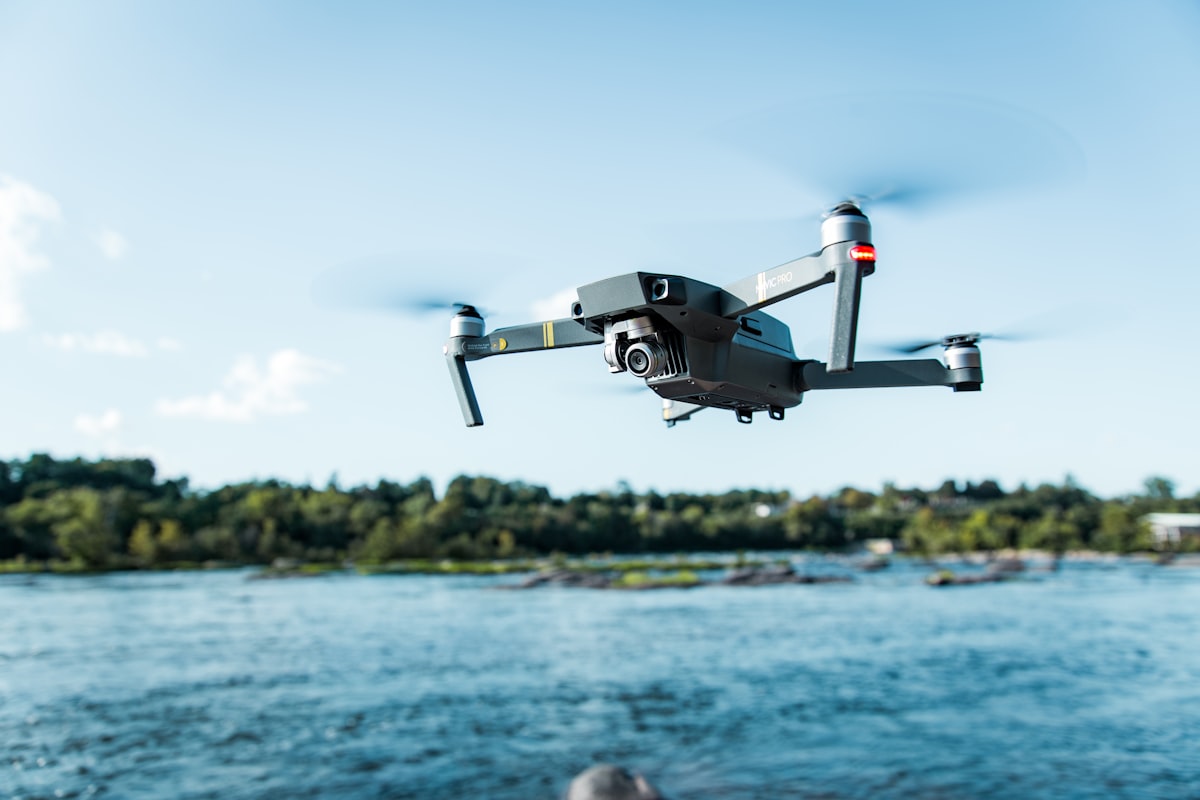
Starting a drone business means combining a legal foundation, the right aviation compliance, and a service that clients will pay for. You register your operation, meet the pilot competence and insurance rules for how you fly, choose a niche, and then win and deliver paid work.
This guide walks through the steps in a sensible order so you build on solid ground rather than scrambling to fix gaps later. It is aimed at professionals across EASA states as of 2026.
What legal and aviation basics come first?
The first steps are registering as a drone operator, meeting the pilot competence for your operation, and arranging insurance. These apply whether you trade as a sole trader or a company, and they are non-negotiable for paid work.
Cover these before your first job:
- Operator registration with your national aviation authority (NAA), with your operator ID marked on your aircraft.
- Pilot competence matching your operation, such as A1/A3 or A2 in the Open category, or the training and authorisation needed for Specific category work.
- Third-party liability insurance, which many countries and clients require for commercial operations.
- Business registration appropriate to your country, such as sole trader or limited company status, plus any tax registration.
Because requirements differ across EASA states, confirm the exact competence and any authorisation your intended work needs with your NAA. If you are unsure which certificate applies, the guides and practice questions at dronexamine help you get that right before you invest.
How do you choose what service to sell?
Choose a service that matches local demand and your own strengths, then commit to it rather than offering everything. A focused business is easier to market, price and become known for.
To narrow it down:
- Assess demand in your area: property media, inspections, mapping, or event coverage all have different local markets.
- Match your skills, whether that is photography, editing, or technical analysis.
- Consider barriers to entry. Some inspection and mapping work needs more competence or equipment, which also means less competition.
- Think about repeat revenue. Services that bring recurring clients, such as construction progress or facility inspections, build a steadier business.
You can broaden later. Starting narrow lets you build a reputation and portfolio faster than spreading thin across every possible job.
What equipment and setup do you actually need?
You need a reliable drone suited to your chosen service, a solid editing and delivery workflow, and the accessories that keep you flying safely. Buy for the work you will do, not the most expensive kit available.
A practical starting setup:
- A drone matched to your niche, prioritising camera quality for media or sensor capability for inspection and mapping.
- Spare batteries, memory cards and ND filters, so a job is not cut short.
- Editing software and storage to process and deliver files professionally.
- A pre-flight and maintenance routine to keep equipment reliable and safe.
- Basic business tools, such as invoicing, a contract template and a simple website or portfolio.
Avoid over-investing before you have clients. A capable mid-range setup plus strong delivery beats expensive gear with no work booked.
How do you get your first paying clients?
You get early clients by showing relevant samples, approaching the right local businesses directly, and delivering so well that they refer you. Cold reach plus a strong portfolio is more effective than waiting to be found.
A workable approach:
- Build three to five strong samples in your niche, even if the first are discounted.
- Identify local clients with a real need, such as estate agents, builders or event planners.
- Approach them directly with examples relevant to their work.
- Deliver early jobs excellently and ask for referrals and testimonials.
- Reinvest in better samples and quietly raise your prices as demand grows.
Referrals become your main source of work once you deliver consistently. Early effort in outreach and quality pays back through repeat and recommended business.
What business habits keep you profitable?
Profitable operators price properly, use contracts, manage costs and keep compliant. The flying skill wins the first job; the business habits keep you earning from it.
Build these in from the start:
- Price to cover costs and profit, not just to undercut rivals.
- Use a written contract setting scope, deliverables and payment terms.
- Track costs and time so you know which jobs are actually worthwhile.
- Stay compliant on registration, competence and insurance as your work grows.
- Invoice promptly and clearly, and keep records for tax.
Treating it as a real business from day one is what turns occasional paid flights into a sustainable income. Discipline off the field matters as much as skill on it.
Common questions
Do I need a limited company to run a drone business? Not necessarily. Many pilots start as sole traders, which is simpler, and form a company later if it suits their tax or liability position. The right structure depends on your country and circumstances, so take local business or tax advice.
How much does it cost to start? It varies with your niche and existing equipment. Core costs include a suitable drone, insurance, competence training, and business registration. You can start lean and reinvest, rather than buying everything upfront. Budget for compliance, not just gear.
Can I run a drone business part-time? Yes, many operators start part-time alongside other work and scale up as clients grow. Part-time is a common and sensible way to test demand before committing full-time. Keep your compliance and insurance current even for occasional paid work.
Do I need Specific category authorisation to start? Only if your work exceeds Open category limits, such as flying beyond visual line of sight or closer to people than allowed. Much commercial work fits within the Open category. Confirm which category your operations fall into with your NAA.
Your next step
Decide on one service to lead with, confirm the operator registration, competence and insurance it needs with your NAA, and register your business appropriately for your country. Then build a small portfolio and approach your first local clients. Before you commit money to equipment, use the guides at dronexamine to confirm your competence and legal footing are exactly where they need to be.
Related articles
Making money with drones, the realistic ways that pay
A practical look at how drone pilots earn money in Europe, which services pay, what you need to start, and how to turn flying skill into paid work in 2026.
Pricing drone services and never undercharging again
How to price drone services in Europe, from covering costs to charging on value, avoiding underpricing, and setting rates that keep you profitable in 2026.
Drone work contracts, what protects you and gets paid
What a drone service contract should cover in Europe, from scope and payment to weather, liability and data, so you get paid and stay protected in 2026.