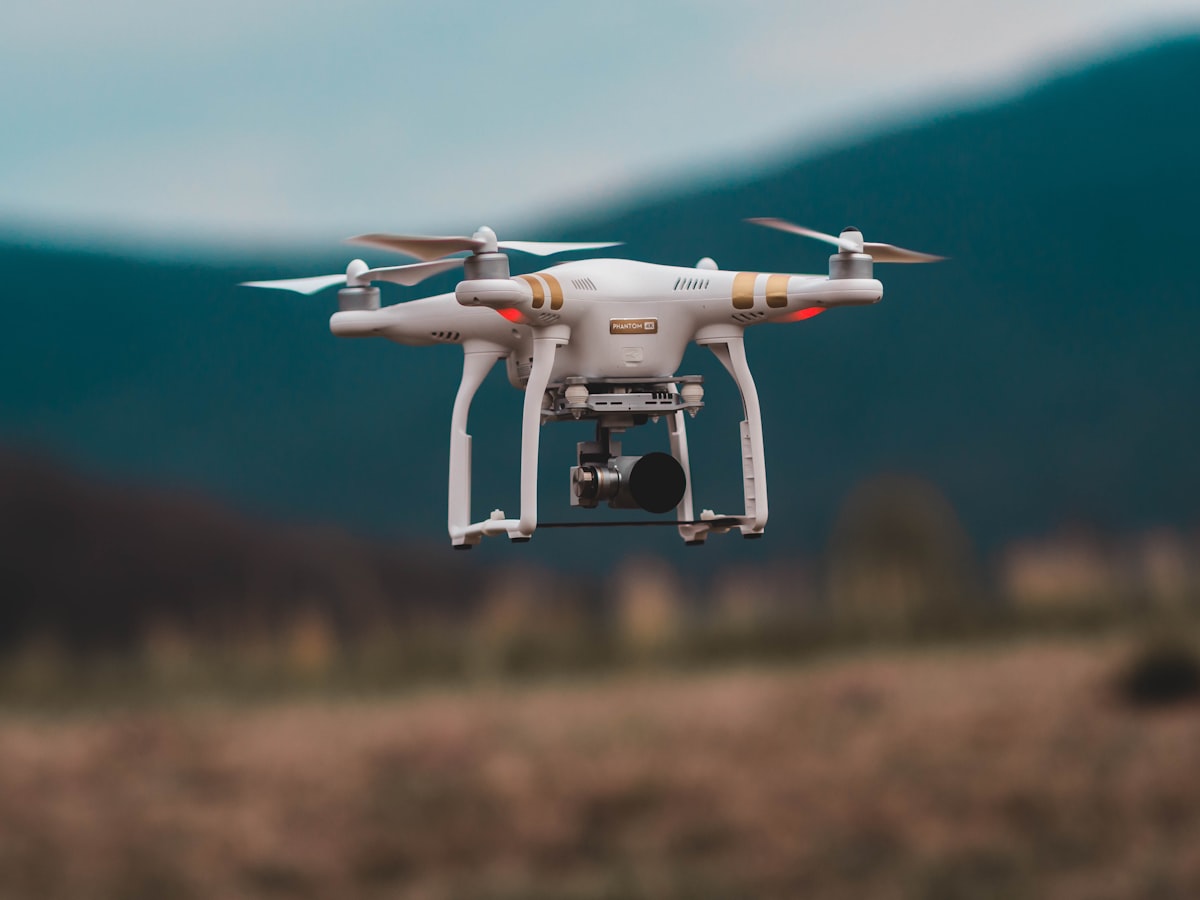
How to fly a drone legally without breaking the rules
Operator registration, pilot competency, geo-zones, the 120 m limit, distance rules, insurance and Remote ID. Seven things every drone pilot must cover.
To fly a drone legally you need seven things in place: operator registration, pilot competency matching your subcategory, a geo-zone check for the site, the 120 metre altitude limit, the correct distance from people and airports, liability insurance and working Remote ID. Miss any one of them and the flight is non-compliant, even if nothing goes wrong in the air.
This guide is the hub for the topic. Each item gets a short explanation so you know whether it applies to you, plus a link to the article that covers it in depth. Everything here is based on the EU-wide EASA framework, Regulations 2019/947 and 2019/945, as of 2026. National implementation differs, so always confirm the detail with your national aviation authority before you fly.
Do I need to register as a drone operator?
Yes, if your drone carries a camera or another sensor capable of capturing personal data, or if it weighs 250 grams or more. What gets registered is the operator, meaning the person or company responsible for the flight, not each individual aircraft.
Registration gives you an operator ID that must be displayed on every drone you own and entered into the Remote ID system. It is the simplest formal requirement and the first thing an inspection asks for. Your registration is valid across the EU, so you register in your country of residence rather than in every country you visit with the drone. The process and how to display the number are covered in our article on registering as a drone operator.
What pilot competency does my flight require?
It depends on how close to people you fly and how heavy your drone is. The Open category splits into three subcategories, A1, A2 and A3, each with different training requirements.
A1 lets you fly closest to people with C0 and C1 class drones, and an online course plus the A1/A3 exam is enough. A3 is flying far from people, at least 150 metres from residential, commercial, industrial and recreational areas, with the same certificate. A2 covers C2 class drones flown closer to uninvolved people and requires an additional, harder A2 exam taken with a recognised body. If you are unsure which one you need, our comparison of A1/A3 and A2 lays out the choice. Anything beyond the Open category, such as flying beyond visual line of sight, falls into the Specific category and needs an authorisation or a standard scenario.
How do I check geographical zones before a flight?
Check the zone in your national app every time, immediately before flying, because restrictions can be temporary and appear from one day to the next. Geographical zones are areas where flying is prohibited, restricted, or conditional on permission from whoever manages the airspace.
Typical zones cover airports, military sites, prisons, power plants, national parks and gatherings of people. Some are active only at certain hours, others switch on for an event or an emergency service operation. A site that was flyable yesterday may be closed today. Airport proximity is not a single EU-wide number, since each aerodrome has its own zone published in the national system, which is why the article on distance from airports tells you to check the zone rather than memorise a radius.
What is the maximum altitude for drone flights?
In the Open category the limit is 120 metres above the surface. This is an EU-wide figure and it is measured from the ground directly beneath the drone, not from your take-off point.
That distinction matters in hilly terrain: flying up a slope, you have to descend as the ground rises in order to stay within 120 metres of it. There is one documented exception for flying near a tall obstacle. When inspecting a structure taller than 120 metres, and with the consent of the person responsible for it, you may climb to 15 metres above that structure while staying within 50 metres of it. The full picture is in our article on maximum drone altitude.
How far must I stay from people and airports?
Distance from people depends on your subcategory. In A1 you must not fly over assemblies of people and should avoid overflying uninvolved people. In A2 you keep at least 30 metres from them, or 5 metres with the low-speed function active. In A3 you stay 150 metres from built-up areas and fly where no uninvolved person is present.
Flying over an assembly of people is prohibited in every Open category subcategory, with no exceptions. Airport distance works differently: rather than a fixed radius, each aerodrome has a defined geographical zone. Look up the specific zone in your national app and, where required, obtain permission from the airport operator or air traffic services before flying anywhere near it.
Is drone liability insurance mandatory?
Under EU Regulation 785/2004, insurance is mandatory for commercial operations and for aircraft with a take-off mass of 20 kilograms or more. Below that threshold it is up to national law, and several member states require it far more broadly than the EU baseline would suggest.
Regardless of the legal minimum, third-party liability cover is a practical necessity. A drone of a few hundred grams falling on a car or a person causes damage worth many times the annual premium. Check whether your policy covers both recreational and commercial flights, since these are usually separate products. Our article on drone liability insurance goes into the detail, and hull insurance is covered separately if you also want the aircraft itself protected.
What is Remote ID and who does it apply to?
Remote ID is a system in which the drone broadcasts its operator number, position, altitude and the pilot’s location in real time, so authorities and other airspace users can identify it. It works like an electronic number plate broadcast locally, without needing an internet connection.
The requirement applies to class C1 through C6 drones in the Open and Specific categories, which in practice means most equipment other than the lightest C0 class. You enter your operator ID into the drone yourself, usually through the manufacturer’s app, and it is your responsibility to confirm the function is active before take-off. Our article on Remote ID explains how to set it up and verify it.
Common questions
Does a sub-250 gram drone exempt me from the rules? Not entirely. A light drone with a camera still requires operator registration, geo-zone compliance, the 120 metre limit and the ban on flying over assemblies. What it removes is mainly the A2 exam and some distance restrictions.
Is a licence from one EU country valid in another? Yes. Remote pilot competency and operator registration are recognised across the EU. You still have to follow the geographical zones and national rules of the country you are actually flying in.
What are the penalties for flying without a licence? Penalties are set nationally and vary widely, from administrative fines to criminal liability where a flight endangers people or aircraft. Check the specific amounts with your national authority rather than relying on figures found online.
Does flying on my own land exempt me from the rules? No. Aviation law applies to the airspace, not to land ownership. The same zones, altitude limit and distance requirements apply over private property.
Do I need consent from people I film with a drone? Aviation law does not regulate this, but data protection law does. If you publish footage or process it professionally, GDPR obligations apply to the people identifiable in it.
Your next step
Work through the seven items in this guide and mark which ones you already have covered and which are gaps: registration, competency, zones, altitude, distances, insurance, Remote ID. Start with the gaps and read the linked article for each. Confirm the current requirements for your drone with your national aviation authority, and use the dronexamine trainer to turn the rules into exam-ready knowledge.
Want to pass your drone exam?
Learn with the interactive course, practise on EASA-aligned questions and take mock exams. Start for free.
Go to the course →Related articles
Registering as a drone operator, where to start
When you must register as an operator, where to do it and how operator differs from pilot. The first steps before you take off.
Maximum drone altitude under EASA rules explained
How high can you fly a drone in the EU? The 120 metre EASA limit, how it is measured, exceptions near obstacles, and Specific category rules for 2026.
What is Remote ID for drones and do you need it?
Remote ID explained for EASA drone pilots: what it broadcasts, which drones need it, and how it fits Regulation 2019/947. A clear, practical overview.