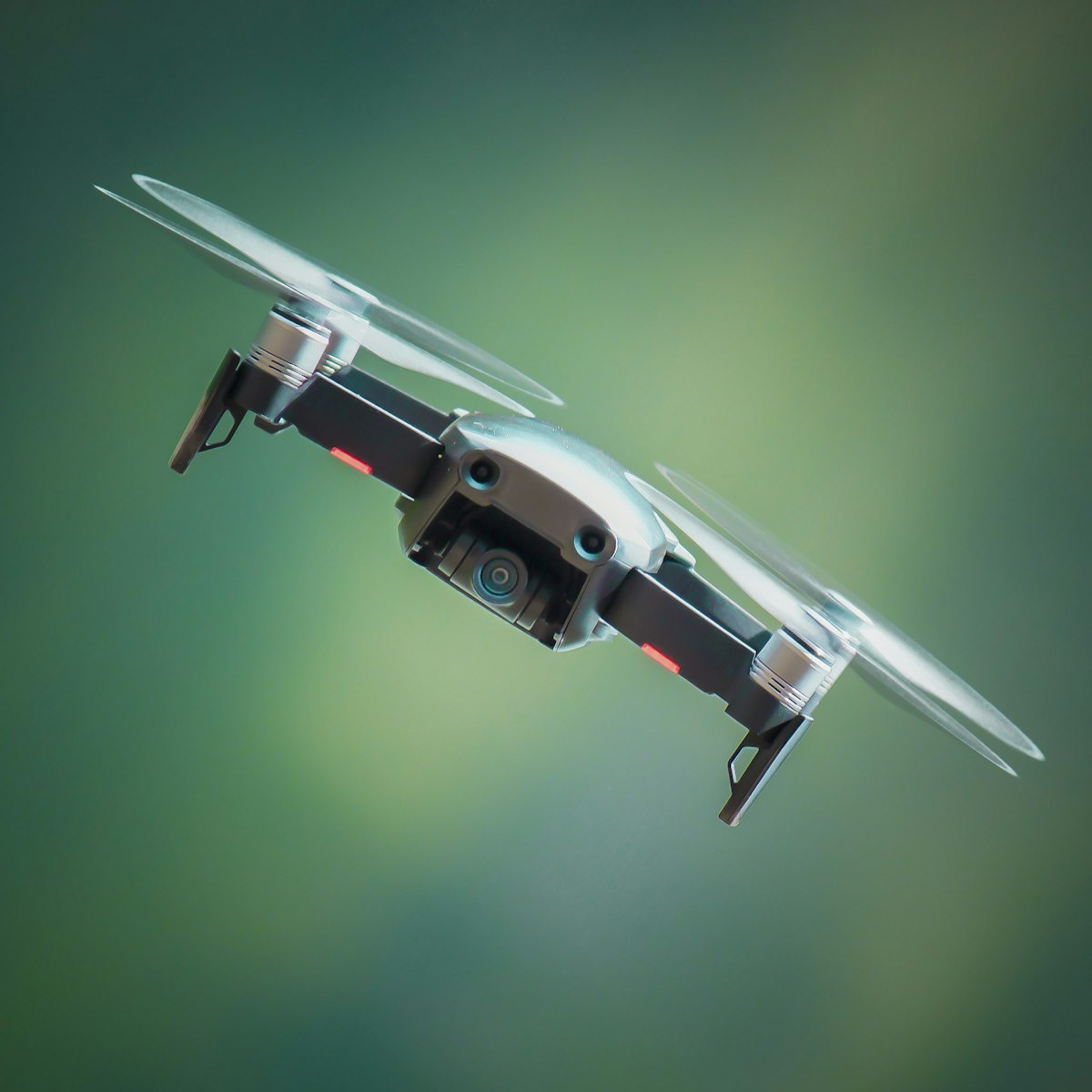
How to fly a drone safely: the practical side of flight
Wind, batteries, pre-flight checks, keeping visual line of sight, return-to-home and signal loss. What actually decides whether your drone comes back.
Flying a drone safely comes down to five habits: assess the weather before you unpack the drone, take off with a healthy, fully charged battery, run the same pre-flight checklist every time, keep the drone in unaided sight throughout the flight, and plan the return before you need it. The large majority of crashed drones are not equipment failures, they are one of these five steps skipped.
This article is about physics and pilot decisions, not regulations. If you want the legal side, we have a separate guide to flying legally. What follows is what keeps the aircraft intact and the people around you out of harm’s way.
How do you assess weather and wind before flying?
Look at gust speed rather than average wind, because gusts are what destabilise a drone. A forecast of 5 metres per second with gusts to 12 describes a completely different flight from a steady 5 metres per second.
Two things are easy to forget while standing on the ground. First, wind at 100 metres is considerably stronger than at the surface, where buildings and trees shelter you. Calm conditions at the launch site tell you nothing about conditions at working altitude. Second, wind has a direction. Flying out downwind is fast and effortless, while the return leg into wind can take three times as long and drain far more of the battery. Flying away with the wind behind you is planning a difficult trip home.
Temperature and moisture matter too. Cold sharply reduces flight time because lithium polymer cells lose capacity, and fog or high humidity condenses on the lens and sensors. Most consumer drones have no water resistance at all, so rain means the flight is cancelled, with no debate. Our article on flying in wind goes deeper into gusts and turbulence, and flying in winter covers cold weather specifically.
What should you check on the battery before take-off?
Take off with a fully charged pack, at roughly room temperature, with no sign of swelling. A swollen cell is a battery for disposal, not for flight, regardless of what percentage it still reports.
Remember that percentage is not a linear measure of remaining flight time. The last 20 percent drains faster than the first, and under load, meaning wind and aggressive manoeuvres, faster still. That is why the return reserve is calculated with margin rather than to the last percent. A sensible rule is to start heading back at around 30 percent if you are more than a few hundred metres out, and earlier in wind.
Check that the battery is fully latched into its bay. A pack that is not clicked all the way in is a classic cause of in-flight power loss: the drone flies normally until the first hard manoeuvre. Care, storage and charging practice are covered in our LiPo battery article.
Why does a pre-flight checklist work?
A checklist works because memory fails precisely when you are rushed or tired, which is exactly when accidents happen. Aviation has used checklists for decades not because pilots are incompetent, but because routine dulls attention.
The minimum list you should not shorten covers propellers, checked for chips and correctly seated, battery condition and latching, gimbal clamp removed, lens and sensors clean, memory card inserted, controller charge, a solid GPS lock before take-off, a recorded home point and a return altitude set for the terrain.
That last item is the one pilots skip most often and regret most. A default return height of 30 metres is safe over an open field and lethal in woodland or between apartment blocks. Set it so the drone clears the tallest obstacle within your flight radius. The full, expanded version lives in our pre-flight checklist article.
How do you keep the drone in visual line of sight?
VLOS means you can see the drone with unaided eyes throughout the flight, without binoculars and without relying on the screen, and can judge its position relative to its surroundings. It is not a box to tick, it is the only way you will spot an approaching helicopter or a bird going after your aircraft.
In practice the limit is your eyesight, not your radio link. A white drone against a bright sky disappears at a few hundred metres while the controller still shows full signal. If you have to search the sky for several seconds to find it, you are already too far out.
Things that genuinely help: fly with the sun behind you rather than into it, keep the position lights on even in daylight, pick a ground landmark as the furthest point you allow yourself to reach, and keep the drone against a contrasting background such as treeline rather than grey sky. If you need to watch the screen while filming, bring an observer whose only job is to watch the aircraft.
How do you plan the return and handle signal loss?
You plan the return before take-off, not when the low-battery alarm starts. Decide three things in advance: a return altitude above every obstacle in the area, the battery level at which you turn back, and an alternative landing spot in case returning to the launch point becomes impossible.
Return-to-home is convenient but not intelligent. The drone typically climbs to the set altitude, flies a straight line to the recorded home point and lands there. It does not route around obstacles outside sensor range, does not account for using more energy flying into wind, and it returns to where it took off from, even if you have since walked a few hundred metres away.
If you lose signal, stay calm and do not run around with the controller. What actually helps is raising the controller higher and pointing the broad face of the antennas at the drone, and if that fails, moving to higher ground. In most cases the drone initiates its own return after a few seconds of silence, which is exactly why a sensible return altitude set beforehand matters so much. GPS interference near masts and large metal structures can disrupt the return itself, as covered in our article on GPS interference.
What causes most drone accidents?
Statistically, preparation and decision errors dominate, not hardware failures. The recurring causes are flying with an undercharged or cold battery, a damaged or poorly seated propeller, a return altitude too low for the terrain, losing orientation once the drone faces back towards you, flying too far downwind, and trusting obstacle sensors in conditions where they do not work.
That last point deserves a sentence of its own. Vision sensors need light and texture. At dusk, over smooth water, over fresh snow, and against thin obstacles such as branches, power lines and guy wires, they are effectively blind. High-voltage lines are among the most dangerous objects for a drone precisely because they are nearly invisible to sensors and hard to see from the ground.
Then there is spatial disorientation. When the drone is flying towards you, its controls are mirrored, and the intuitive stick input makes things worse rather than better. Practising that reflex on a simulator, or high above an empty field, costs nothing and saves aircraft.
Common questions
At what wind speed should I not fly? There is no single figure, since it depends on the drone’s mass and power, but a practical rule is to stay grounded when gusts exceed half the manufacturer’s stated maximum speed. A sub-250 gram drone needs more caution than a heavier aircraft.
Will return-to-home always work? No. It needs GPS and a recorded home point, and with interference or no position lock the drone may hover or land in place instead. Always have a plan for when the automation cannot help you.
What should I do if the drone starts vibrating in flight? Land by the shortest safe route rather than continuing the flight. Vibration usually means a damaged or loose propeller, and it tends to get worse, not better.
Is it better to fly alone or with an observer? An observer clearly improves safety, especially when you want to watch the screen while filming. Flying solo means consciously limiting how long you look away from the aircraft.
Is sport mode dangerous? Not in itself, but on many drones it disables or limits obstacle sensors and lengthens the braking distance. Use it in open space, not among obstacles.
Your next step
Before your next flight, set the two things that save the most drones: a return altitude matched to the terrain and a battery threshold at which you turn back unconditionally. Then run the pre-flight checklist out loud and check the gust forecast, not just the average wind. To pair this practical side with the knowledge the exam expects, work through the material and drills in dronexamine.
Want to pass your drone exam?
Learn with the interactive course, practise on EASA-aligned questions and take mock exams. Start for free.
Go to the course →Related articles
Drone pre-flight checklist for safe, legal flights
A complete pre-flight checklist for drone pilots covering aircraft, environment, airspace and settings so every flight starts safe and legal.
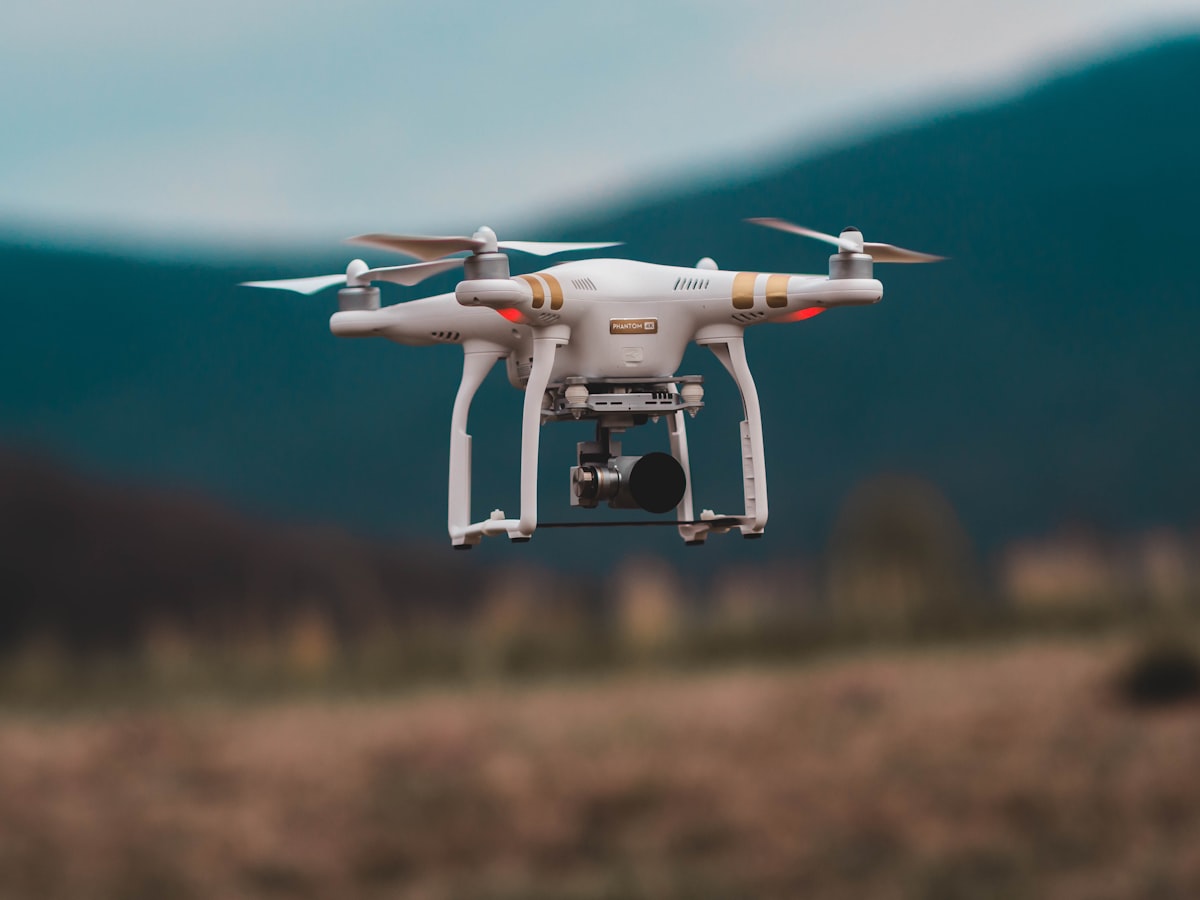
Flying a drone in wind, limits and reading conditions
How much wind is too much for a drone, how to read conditions, and safe techniques for gusty flying. Concrete wind speed guidance and forecast tips.
LiPo battery care for drones, storage and charging
How to store, charge and handle LiPo drone batteries safely. Concrete voltage numbers, storage tips and disposal advice to make packs last longer.